
This post may contain affiliate links. See my disclosure policy.
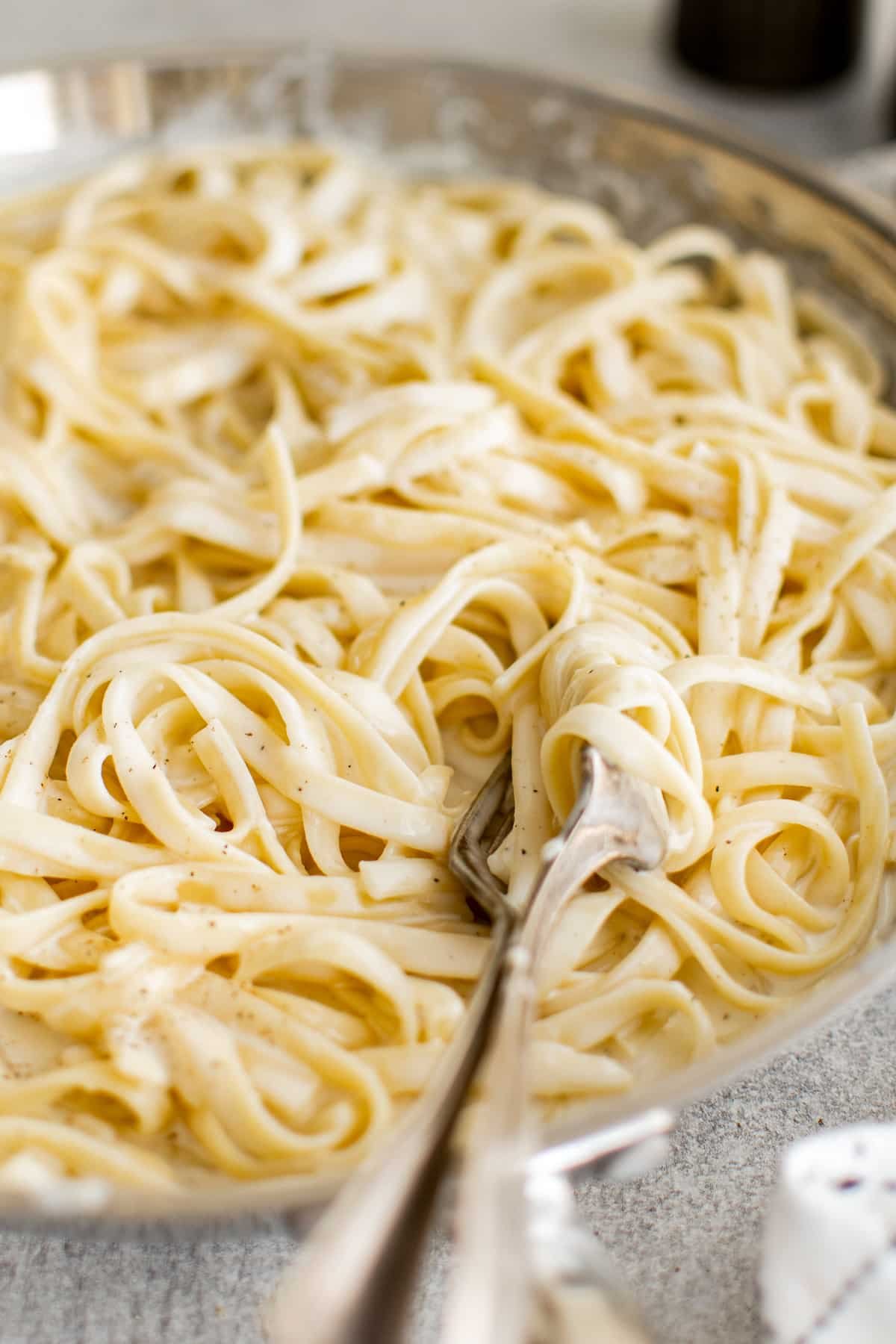
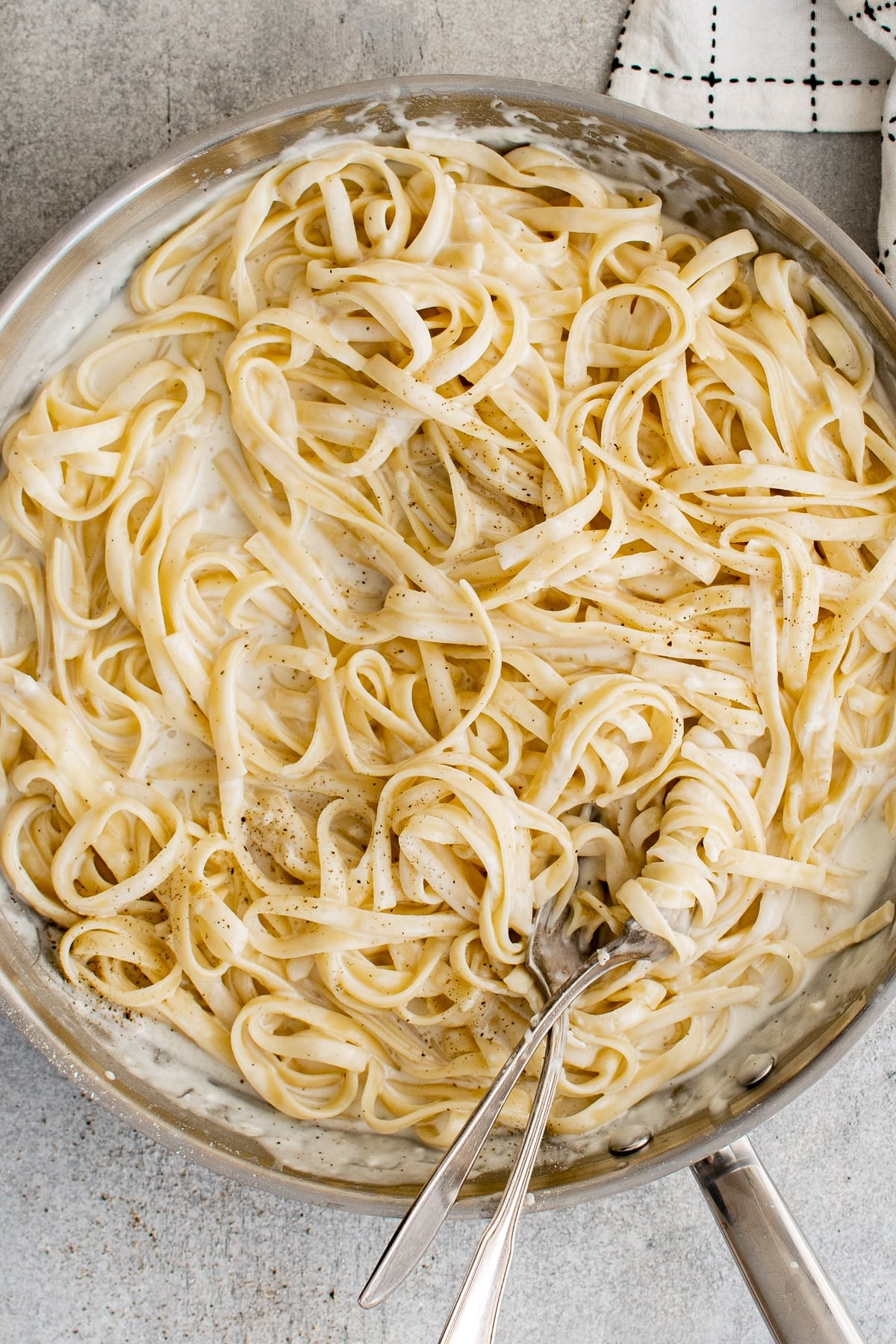
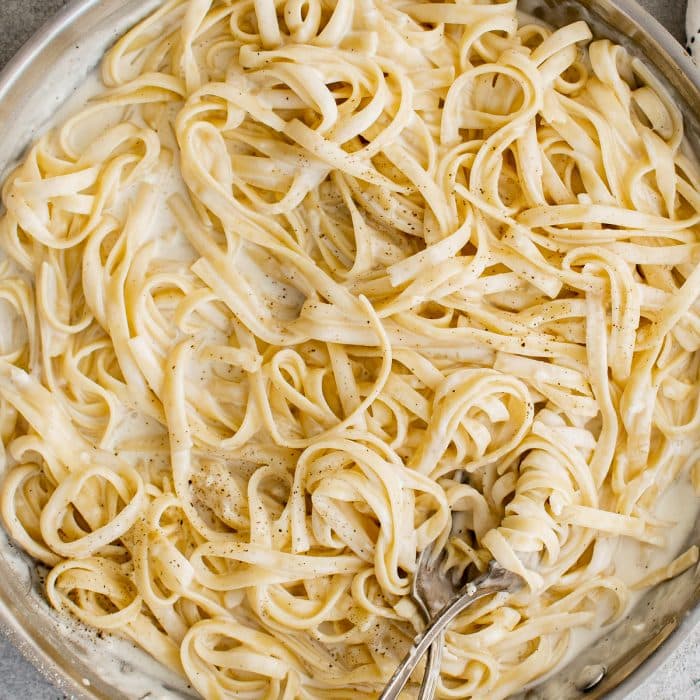
This rich and creamy Alfredo Sauce Recipe uses five simple ingredients and is ready in less than 15 minutes. It’s easy to make and perfect with your favorite pasta or vegetables. It’s hands-down the best Alfredo sauce you’ll ever make!
About This Recipe
Alfredo sauce has always been my favorite pasta sauce. It’s my go-to when I’m craving complete, luxurious comfort food. Often disappointed by restaurant Alfredo sauces, I took things into my own hands and came up with my own. Nearly identical to my mom’s Alfredo sauce recipe, this version is rich and creamy without feeling overwhelming. Plus, it’s ridiculously easy to make and only takes 15 minutes!
- Yield: This recipe makes approximately 2 cups of homemade Alfredo sauce, enough for 12-16 ounces of pasta.
- Difficulty: Making your own Alfredo sauce is SO easy!
- Freezer-Friendly: I do not recommend freezing homemade Alfredo sauce. Cream-based sauces often separate after thawing and reheating.
- My #1 Cooking Tip: Avoid boiling the sauce. High heat can cause cream-based sauces to break (separate or curdle) by forcing the fat and water to separate.
Featured Comment
“I was looking through recipes for Alfredo Sauce to go with some fresh Crayfish and I have to say this was absolutely delicious, much better than a lot of others I have cooked in fact it is the best I have cooked. Not too rich just right. This recipe will be going into my favorites folder. Thank you for posting.”
-Chris
Table of Contents
What is Alfredo Sauce?
Alfredo sauce is a rich and creamy Italian pasta dish traditionally made with fresh fettuccine noodles tossed with butter and parmesan cheese (known as fettuccine al burro in Italy). As the dish spread to the United States, ingredients like garlic and heavy cream were added, changing the recipe into the one we’re more familiar with today.
About the Ingredients
Below are notes and possible substitutions for the ingredients in this Alfredo Sauce Recipe. You can find the printable recipe with measurements in the recipe card at the bottom of this page.
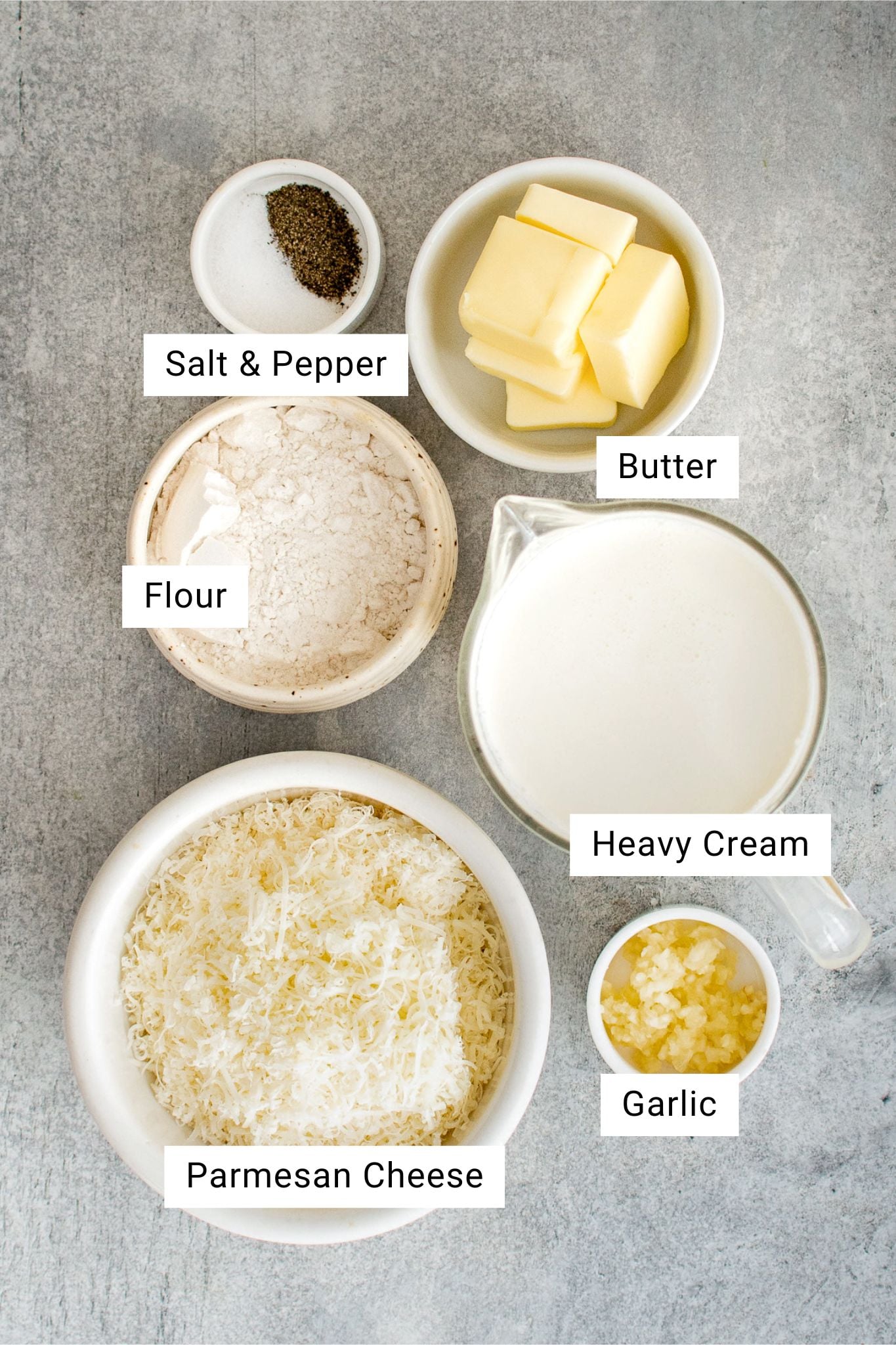
Butter: Use salted or unsalted butter. For more control over the sodium content, use unsalted butter.
Garlic (optional): Freshly minced garlic adds flavor and gives it a little more depth. Garlic powder is not recommended.
All-Purpose Flour (optional): The flour and butter cook together to create a roux, a flavorful thickening agent. If you want a thinner sauce, you can skip the flour. The sauce will naturally thicken once the pasta (or a little pasta water) is added and the sauce cools. To make this recipe gluten-free, use gluten-free all-purpose flour.
Heavy Whipping Cream: Or heavy cream. For a lighter sauce, replace heavy cream with half-and-half or make your own by mixing equal parts heavy whipping cream and whole milk. I don’t recommend using lower-fat options, as they increase the risk of the sauce separating.
Parmigiano Reggiano: Parmigiano Reggiano is the most traditional. Add a little Pecorino Romano for a strong, salty kick.
How to Make Alfredo Sauce
If you’d like the full printable recipe with the ingredients, please refer to the recipe card at the end of this post.
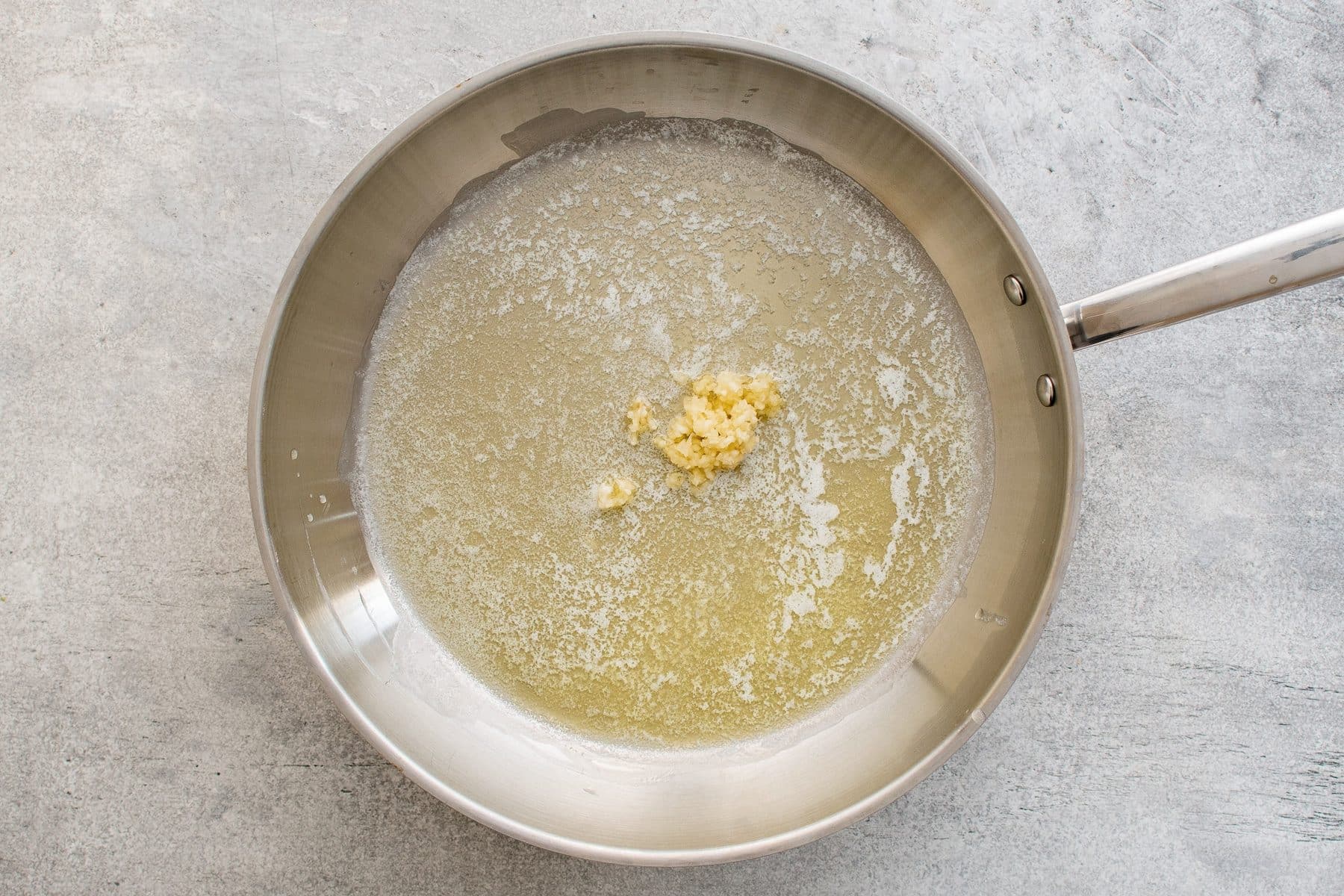
Sauté the garlic. Set a large skillet or saucepan over medium to medium-low heat. Melt the butter and add 1-3 cloves of fresh garlic or one teaspoon of garlic powder. Note: If you prefer your Alfredo sauce without garlic, omit it. Mix well and cook for about one minute or until the garlic is fragrant.
Make the roux. Sprinkle the flour into the butter. Whisk continuously until it is thoroughly combined with the butter. Cook for 2-3 minutes (still whisking) until the roux is light and golden. Reduce the heat if necessary to prevent the roux from burning.


Add the heavy cream. Whisking continuously, slowly add the heavy cream. Cook over medium to medium-low heat for about 4-5 minutes, whisking the entire time. Allow the sauce to simmer gently. Do not boil.
Add the parmesan cheese and mix well to combine.


Remove from heat. Continue to whisk until the desired thickness is reached. Season with additional salt and black pepper to taste. Note: The sauce will continue to thicken as it cools and after it is mixed with cooked pasta.
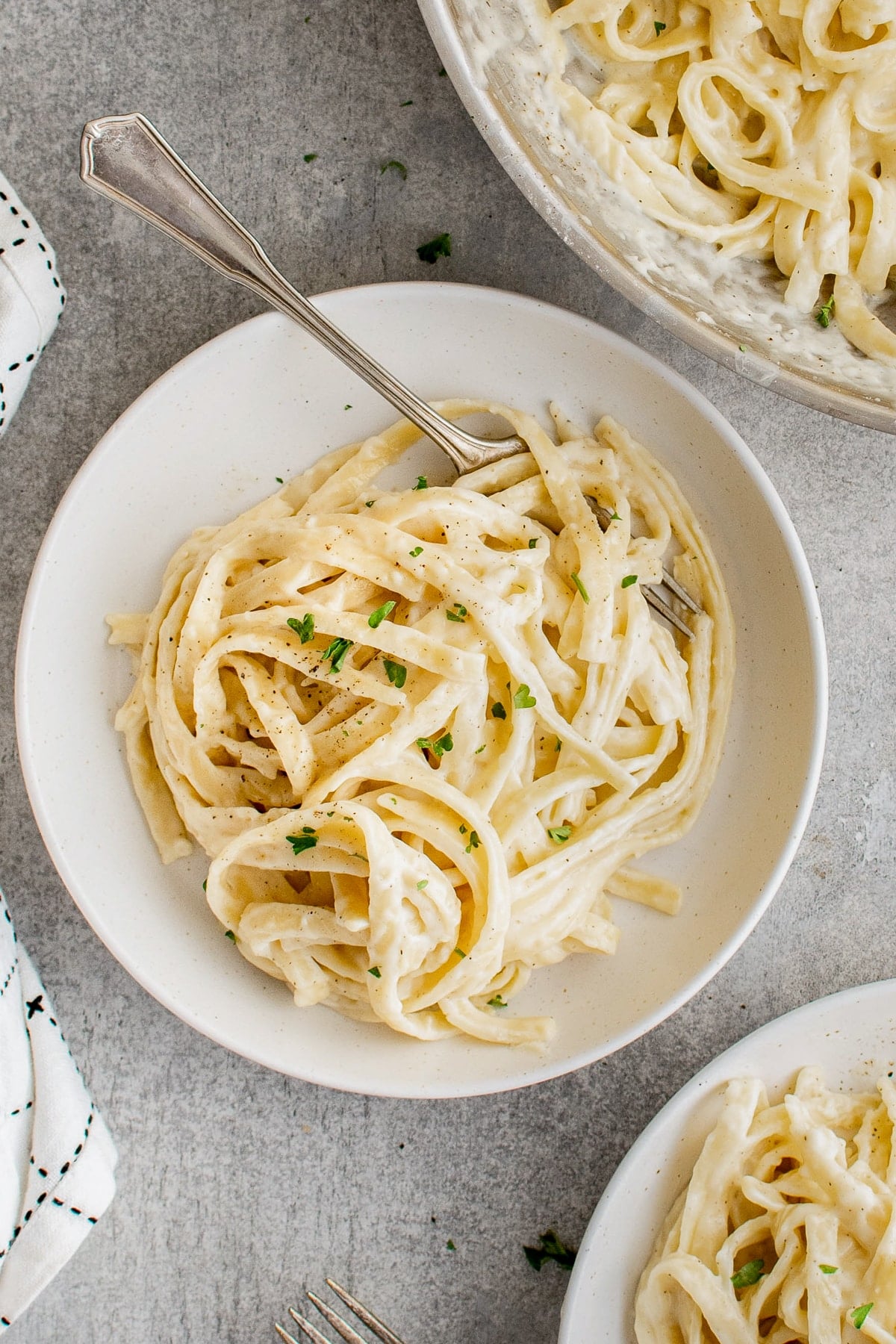
Serve immediately. Garnished with fresh parsley, crushed red pepper, and additional black pepper.
Top Tips For Making The Best Alfredo Sauce From Scratch
- Simmer, don’t boil. Keep the heat medium to low to prevent the sauce from breaking (curdling). Boiling can cause the fat and water to separate, especially with lower-fat dairy.
- Use high-quality, freshly grated Parmesan cheese. For the best texture and smooth melting, use freshly grated Parmigiano Reggiano instead of pre-shredded cheese. Pre-shredded cheese often contains additives that can make the sauce grainy.
- Control the thickness. If the sauce is too thick, add a splash of pasta cooking water to adjust the consistency. If it is too thin, let it simmer slightly longer to thicken.
- Adding flour is optional. However, it can be beneficial, especially when using lower-fat dairy like half-and-half or whole milk. For example, a flour and butter-based roux helps prevent the sauce from separating, thickens the sauce, and coats the pasta more evenly.
Frequently Asked Questions
The easiest way to get your homemade Alfredo sauce to stick is to not rinse the pasta after draining it. This will leave some starch on the pasta, helping the sauce stick.
I don’t recommend it, as the sauce will likely separate. If you’d like to give it a try, it’s best to freeze it immediately after making it. Allow the sauce to cool, then transfer it to freezer-safe ziplock bags, removing as much air as possible. Freeze for up to 3 months.
If you prefer to make your Alfredo sauce with milk, note that it will not be as creamy or flavorful. For best results, make a roux with two tablespoons of all-purpose flour, warm the milk before adding it to the roux, and stir in (at least) a few tablespoons of reserved pasta cooking water, which helps prevent the sauce from separating.
Serve this homemade Alfredo sauce with classic fettuccine pasta or tube-shaped pasta like bucatini and penne (remember to reserve a cup or two of the salted cooking water!) Keep it low-carb, and serve it with Spaghetti Squash or Zucchini Noodles. Add Baked Chicken Breasts or cooked shrimp for some protein, or toss in some peas or asparagus for some veggies.
If you love this best Alfredo sauce as much as I do, consider making my creamy Chicken Alfredo, Cajun Chicken Alfredo, Spaghetti Sauce, or yummy Shrimp Alfredo next!
Have any questions? Drop me a message in the comment section below! I’m happy to help. And, if you enjoy this recipe, please rate it with some STAR LOVIN’ so other readers know to try it too! Tag me at #theforkedspoon. I’ll be sure to share! Thank you!
Best Alfredo Sauce Recipe

Ingredients
- 4 tablespoon butter, salted or unsalted
- 1 clove garlic, minced, optional
- 1 tablespoon flour, optional, see notes
- ¼ teaspoon salt, plus more to taste
- ¼ teaspoon black pepper, plus more to taste
- 2 cups heavy whipping cream
- 1 cup parmesan cheese, freshly grated
Instructions
- Melt the butter in a large skillet set over medium to medium-low heat. Once melted, add the minced garlic and cook for approximately 1 minute or until fragrant. Note: If you prefer your Alfredo sauce without garlic, omit it.

- Add the flour, salt, and black pepper.
- Whisk continuously until a thick, golden-colored paste forms (called a "roux"). Reduce the heat if necessary to prevent the roux from burning.
- Slowly add the heavy cream, whisking continuously to prevent any clumps from forming. Continue to cook for approximately 4-5 minutes, whisking the entire time. Reduce heat if necessary to maintain a gentle simmer. Do not boil.
- Stir in the parmesan cheese then remove from heat.
- Continue to whisk off-heat for an additional minute or until thickened. Season with additional salt and black pepper to taste.

- Serve with cooked fettuccine, penne, or other favorite pasta and garnish with fresh parsley, if desired.
Video
Notes
- All-Purpose Flour (optional): Adding flour is optional. Combining a little four with the butter (called a “roux”) will help thicken the Alfredo sauce. It is especially beneficial if using lower-fat dairy like half-and-half or whole milk. To make this recipe gluten-free, use gluten-free all-purpose flour.
- Heavy Whipping Cream: Or heavy cream. For a lighter sauce, replace heavy cream with half-and-half or make your own by mixing equal parts heavy whipping cream and whole milk. I don’t recommend using lower-fat options, as they increase the risk of the sauce separating.
- Parmigiano Reggiano is most traditional. Add a little Pecorino Romano for a strong, salty kick.
- Avoid boiling the sauce. Keep the heat medium to low to prevent the sauce from breaking (curdling). Boiling can cause the fat and water to separate, especially with lower-fat dairy.
- Use freshly shredded Parmesan cheese. For the best texture and smooth melting, use freshly grated Parmesan instead of pre-shredded cheese. Pre-shredded cheese often contains additives that can make the sauce grainy.
- Control the thickness. If the sauce is too thick, add a splash of pasta cooking water or 1/4 cup or warm heavy cream to adjust the consistency. If it is too thin, let it simmer slightly longer to thicken. Remember, the sauce will continue to thicken after it is tossed with cooked pasta. This is because cooked pasta is super starchy and acts as a natural thickener.
- Tips for making Alfredo sauce with lower-fat dairy (not recommended, it won’t taste as good): For best results, make a roux with two tablespoons of all-purpose flour, warm the milk before adding it to the roux, and stir in (at least) a few tablespoons of reserved pasta cooking water, which will help prevent the sauce from separating.
- Storage: Store leftover Alfredo sauce in an airtight container or jar with a tight-fitting lid in the refrigerator for up to 4 days.
- Freezing: Not recommended.
- Reheating: To reheat leftover sauce, add it to a small saucepan with a splash of cream or leftover pasta cooking water (about 1-2 tablespoons per cup of sauce). Heat gently over low heat, stirring constantly. If the sauce looks grainy, whisk vigorously or add a small pat of butter to help emulsify it.
Explore More with AI
Nutrition
Nutrition information is automatically calculated, so should only be used as an approximation.












I see no need to have any other Alfredo recipe other than this one! It was so, so good. To make it lower carb I used arrowroot powder instead of flour; it did not make a “roux” per se but once I poured the cream in it thickened nicely. I’ll be using this Alfredo in many more recipes in the future!
Thank you so much Leah! I am thrilled that you loved the Alfredo sauce, and I appreciate you sharing how well the arrowroot powder worked once you added the cream. I love hearing that this will be your go-to Alfredo for many more recipes 🙂
Exquisite!
Thanks Ginny 🙂