
This post may contain affiliate links. See my disclosure policy.
This homemade spaghetti sauce recipe is a hearty Italian-American meat sauce made with ground beef, tomatoes, garlic, and herbs. Ready in about an hour, it makes a big batch that’s perfect for spaghetti night, meal prep, or freezing for later.
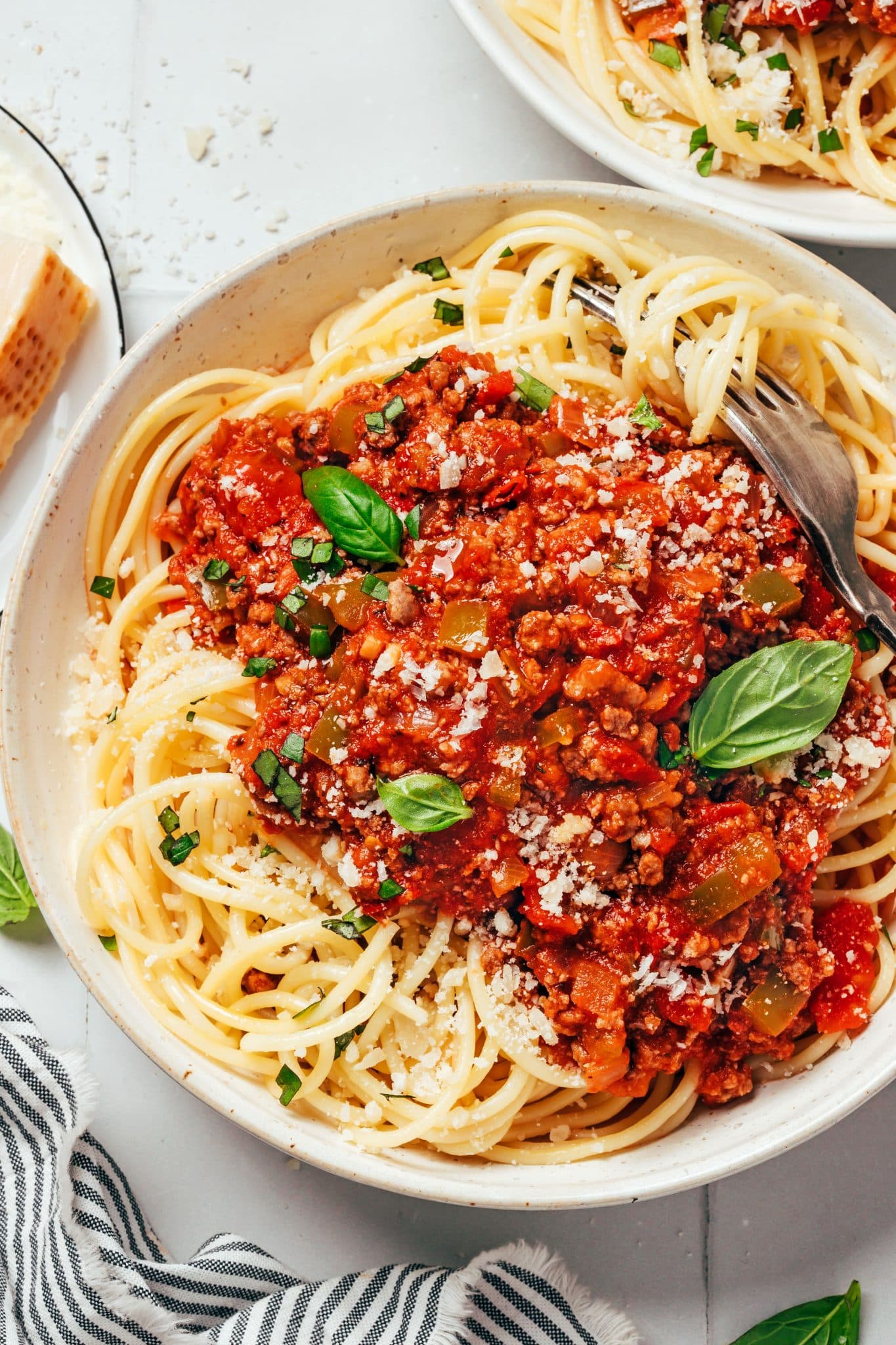
Growing up, we ate homemade spaghetti sauce almost every week. My dad loved making it, and I loved eating it. His version came from my grandmother and always included both ground beef and Italian sausage.
This recipe is my own thick, hearty everyday spaghetti sauce, packed with plenty of ground beef, a mix of diced tomatoes, crushed tomatoes, and tomato sauce, and a little Worcestershire sauce for extra savory flavor. I also add a finely diced green bell pepper—an addition I didn’t much appreciate when I was younger, but I love now—and two tablespoons of sugar to help balance the acidity of all those tomatoes. It’s quite a bit different from my Grandma’s OG spaghetti meat sauce recipe, but no less delicious.
And because this recipe makes such a generous batch, there’s almost always enough left over for another dinner. I usually serve it over spaghetti with plenty of Parmesan, but it’s just as awesome in homemade lasagna, baked pasta, or for stocking the freezer.
Quick Look: Spaghetti Sauce
- Prep and cook time: Approximately 1 hour total, including 20-30 minutes of simmering (just enough time to bring a pot of water to a boil and cook the spaghetti). Of course, you can simmer it longer for deeper flavor.
- Flavor and texture: Rich, savory, and tomato-y with plenty of ground beef and tender vegetables. The sauce is thick and hearty, with just enough sugar to balance the tomatoes without making it taste sweet.
- What makes it different: This recipe combines four tomato products: diced tomatoes for texture, crushed tomatoes and tomato sauce for the base, and tomato paste for concentrated flavor and thickness.
- My best tip: The canned tomatoes already contain plenty of liquid, so start with just 1/4 cup of added water when combining the sauce ingredients. You can always add a little more water if the sauce becomes too thick.
- Make ahead and leftovers: This recipe makes approximately 8 servings and is perfect for meal prep. Refrigerate for up to 3-4 days or freeze for up to 3 months.
- Reader favorite: Rated 4.8 out of 5 stars from more than 600 reader votes!
Table of Contents
- Quick Look: Spaghetti Sauce
- Ingredients and Substitutions
- How to Make Homemade Spaghetti Sauce
- How to Make Spaghetti Sauce Less Chunky
- Variations and Optional Additions
- What to Serve with Spaghetti Sauce
- Storage, Freezing, and Reheating
- Spaghetti Sauce Recipe FAQs
- More Comforting Pasta Dinners
- Homemade Spaghetti Sauce Recipe
“This is without a doubt the most delicious spaghetti sauce I have ever had including my grandmas, my moms, or any restaurant sauce!…”
– David, reader review
“I made this last night for dinner and my 9 year old son asked if we could have it every night for dinner!”
– Megan Bullington, reader review
Ingredients and Substitutions
This homemade spaghetti sauce uses simple, easy-to-find ingredients, but a few of them make a big difference in the finished flavor and texture. Here’s what I use, why I use it, and what you can substitute if needed.
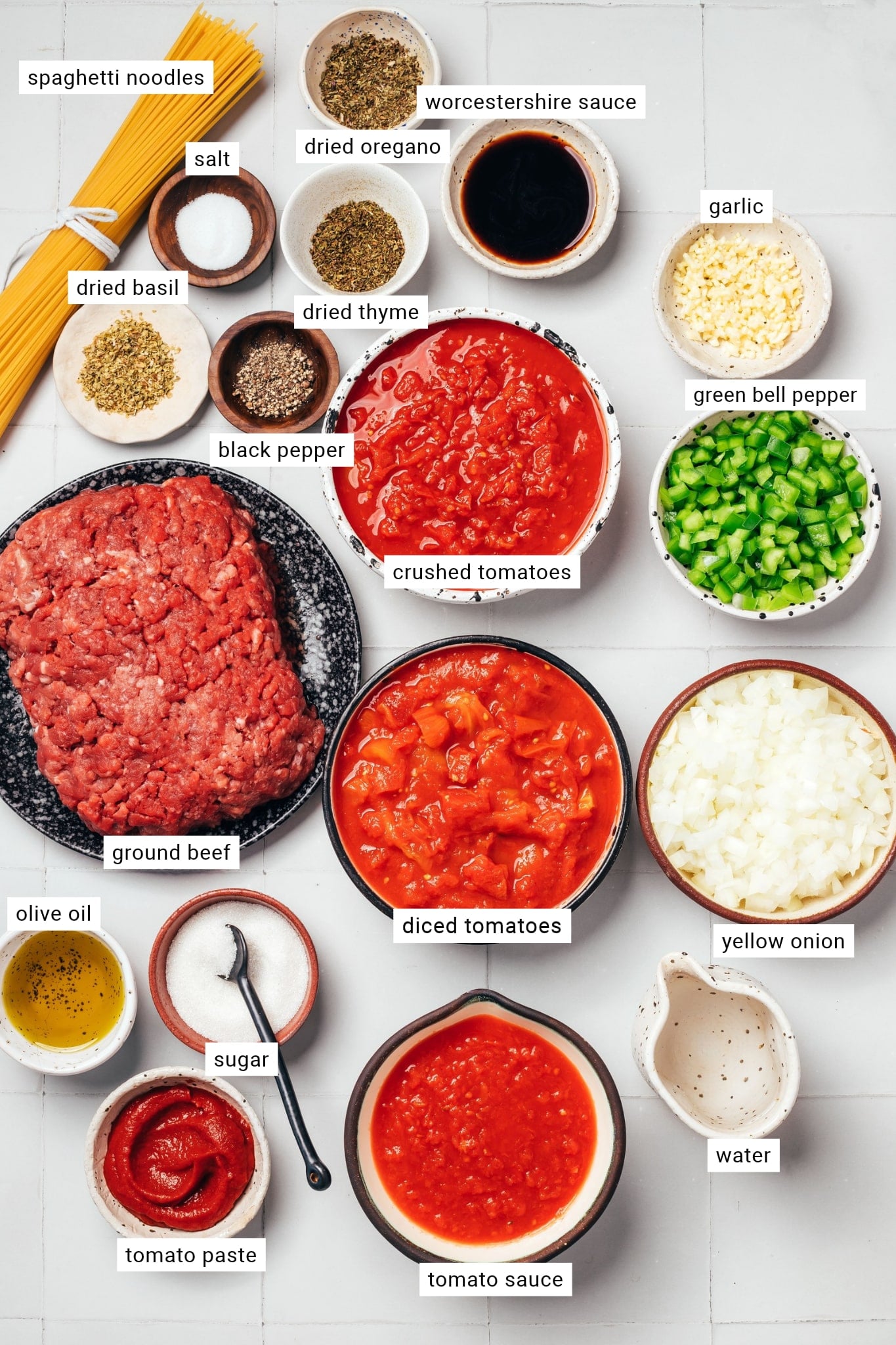
- Ground beef: I recommend 85-90% lean ground beef for a good balance of flavor and fat. If you’re using a fattier blend, drain off the excess grease after browning. Ground turkey or ground pork will also work, although the flavor won’t be quite the same.
- Yellow onions: Add flavor and a little natural sweetness as they soften. White onions work just as well.
- Green bell pepper: Finely dice the pepper so it softens and blends into the sauce rather than leaving you with big chunks. You can substitute a red bell pepper for a slightly sweeter flavor or leave it out altogether.
- Garlic: Freshly minced garlic gives the best flavor. Five cloves may sound like a lot, but this is a big batch of sauce!
- Tomato paste: Adds concentrated tomato flavor and helps thicken the sauce. I recommend cooking it briefly with the vegetables and dried herbs before adding the canned tomatoes.
- Diced tomatoes: These add little pieces of tomato throughout the sauce. Use petite diced tomatoes if you prefer a finer texture.
- Crushed tomatoes: Create the thick, rich tomato base that holds everything together. You can substitute canned whole peeled tomatoes, crushing them by hand or with a spoon before adding them.
- Tomato sauce: Smooths out the texture and brings all those chunky ingredients together. Be sure to use plain canned tomato sauce, not a jar of prepared pasta sauce.
- Dried herbs: This recipe includes dried basil, oregano, and thyme. You can substitute approximately 1 tablespoon of dried Italian seasoning, although the flavor will vary depending on the blend.
- Granulated sugar: I add 2 tablespoons to this large batch of spaghetti sauce to balance the acidity of the tomatoes and round out the flavor without making the sauce noticeably sweet. It’s the same approach I use in my homemade chili recipe. Feel free to adjust slightly to taste, but I recommend trying the recipe as written first.
- Worcestershire sauce: One of my favorite additions! It gives the sauce a deeper, more savory flavor without being overpowering. Start with 1 tablespoon and add more to taste.
- Olive oil, salt, and black pepper: Olive oil is used for browning the beef and cooking the vegetables. Season with salt and freshly ground black pepper to taste.
- Water: The canned tomatoes already contain plenty of liquid, so I only add 1/4 cup of water to start. If the sauce becomes too thick as it simmers, you can always add a little more.
- For serving: I usually serve this sauce over spaghetti with plenty of freshly grated Parmesan cheese and a little chopped parsley or fresh basil. Any pasta that holds a hearty meat sauce will work, including rigatoni, penne, and fettuccine.
How to Make Homemade Spaghetti Sauce
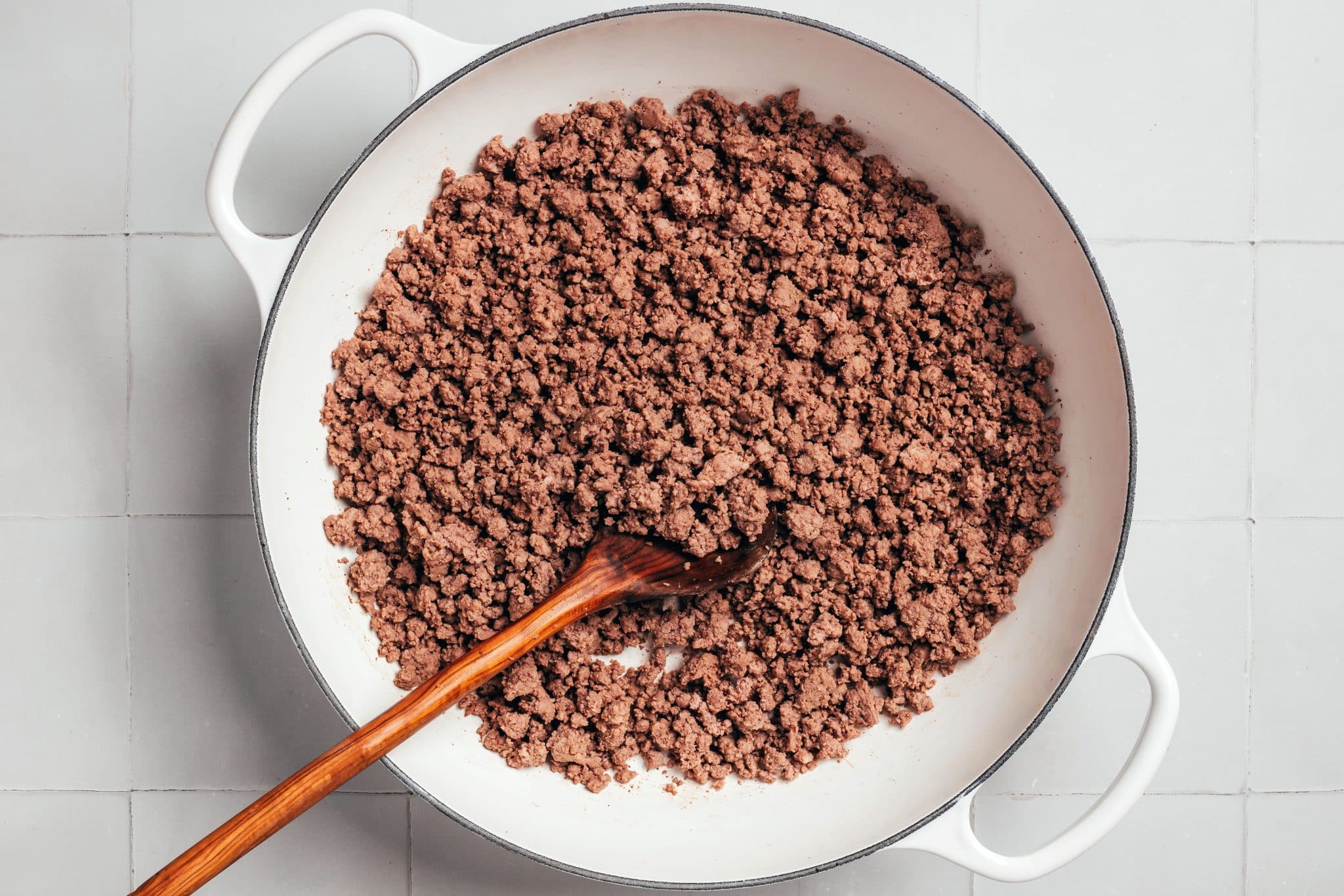
- Brown the ground beef. Heat 1 tablespoon of olive oil in a large Dutch oven or heavy-bottomed pot over medium-high heat. Add the ground beef and cook for about 8-10 minutes, breaking it into small crumbles as it browns. With two pounds of beef, you may need to work in batches to get some good browning rather than steaming the meat. Once cooked through, drain any excess grease and transfer the beef to a clean plate. Set aside.
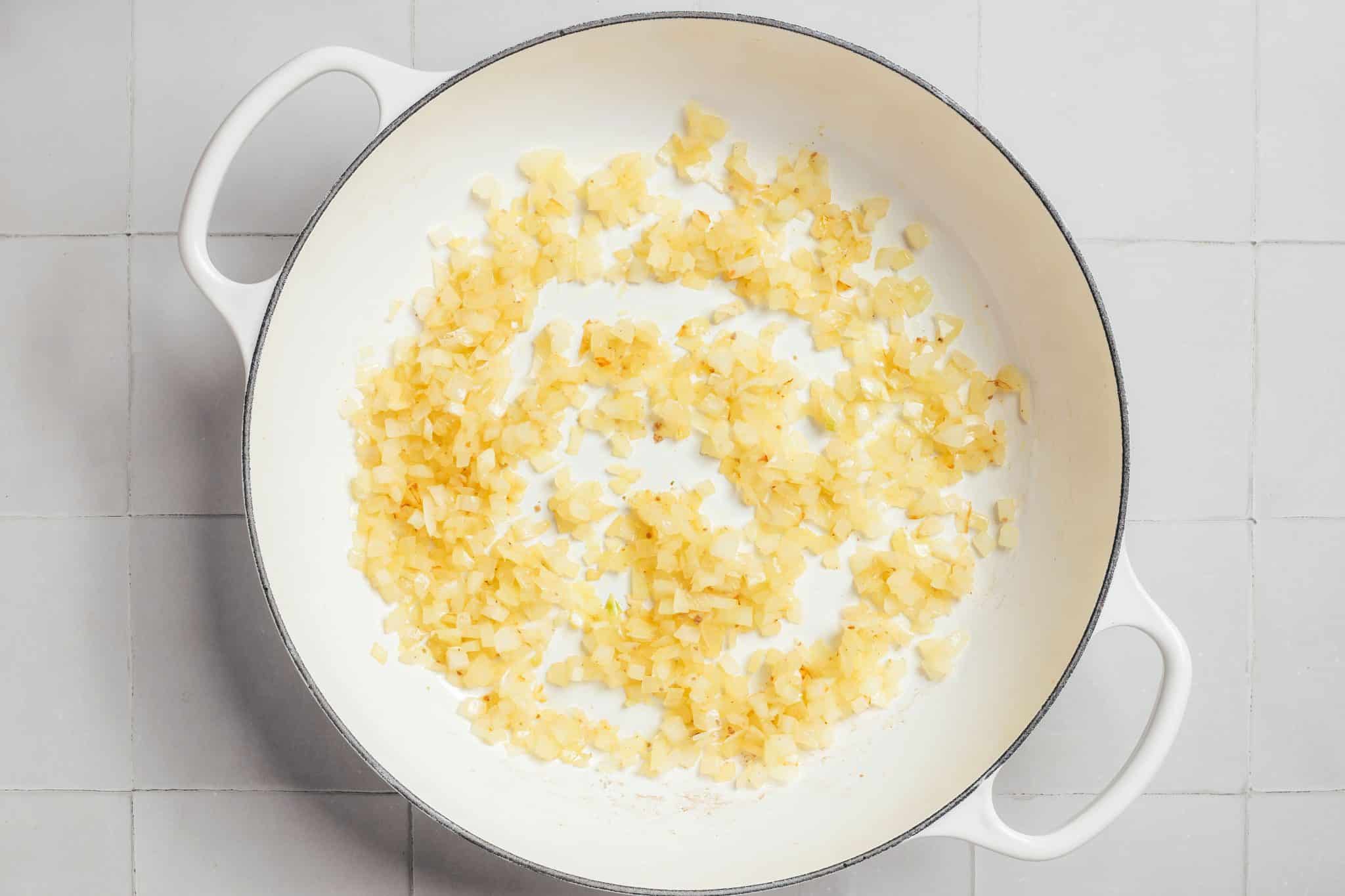
- Soften the onions. Reduce the heat to medium and add the remaining tablespoon of olive oil to the same pot. Stir in the diced onions and cook for 5-7 minutes, stirring occasionally, until they’re soft, translucent, and just starting to turn golden around the edges. This gives the onions time to mellow and develop a little natural sweetness.
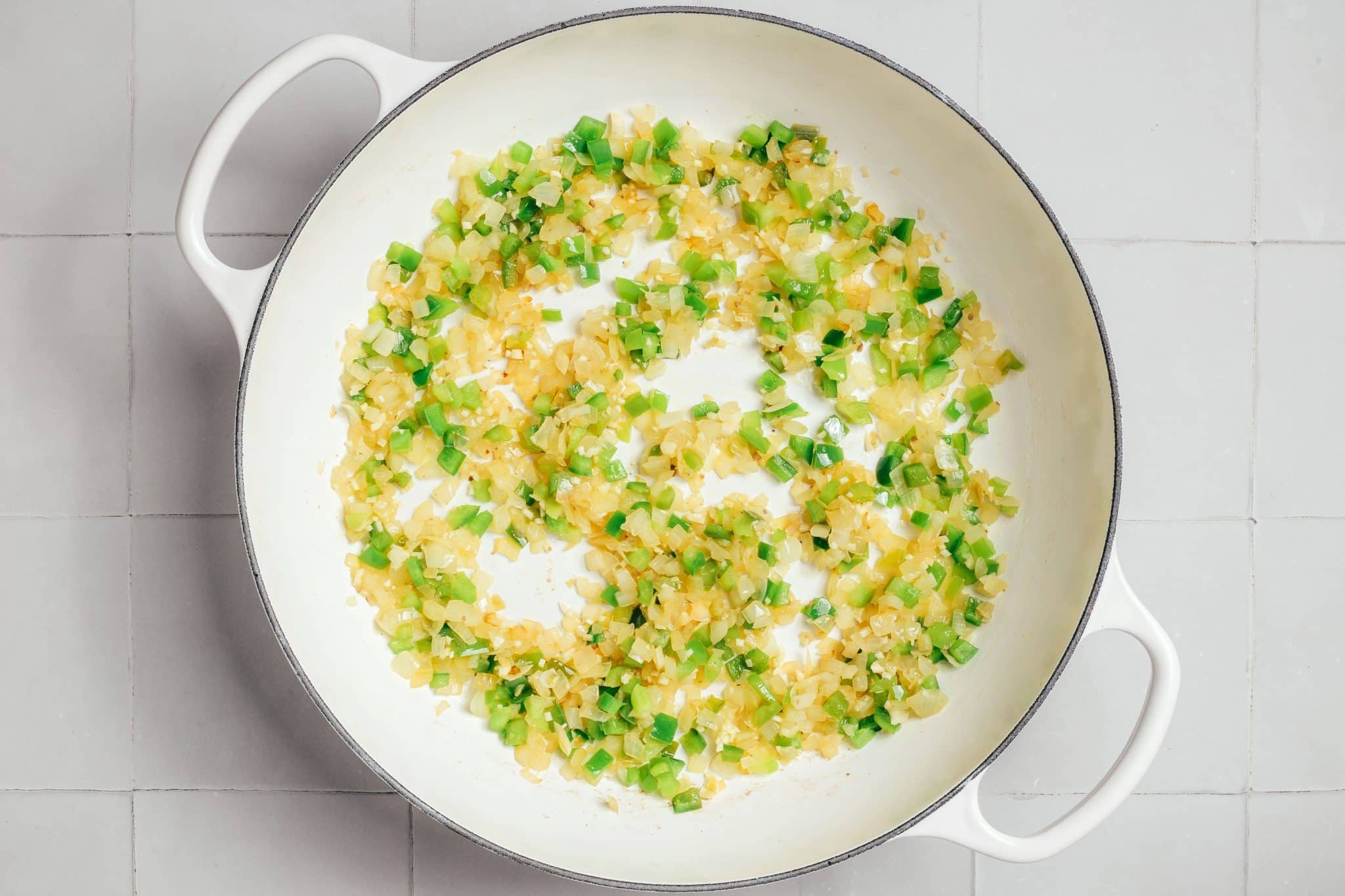
- Add the bell pepper and garlic. Add the finely diced green bell pepper and cook for another 3-4 minutes, until it begins to soften. Stir in the minced garlic and a pinch of salt, then cook for about 1 minute more. Keep stirring so the garlic doesn’t burn. The goal is for the garlic to become fragrant, not browned.
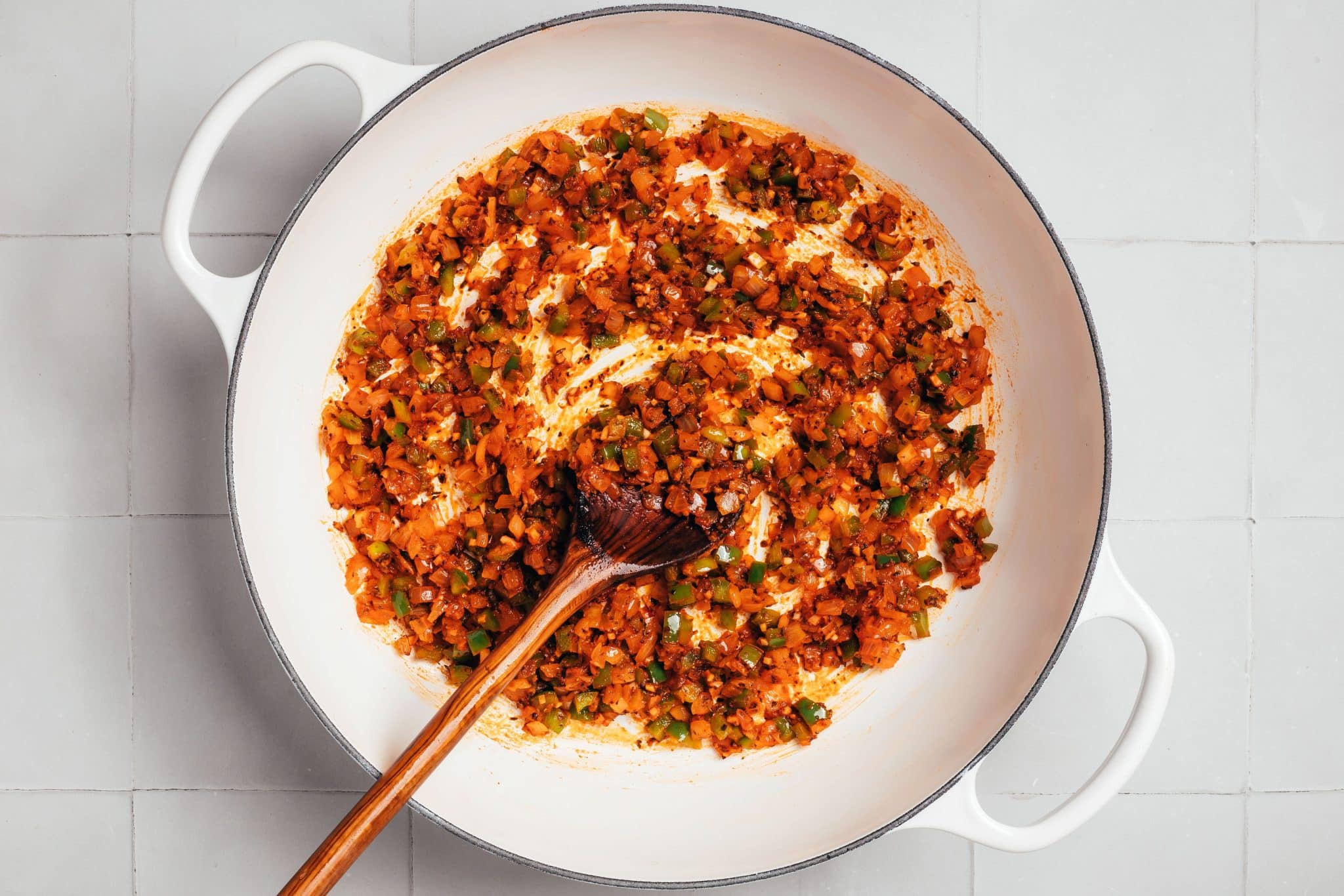
- Cook the tomato paste and seasonings. Stir in the tomato paste, dried basil, oregano, thyme, and a pinch of black pepper. Cook for 1-2 minutes, stirring frequently, until the tomato paste darkens slightly and coats the vegetables. Cooking the tomato paste before adding the canned tomatoes helps develop a richer, more concentrated tomato flavor.
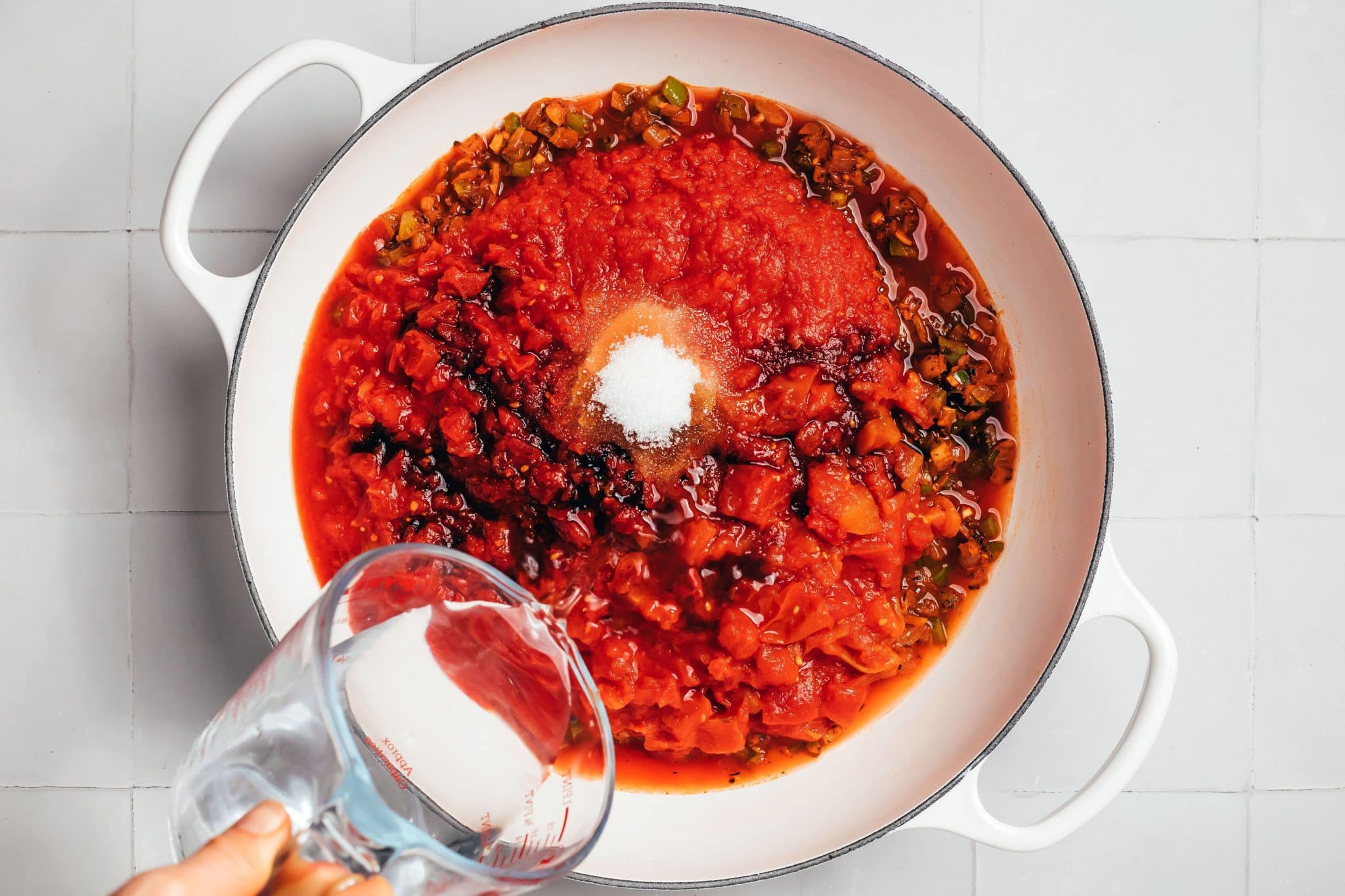
- Add the tomatoes and remaining sauce ingredients. Pour in the diced tomatoes (with their juices), crushed tomatoes, and tomato sauce. Add the sugar, Worcestershire sauce, and 1/4 cup of water, stirring everything together and scraping up any flavorful bits from the bottom of the pot. The sauce should already look fairly thick and chunky. There’s plenty of liquid in the canned tomatoes, so I prefer to start with less water and add more later only if needed.
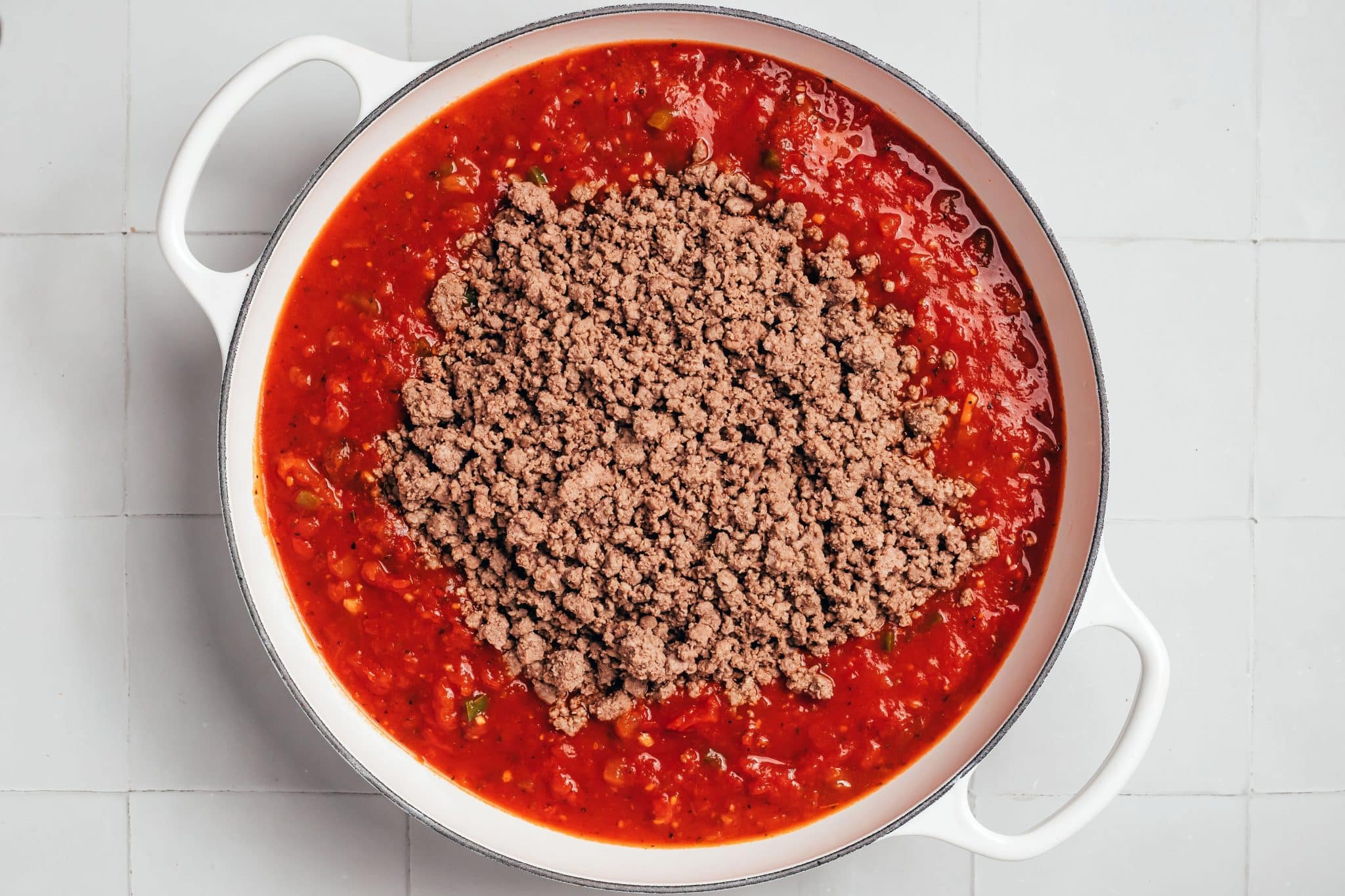
- Return the ground beef and simmer. Add the browned ground beef back to the pot and stir until it’s evenly distributed throughout the sauce. Bring everything to a gentle simmer, then reduce the heat to low and partially cover the pot. Let the sauce simmer for 20-30 minutes, stirring occasionally. If you have extra time, feel free to let it go a little longer. The flavors will continue to develop as it cooks.
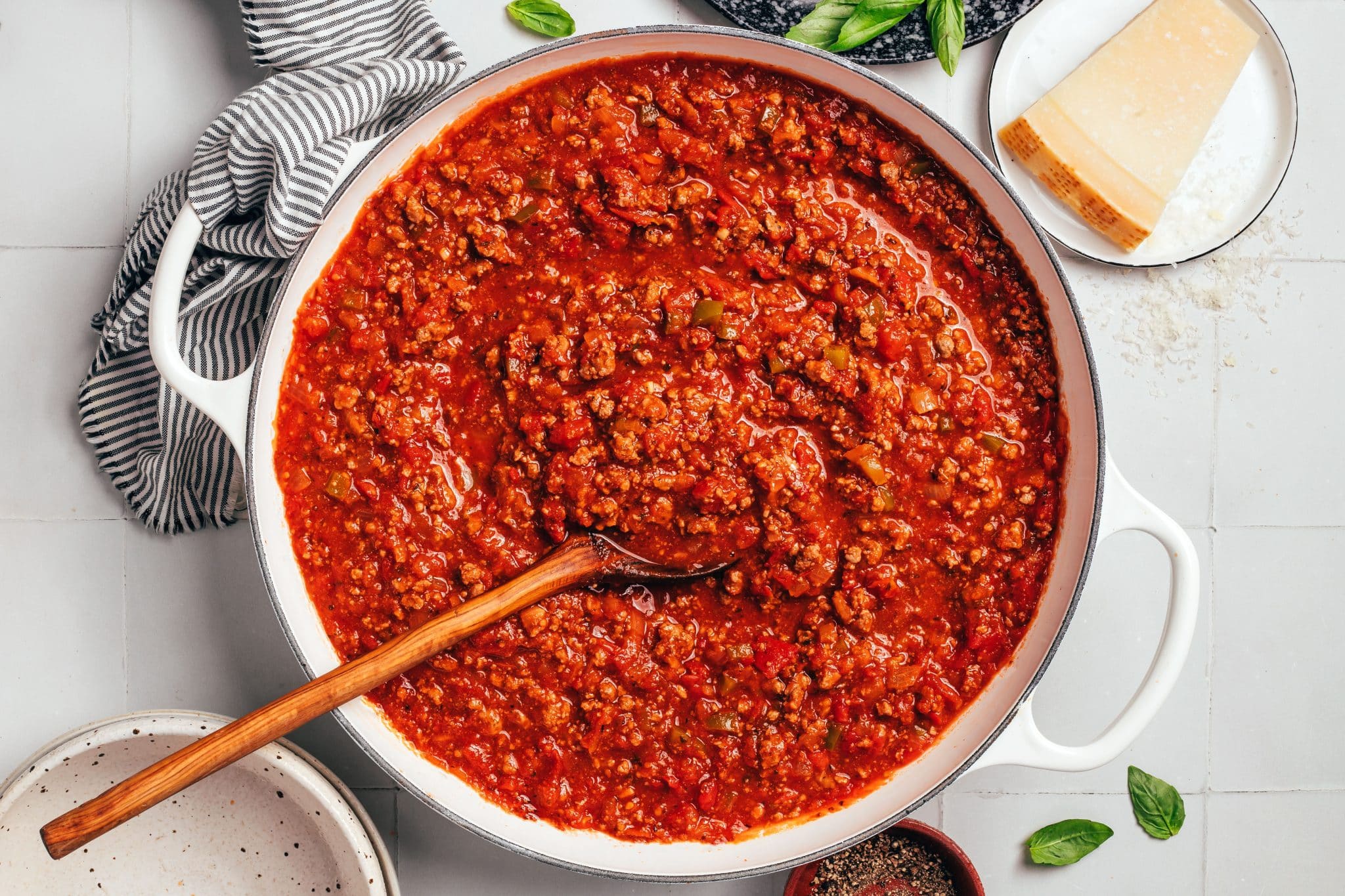
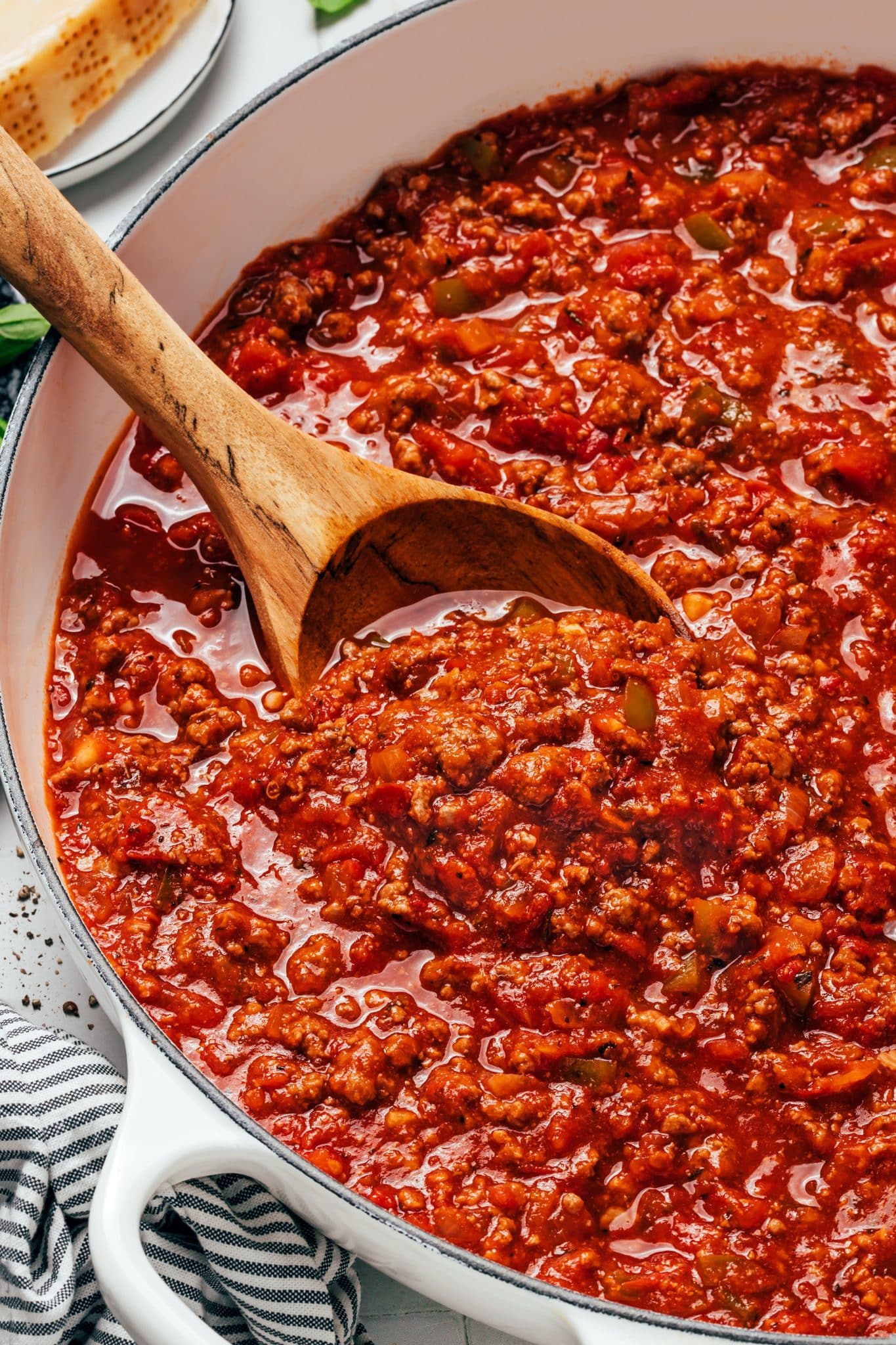
- Taste, adjust, and serve. By now, the tomatoes should have softened and the sauce should be thick, rich, and full of tender ground beef. Give it a good stir and taste, adding more salt, black pepper, or Worcestershire sauce if needed. If it’s thinner than you’d like, let it simmer uncovered for a few more minutes. If it’s too thick, stir in a splash of water.
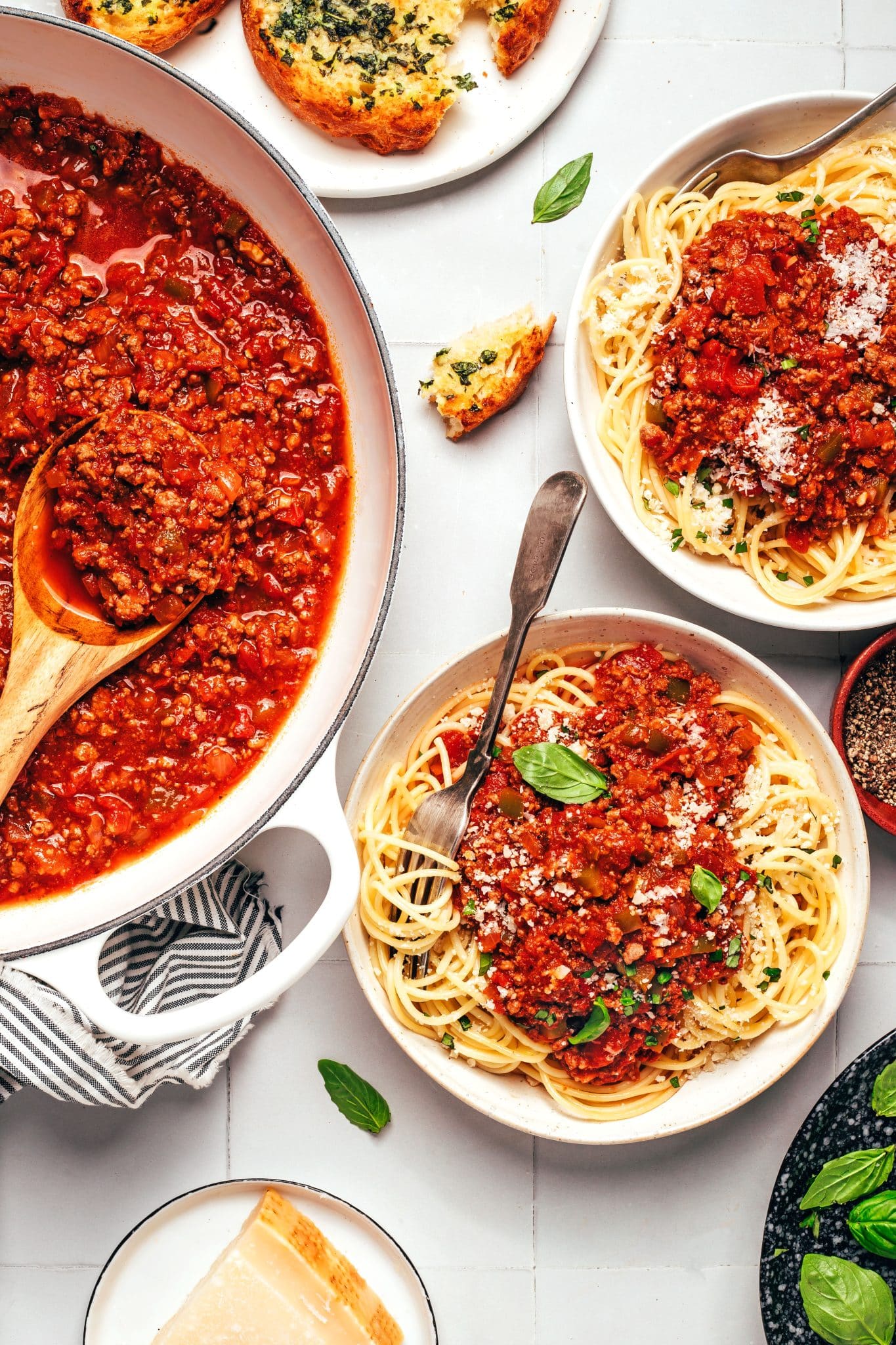
While the sauce finishes cooking, boil your spaghetti in a large pot of salted water until al dente. Serve the sauce over the cooked spaghetti with freshly grated Parmesan cheese and chopped parsley or basil. Enjoy!
How to Make Spaghetti Sauce Less Chunky
I love my spaghetti sauce thick and chunky, but if you prefer a smoother consistency, there are a few easy adjustments. Start by finely dicing the onions and bell pepper and using petite diced tomatoes instead of regular diced tomatoes. For an even smoother sauce, briefly blend the tomato and vegetable mixture with an immersion blender before returning the cooked ground beef to the pot. This keeps the meat intact while making the tomatoes and vegetables less noticeable. A few readers have also had success using pureed bell peppers or finely grated carrots to sneak in some extra vegetables.
Variations and Optional Additions
I love this spaghetti sauce exactly as written, but there’s plenty of room to make it your own. A few readers have shared some delicious additions over the years, too! Here are a few easy ways to change things up:
- Red wine: Add 1/2 cup of dry red wine after cooking the tomato paste and seasonings, but before adding the canned tomatoes. Let it simmer for a few minutes until reduced by about half. This adds another layer of richness to the sauce, much like it does in my chicken cacciatore recipe.
- Carrots: Add 1-2 finely diced or grated carrots with the onions. They’ll soften as the sauce cooks, adding a little natural sweetness and extra vegetables. A couple of readers have tried this with great results!
- Mushrooms: Add approximately 1 cup of sliced mushrooms, cooking them with the softened onions until they’ve released their moisture and started to brown. Let the excess liquid evaporate before continuing with the recipe.
- Bay leaf: Add 1-2 bay leaves with the canned tomatoes and remove them before serving. They add a subtle herbal flavor as the sauce simmers.
- Red pepper flakes: For a little heat, stir in 1/4-1/2 teaspoon crushed red pepper flakes with the dried herbs and tomato paste. Start small and add more if you like a spicier sauce. If you’re a fan of spicy tomato sauces, you’ll also love my arrabbiata sauce recipe.
What to Serve with Spaghetti Sauce
I usually keep spaghetti night pretty simple with plenty of freshly grated Parmesan cheese and a few easy sides. But this sauce is also great for making other pasta dishes, especially when you have leftovers!
- Garlic bread or breadsticks: Growing up, we always ate homemade spaghetti with garlic bread. My dad loved the premade frozen garlic bread, so he’d stock up whenever it went on sale. Breadsticks are also great, but it really is hard to beat the buttery garlicky goodness of garlic bread.
- Salad: A fresh, crunchy salad is perfect alongside a hearty bowl of spaghetti. Try my classic house salad or Caesar salad with homemade dressing.
- Stuffed shells or baked ravioli: Skip the spaghetti altogether and use this sauce in my cheesy stuffed shells or baked ravioli. Both are great ways to turn leftover spaghetti sauce into another comforting dinner.
Storage, Freezing, and Reheating
One of my favorite things about this recipe is how much sauce it makes. There’s usually enough for dinner and at least one more meal, which means less cooking later in the week. I recommend storing the sauce separately from the spaghetti so the pasta doesn’t absorb all that delicious sauce.
- Refrigerator: Transfer leftover spaghetti sauce to shallow, airtight containers and refrigerate within 2 hours of cooking. It will keep in the refrigerator for 3-4 days.
- Freezer: This sauce freezes beautifully! I like to divide leftovers into smaller, meal-sized portions rather than freezing one enormous batch. Cool the sauce promptly, then transfer it to freezer-safe containers or resealable freezer bags, leaving a little room for expansion. Freeze for up to 3 months for the best quality. Definitely freeze the sauce without the pasta, then cook fresh spaghetti when you’re ready to serve.
- Reheating: Thaw frozen sauce overnight in the refrigerator, then reheat in a saucepan over medium-low heat, stirring occasionally, until thoroughly heated to 165°F. If the sauce has thickened in the refrigerator or freezer, add a splash of water to loosen it. You can also reheat individual portions in the microwave, stirring halfway through to ensure even heating.
Spaghetti Sauce Recipe FAQs
Canned tomatoes can vary quite a bit in how much liquid they contain, which can affect the consistency of your sauce. I recommend starting with just 1/4 cup of water and adding more only if needed. If your spaghetti sauce is too thin, remove the lid and let it simmer uncovered for another 10-15 minutes, stirring occasionally. This allows excess moisture to evaporate naturally. You can also stir in another tablespoon of tomato paste for a little extra thickness.
I recommend simmering this spaghetti sauce for at least 20-30 minutes, which is enough time for the flavors to come together and the vegetables to soften. If you have extra time, letting it simmer gently for 45-60 minutes will deepen the flavor even more. Keep the pot partially covered, stirring occasionally, and remove the lid if the sauce needs to thicken. Add a splash of water if it reduces too much.
Spaghetti sauce is a broad term for sauces served with spaghetti, including both meat-based and meatless versions. This recipe is a hearty Italian-American meat sauce made with ground beef, tomatoes, onions, and green bell pepper. Marinara sauce, on the other hand, is typically a simpler, meatless tomato sauce made with tomatoes, garlic, olive oil, and herbs. Both are delicious with pasta, but marinara is usually lighter and quicker to prepare.
Absolutely! You can leave out the ground beef and make the tomato sauce as directed, starting with the onions and vegetables. Or, if you want an extra-hearty sauce, keep the ground beef and add meatballs, too! Add the browned, fully cooked frozen meatballs, homemade meatballs, or even these air fryer meatballs during the last 15-20 minutes of simmering, giving them time to heat through and soak up some of that delicious tomato sauce.
More Comforting Pasta Dinners
If you love hearty, family-friendly pasta dinners as much as I do, here are a few more favorites to try!
- Million dollar spaghetti: A hearty baked spaghetti casserole layered with rich meat sauce and a creamy cheese filling.
- Spaghetti casserole: Tender spaghetti, savory ground beef, tomato sauce, and a creamy cheese layer, all baked until golden and bubbly.
- American goulash: One of my family’s longtime favorites! Ground beef, tomatoes, and elbow macaroni cook together in one pot for an easy, comforting dinner.
- Taco spaghetti: A fun, one-pot dinner combining taco-seasoned ground beef, spaghetti, and melted cheese. Ready in just 30 minutes!
Spaghetti night was a staple in my house growing up, and I hope this homemade spaghetti sauce earns a spot in your family’s dinner rotation, too! If you give it a try, I’d love to hear how it turned out. Did you stick with the original recipe, add your own twist, or make an extra batch for the freezer? Please leave a comment and star rating below. I always love hearing about the recipes you’re making in your own kitchens! Thank you!
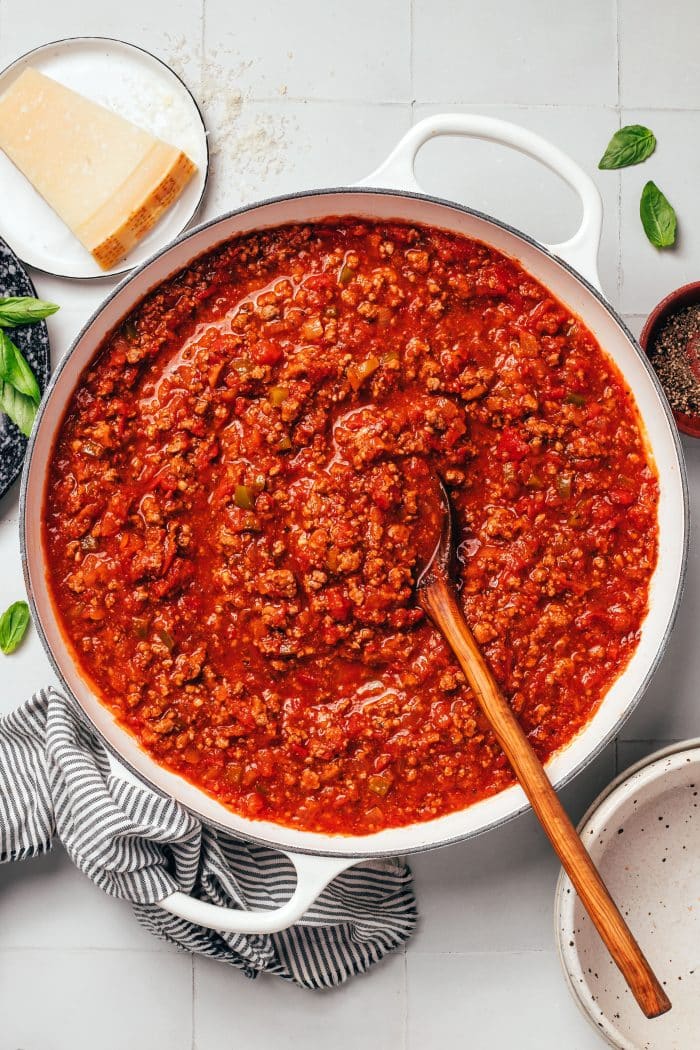
Homemade Spaghetti Sauce Recipe

Ingredients
- 2 tablespoons olive oil, divided
- 2 pounds ground beef, preferably 85-90% lean
- 2 medium yellow onions, diced
- 1 green bell pepper, stem and seeds removed, finely diced (optional)
- 5 cloves garlic, minced
- 2-3 tablespoons tomato paste
- 1 teaspoon dried basil
- 1 teaspoon dried thyme
- 1 teaspoon dried oregano
- Salt and freshly ground black pepper, to taste
- 1 (28 ounce) can diced tomatoes, with juices
- 1 (28 ounce) can crushed tomatoes
- 1 (14 ounce) can plain tomato sauce
- 2 tablespoons granulated sugar
- 1 tablespoon Worcestershire sauce, plus more to taste
- ¼ cup water, plus more as needed
- 1 pound dry spaghetti, for serving
- Freshly grated Parmesan cheese, for serving, optional
- Chopped fresh parsley or basil, for serving, optional
Instructions
- Brown the ground beef: Heat 1 tablespoon of olive oil in a large Dutch oven or heavy-bottomed pot over medium-high heat. Add the ground beef and cook for approximately 8-10 minutes, breaking it into small crumbles with a wooden spoon or spatula, until browned and cooked through. Brown in batches if necessary to prevent overcrowding. Drain excess grease if needed, then transfer the beef to a clean plate and set aside.
- Sauté the onions: Reduce the heat to medium and add the remaining tablespoon of olive oil to the same pot. Add the diced onions and cook for 5-7 minutes, stirring occasionally, until softened, translucent, and lightly golden around the edges.
- Cook the bell pepper and garlic: Add the finely diced green bell pepper and continue cooking for 3-4 minutes, stirring occasionally, until it begins to soften. Stir in the minced garlic and a pinch of salt. Cook for 1 minute, stirring constantly, until fragrant.
- Add the tomato paste and herbs: Stir in the tomato paste, dried basil, thyme, oregano, and a pinch of black pepper. Cook for 1-2 minutes, stirring frequently, until the tomato paste darkens slightly and coats the vegetables evenly.
- Add the tomatoes and remaining ingredients: Pour in the diced tomatoes with their juices, crushed tomatoes, and tomato sauce. Stir in the granulated sugar, 1 tablespoon of Worcestershire sauce, and 1/4 cup water. Mix thoroughly, scraping up any browned bits from the bottom of the pot.
- Return the beef and simmer: Add the browned ground beef back to the pot and stir until evenly combined. Bring the sauce to a gentle simmer, then reduce the heat to low. Partially cover and simmer for 20-30 minutes, stirring occasionally, until the vegetables are tender and the sauce is thick and flavorful. Simmer longer if desired. If the sauce is too thin, remove the lid and continue simmering uncovered. If it becomes too thick, add water 1-2 tablespoons at a time.
- Cook the spaghetti and serve: While the sauce simmers, bring a large pot of salted water to a boil. Cook the spaghetti according to package directions until al dente. Before serving, taste the sauce and adjust with additional salt, black pepper, or Worcestershire sauce, if needed. Drain the spaghetti and serve with the homemade meat sauce, freshly grated Parmesan cheese, and chopped parsley or basil, if desired.
Video
Notes
- Yield: Makes approximately 10-11 cups of spaghetti sauce, enough for 8 generous servings when served with spaghetti.
- Canned tomatoes: Use plain, unseasoned diced tomatoes, crushed tomatoes, and tomato sauce. Do not substitute jarred marinara or prepared pasta sauce, which already contains additional seasonings.
- Sugar: The 2 tablespoons of sugar help balance the acidity of the tomatoes without making the finished sauce noticeably sweet. Feel free to add more or less, to taste.
- Simmering time: The sauce is ready after 20-30 minutes of simmering, but cooking it gently for 45-60 minutes develops a deeper flavor. Stir occasionally and add water if needed.
- Storage and freezing: Refrigerate leftover spaghetti sauce in shallow, airtight containers for up to 3-4 days, or freeze for up to 3 months for the best quality. Store the sauce separately from the spaghetti. Thaw frozen sauce in the refrigerator and reheat thoroughly to 165°F.
- Nutritional information: Nutritional values are estimates per serving, based on dividing the full batch of spaghetti sauce and 1 pound of dry spaghetti into 8 servings. Optional garnishes are not included.
Explore More with AI
Nutrition
Nutrition information is automatically calculated, so should only be used as an approximation.










I just made the sauce and also added Italian sausage and it was amazing. I will use less sugar the next time as it was a little too sweet.
This will be my go to spaghetti sauce recipe. Thank you. 😋
I’m so glad you enjoyed the sauce and love that you added Italian sausage! It’s great to hear you’re making it your own by adjusting the sugar next time. Thanks for making it your go-to spaghetti sauce recipe, and keep the feedback coming! 😊
I made this last night for dinner and my 9 year old son asked if we could have it every night for dinner!
Thank you so much! It was delicious!
I am so happy to hear that your son found it delicious, Megan 🙂
I am cooking it now. My son wants Lasagna for his birthday (from scratch) of course. This is my sauce base. It smells so good. My nana always tossed in a leftover pork chop. That’s been my tradition now for 50 years. Thank you Nana in heaven I love you. She said it was something about the pork bones that made the broth sauce taste better
I love the notes from your Nana MaryLou, thanks for sharing 🙂
I will have to try that next time I make sauce, it sounds great 🙂
I used this recipe tonight, it tasted wonderful until I added the Worcestershire..then for me and my family it became inedible. I was heartsick, I had wasted all those ingredients and all the time. I did learn what I don’t like in a spaghetti sauce, so all was not lost.😁 Next time I will definitely leave this out and just make the recipe without that one ingredient.
I made this tonight. It tastes wonderful!!
My mom has made it like this for years and years. It’s the best way!!! The only way I make it & we have it weekly 🤭
Mama knows best 🙂
We subbed venison for beef. Turned out amazing and got rave reviews.
Thanks sounds great, Olivia 🙂
Can I use 1lb of beef and one onion if we prefer it more saucy than meaty?
sure 🙂
This sauce is probably the best I’ve ever made. Thank You!
Thanks Duyen 🙂
Can I use an immersion blender on the onions and peppers before adding in the rest of the ingredients?
that should be fine 🙂