
This post may contain affiliate links. See my disclosure policy.
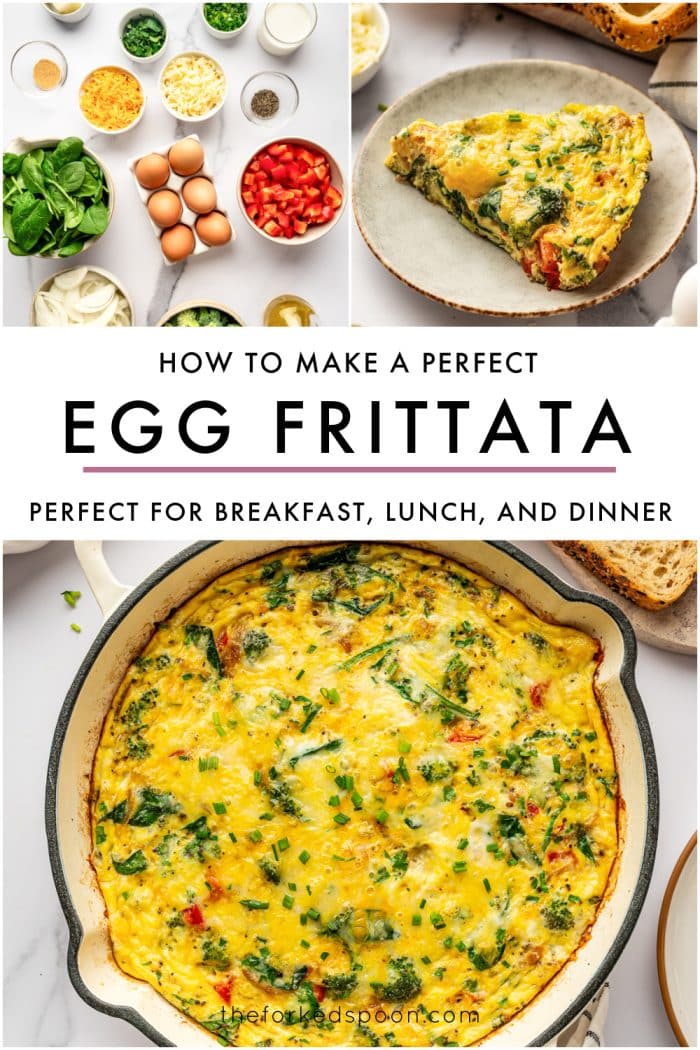
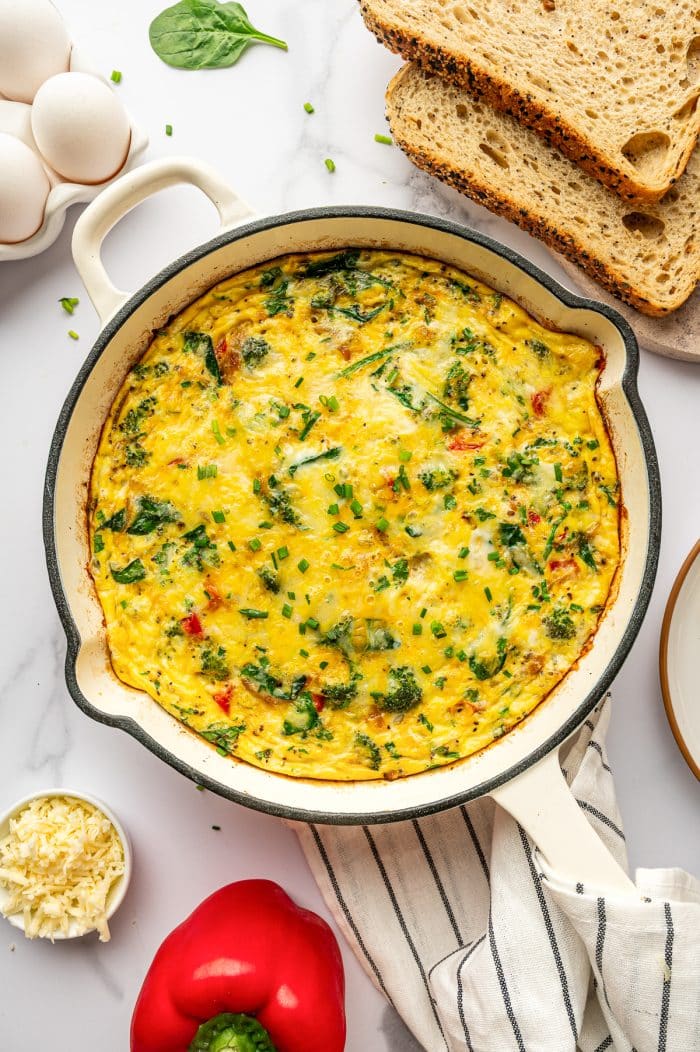
Made with eggs, vegetables, cheese, and fresh herbs, this frittata recipe starts on the stove and finishes in the oven for a versatile egg-based dish that’s perfect for breakfast, brunch, or even a quick dinner.
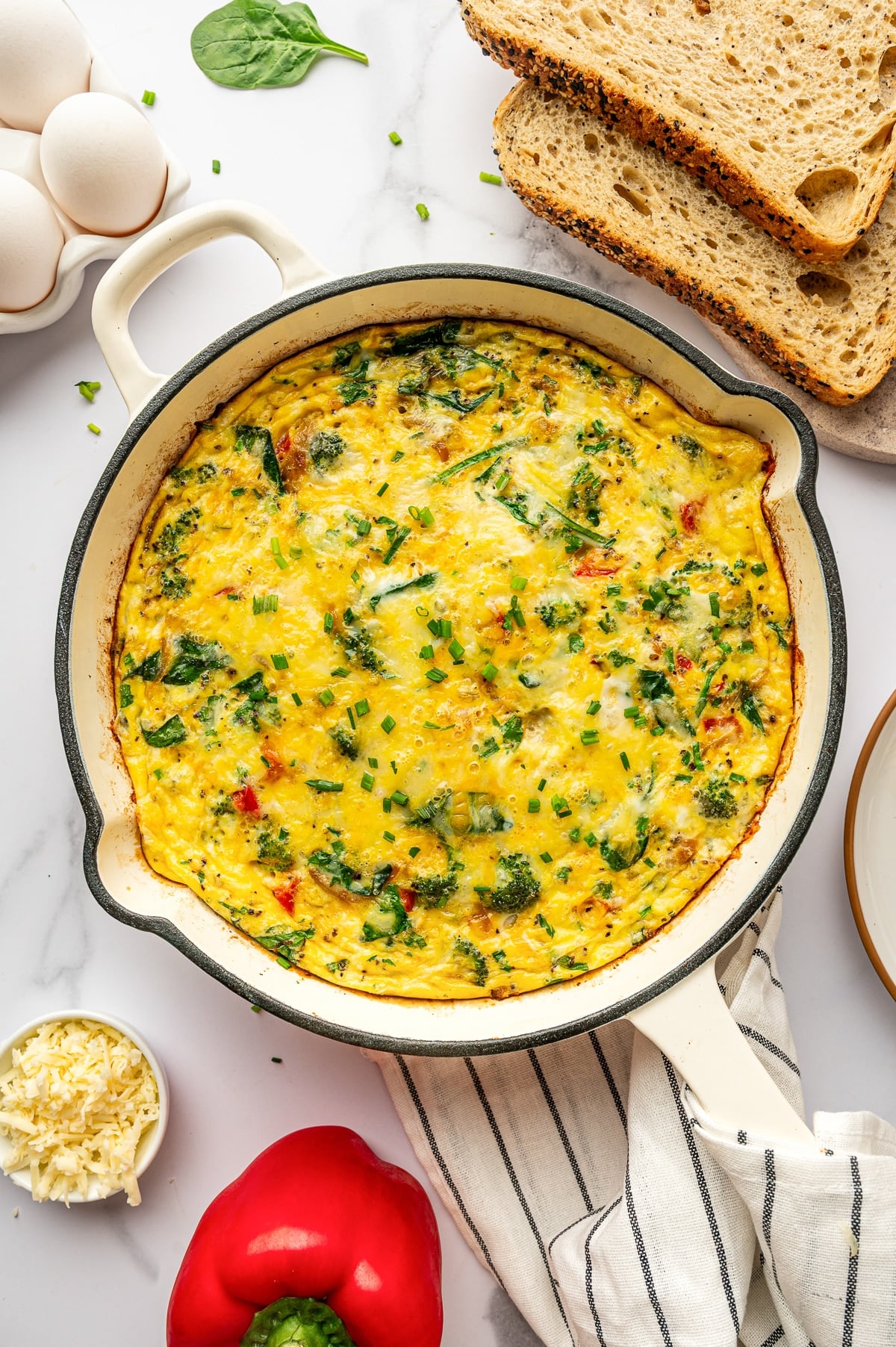
If you’ve ever wondered what the difference is between a frittata and a quiche, or why some frittatas turn out watery, flat, or overcooked, I’m covering all of that below. This easy egg frittata recipe is simple, flexible, and a great way to use up vegetables you already have in the fridge. I’m also including 5 easy frittata variations to help you customize it for every season, occasion, or whatever is already in your refrigerator.
What is a frittata?
A frittata is an Italian egg dish that is similar to a crustless quiche or a thick omelet, but with a firmer, less creamy texture. It is made with eggs, a small amount of milk or cream, and a mix of vegetables, cheese, herbs, or meat, all cooked together in one skillet.
Unlike a quiche, which is baked in a crust and has a more custardy filling, a frittata is sturdier and easier to make. It starts on the stovetop and finishes in the oven, so an oven-safe skillet is essential. One of the best things about a frittata is how flexible it is. You can keep it simple or customize it with different vegetables, cheeses, and herbs depending on what you have on hand.
Table of Contents
The Best Egg-to-Filling Ratio for a Frittata
A good frittata starts with the right balance of eggs, dairy, vegetables, and cheese. For a standard 10- to 12-inch skillet, this is the ratio I recommend:
- 8 large eggs
- 1/3 cup heavy cream, half-and-half, or milk
- about 2 to 3 cups cooked vegetables and/or meat
- 1 cup cheese total
This ratio gives you a frittata that is hearty, flavorful, and easy to slice without feeling too heavy. Too many vegetables can release excess moisture and make the frittata watery, while too many eggs can make it dense and rubbery. A small amount of dairy helps keep the texture tender, and the cheese adds flavor without overwhelming the eggs.
For this recipe, I use onions, broccoli, red bell pepper, and spinach with a mix of cheddar cheeses and fresh herbs for a classic, savory combination that works for breakfast, brunch, or a simple dinner.
Ingredients and Substitutions
This egg frittata is made with simple, everyday ingredients like eggs, broccoli, spinach, bell pepper, onion, cheese, and fresh herbs.
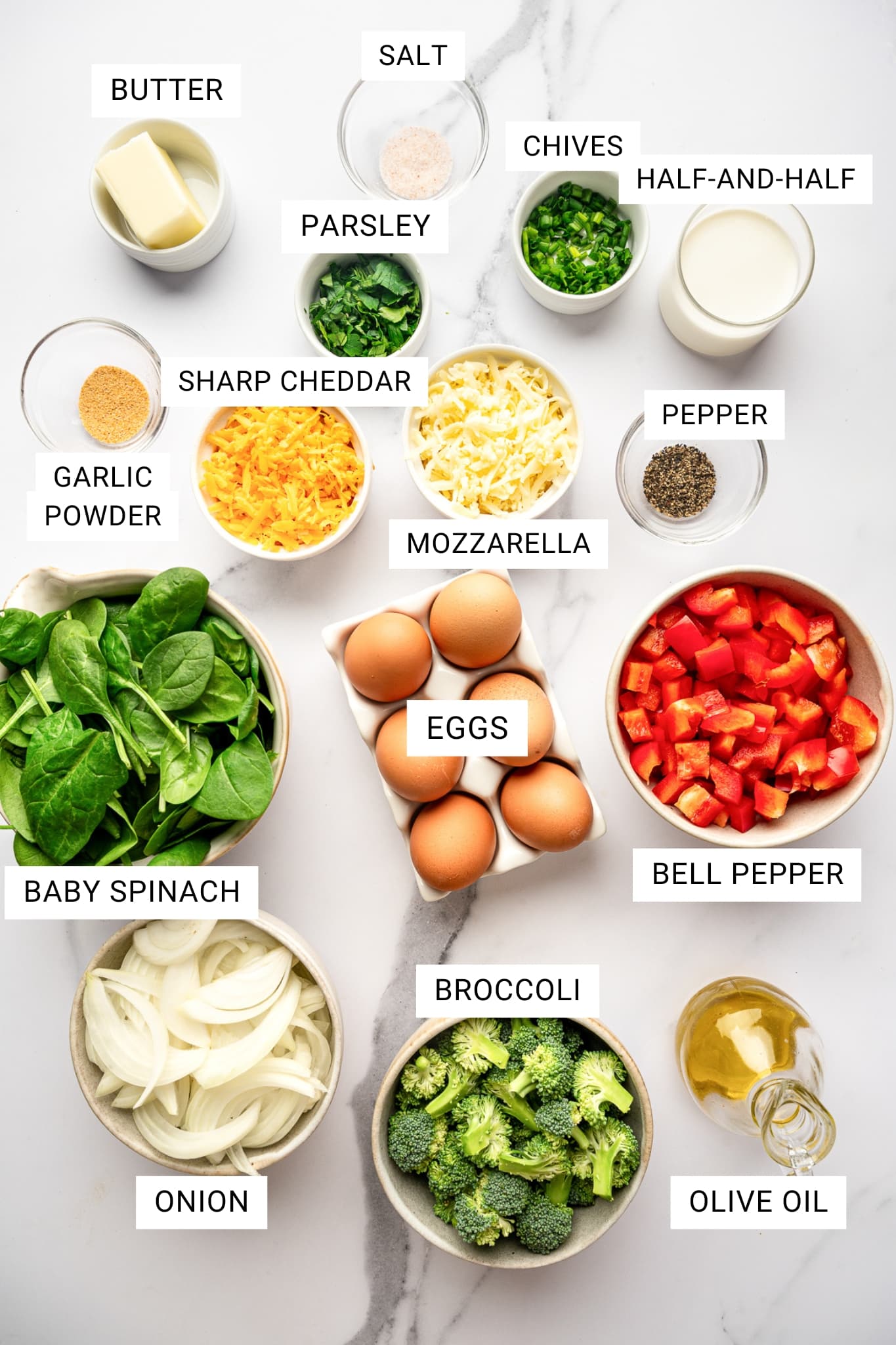
- Eggs + half-and-half: Eggs are the base of the frittata, while a small amount of half-and-half keeps the texture tender without making it too soft. Whole milk or heavy cream works, too.
- Onion, broccoli, bell pepper, and spinach: This combination adds color, texture, and flavor. Be sure to cook the vegetables first so the frittata stays tender, not watery.
- Cheese: Sharp cheddar adds bold flavor, while white cheddar or mozzarella melts nicely on top. You can also use feta, goat cheese, Swiss, or Monterey Jack.
- Fresh herbs: Chives and parsley brighten the whole dish and add fresh flavor right at the end.
Easy Substitutions: This recipe is very flexible. Swap the broccoli for mushrooms, zucchini, asparagus, or cooked potatoes, and use kale instead of spinach if needed. You can also add cooked bacon, ham, or sausage for a heartier frittata. For even more ideas, check out my 5 favorite frittata variations below.
How to Make a Frittata
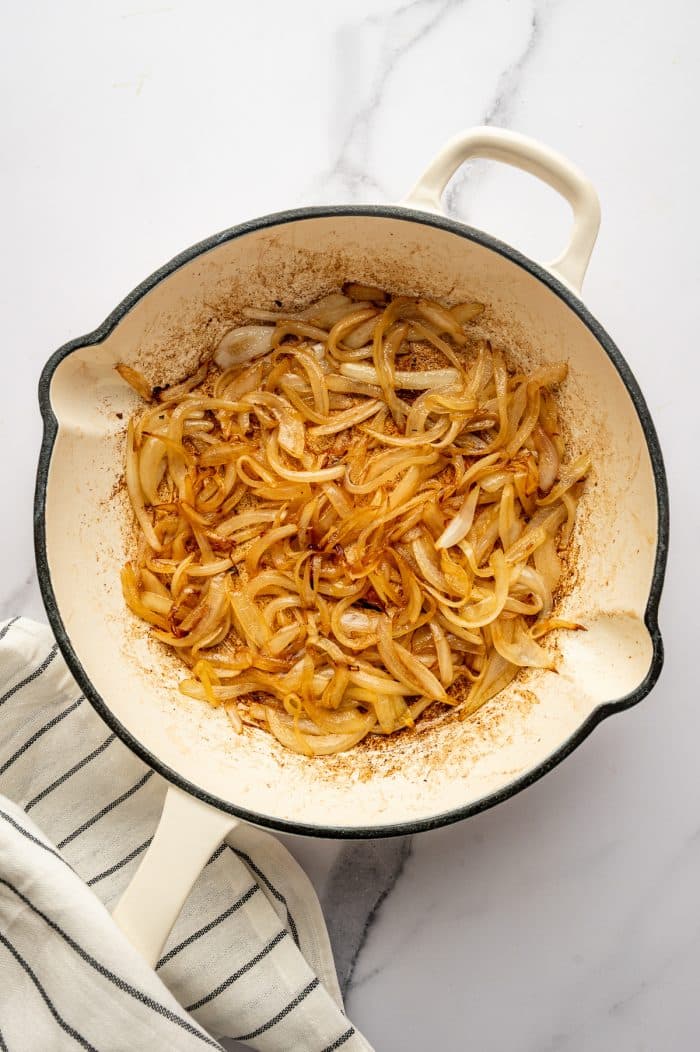
- Soften the onions. Heat the olive oil and butter in a large oven-safe skillet set over medium heat. Add the sliced onion and cook slowly until softened, sweet, and golden. This step adds a lot of flavor, so do not rush it.
- Cook the vegetables. Add the broccoli and red bell pepper and cook until the broccoli is bright green and just starting to soften.
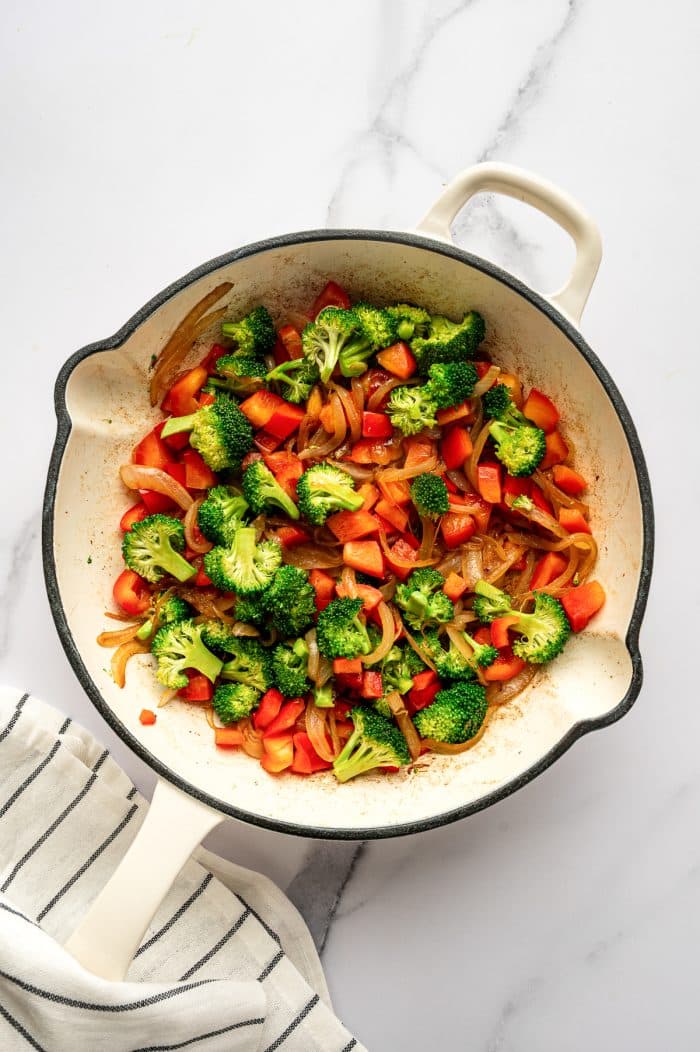
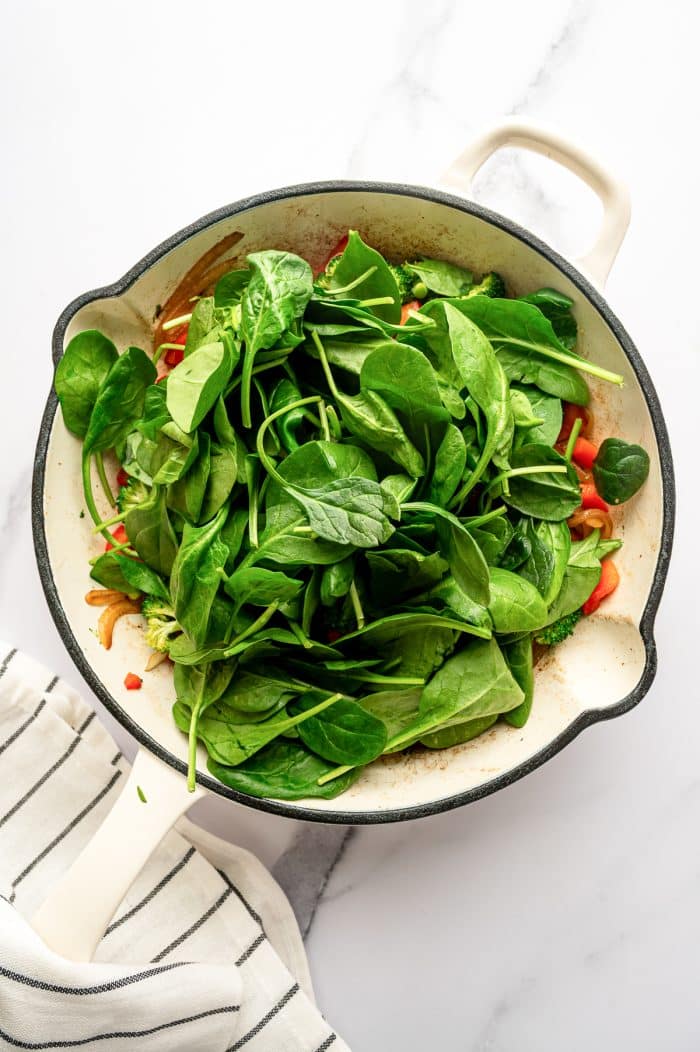
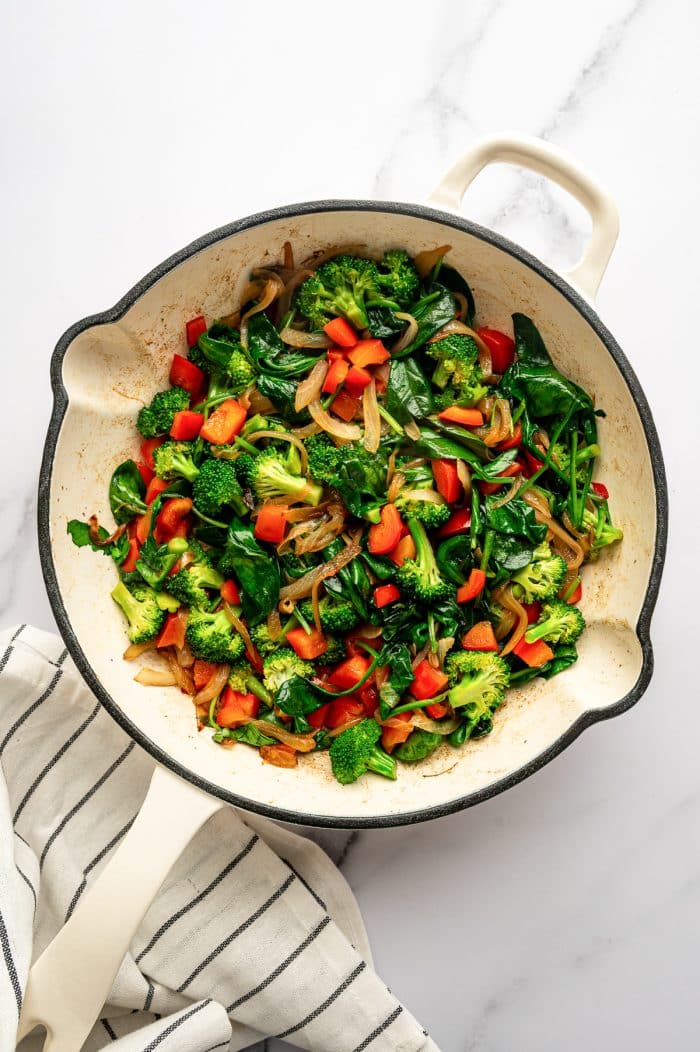
- Add the spinach last. Add the spinach and cook until just wilted. Cooking the vegetables before adding the eggs helps remove excess moisture and keeps the frittata from turning watery.
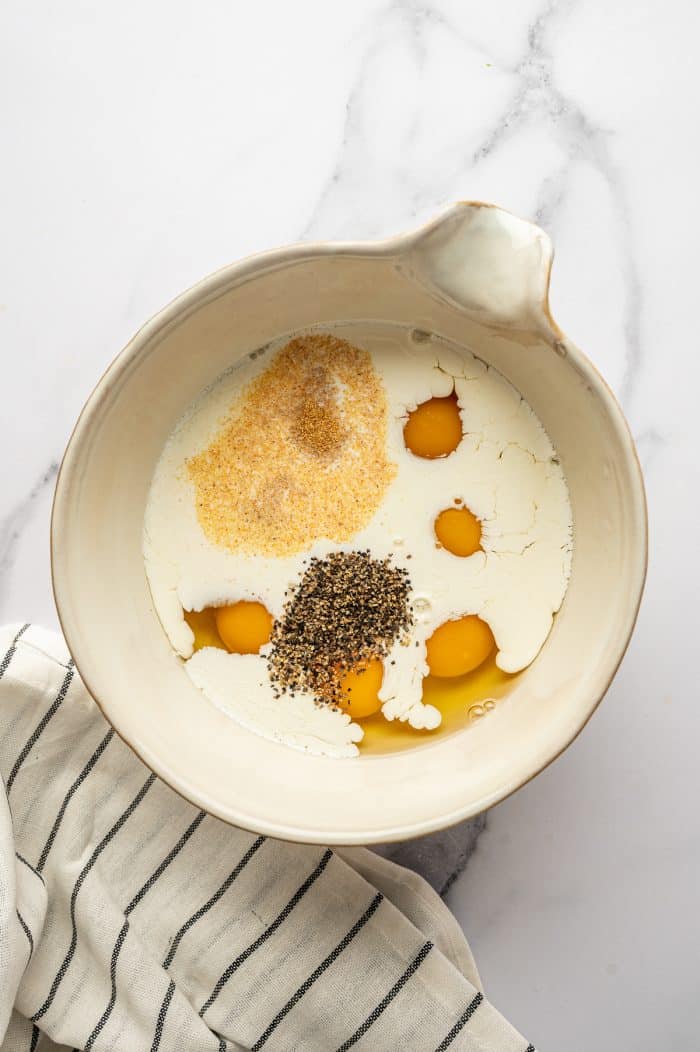
- Whisk the eggs. In a large bowl, whisk together the eggs, half-and-half, salt, black pepper, and garlic powder until well combined. Stir in the shredded cheddar, chives, and parsley.
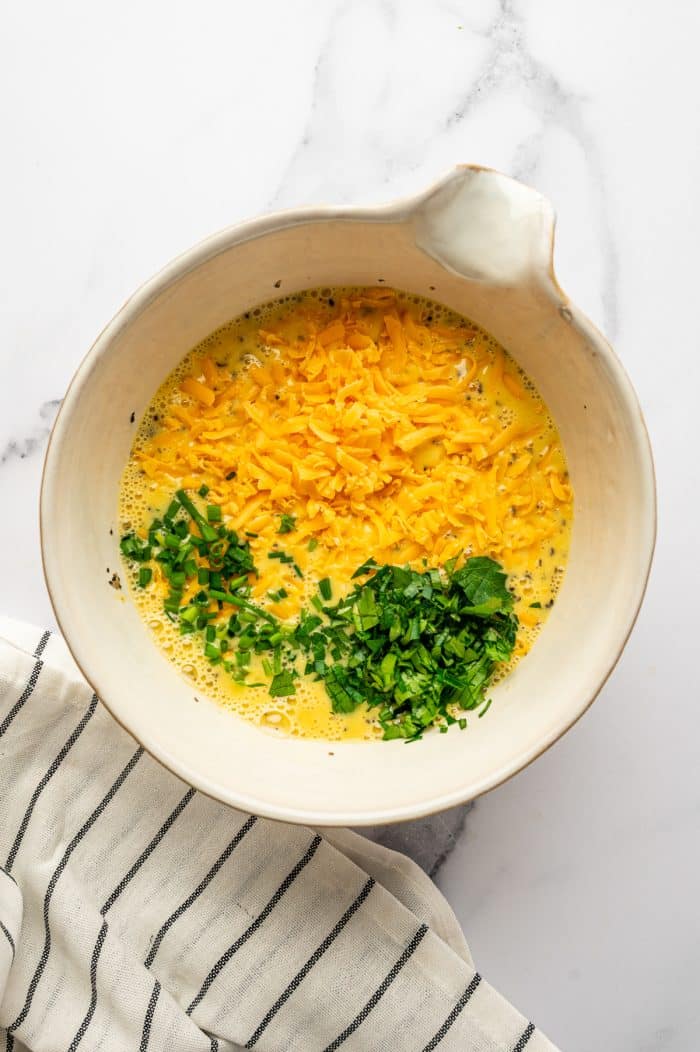
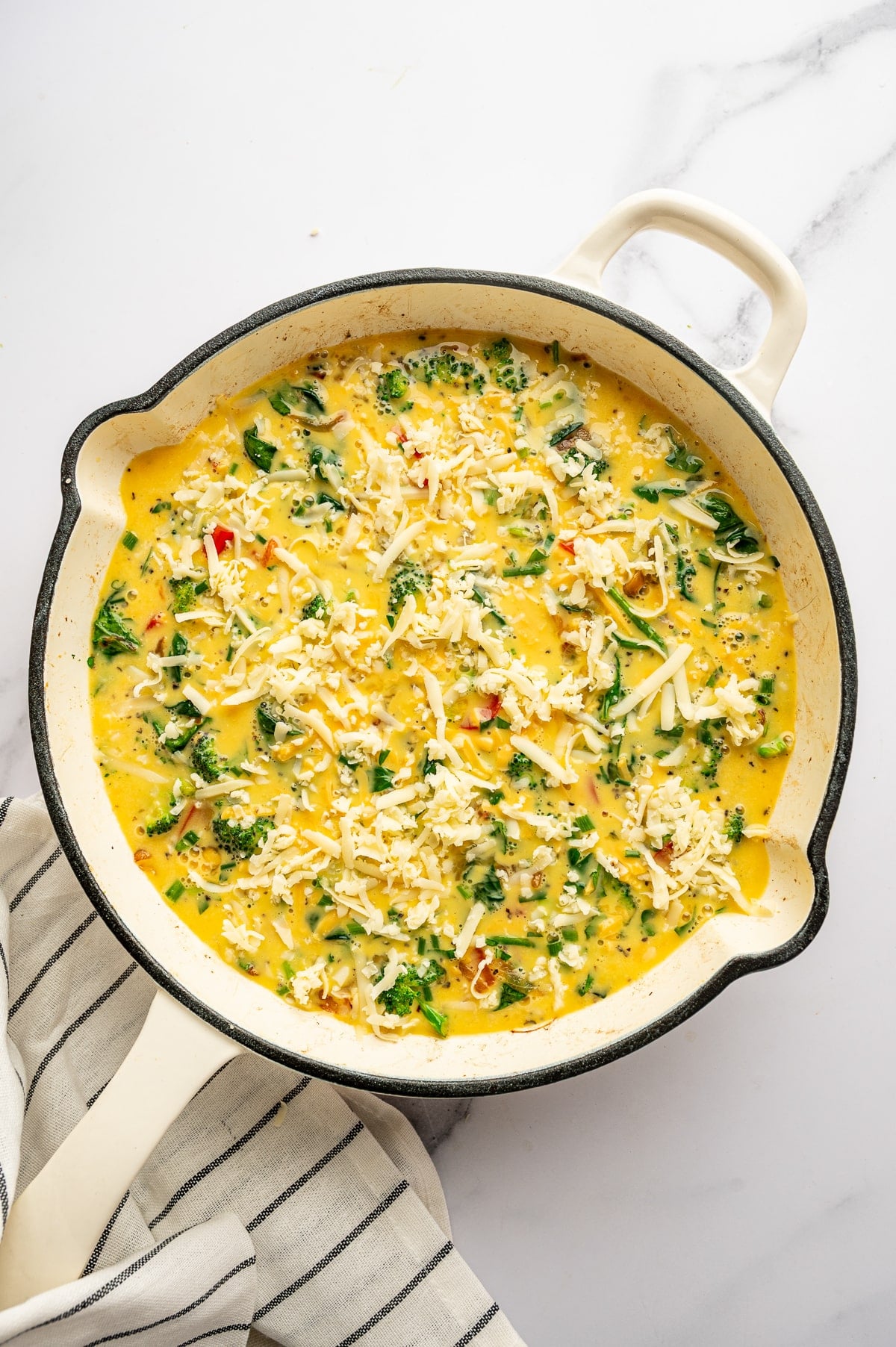
- Add the eggs to the skillet. Spread the vegetables into an even layer, then pour the egg mixture evenly over the top. Let it cook on the stovetop for 2 to 3 minutes over medium-low heat, or until the edges just begin to set.
- Finish in the oven. Sprinkle the remaining cheese over the top and transfer the skillet to the oven. Bake until the center is just set, and the top is lightly golden. A slight jiggle in the very center is fine, as the frittata will continue to cook as it rests.
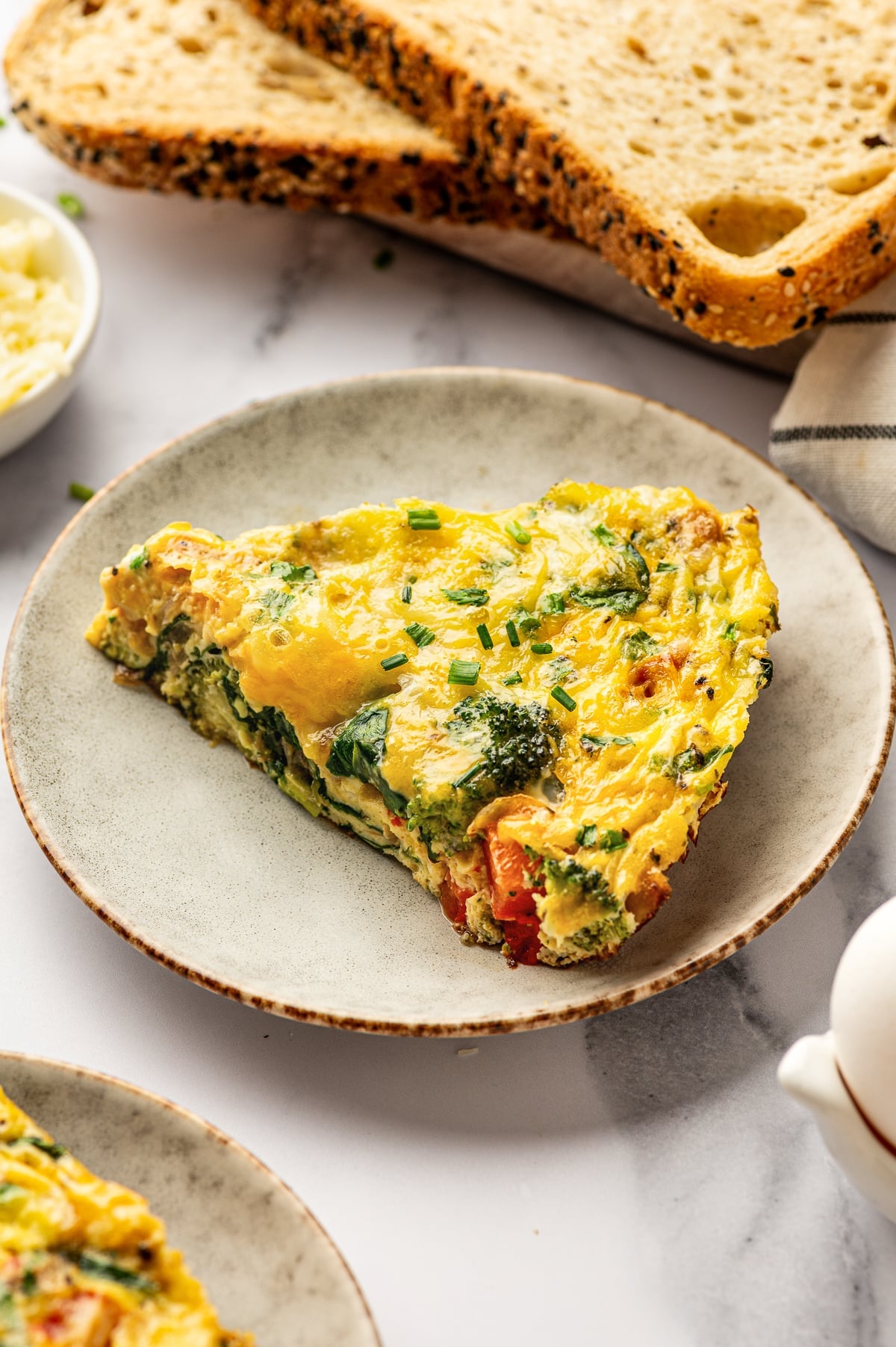
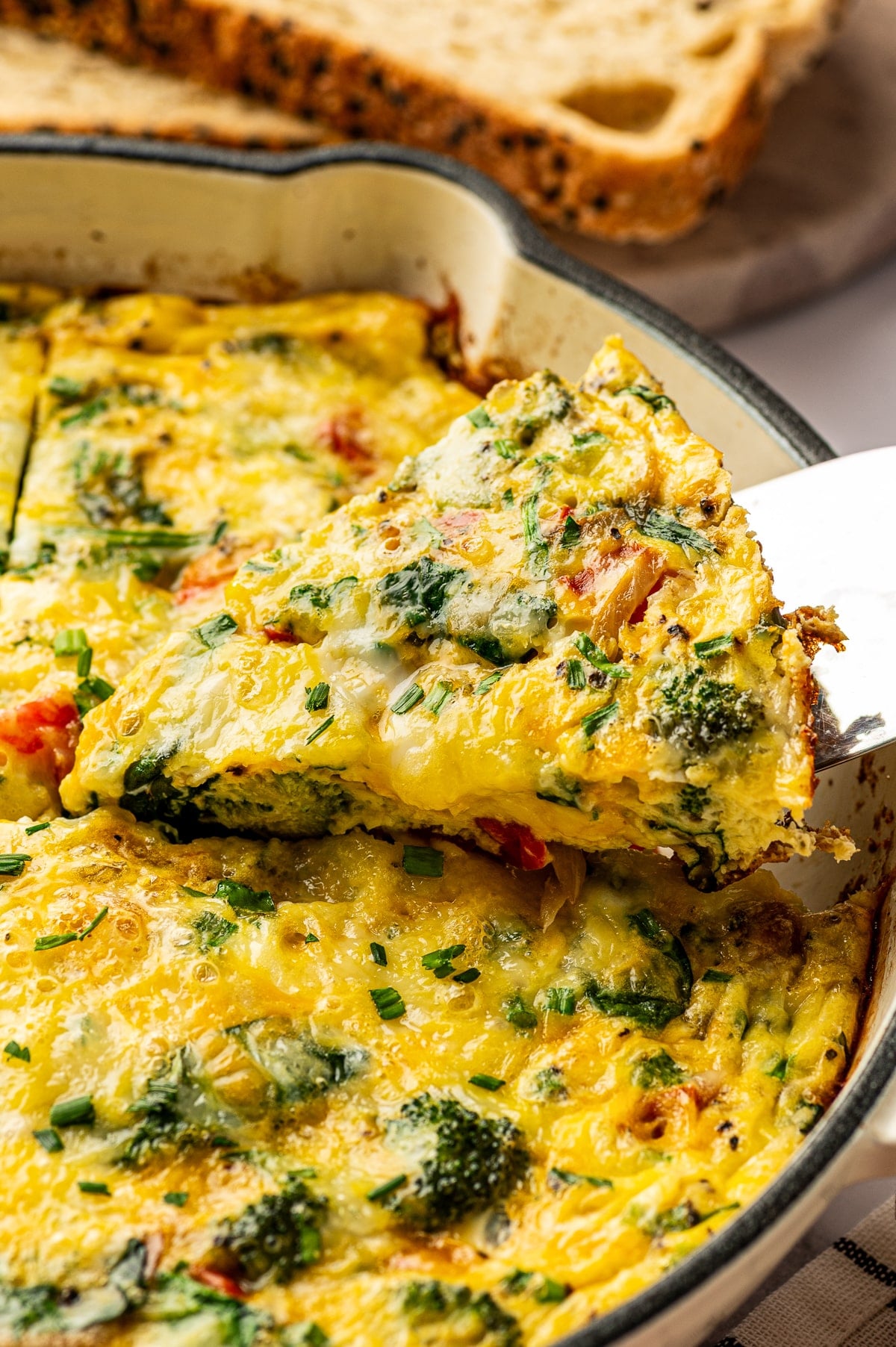
- Rest, slice, and serve. Let the frittata rest for about 5 minutes before slicing. This makes it easier to cut and gives the eggs time to finish setting.
What Kind of Pan Is Best for a Frittata?
Because a frittata starts on the stovetop and finishes in the oven, you need a skillet that is completely oven-safe. A cast iron skillet is one of the best choices because it holds heat well, cooks evenly, and helps create perfectly golden edges. This 12-Inch Lodge Cast Iron Dual Handle Pan or Le Creuset Enameled Cast Iron Skillet are my favorite and makes it easy to go straight from stovetop to oven.
That said, any 10- to 12-inch oven-safe skillet that is about 2 inches deep will work, including stainless steel or oven-safe nonstick, as long as it is safe for oven use and generously greased.
Safety tip: The skillet and handles will be very hot, so always use oven mitts when transferring it in and out of the oven.
Frittata Recipe Variations
Here are 5 of my favorite frittata variations:
- Ham and Cheese: One of the easiest variations of all, since it doesn’t require precooking any vegetables. Made with diced ham, shredded cheese, and fresh chives or green onions, it’s one of my favorite recipes for Easter brunch.
- Mushroom and Swiss: Earthy mushrooms and nutty Swiss cheese make this variation rich, savory, and especially good for brunch or dinner. For the best flavor, cook the mushrooms until deeply golden and caramelized before adding the eggs.
- Tomato, Mozzarella, and Basil: This fresh and super simple version is made with cherry tomatoes, mozzarella, and fresh basil. To prevent the frittata from getting watery, use halved cherry tomatoes and avoid adding too many.
- Cream Cheese, Smoked Salmon, and Capers: This brunch-worthy variation is made with smoked salmon, small dollops of cream cheese, capers, and fresh chives or dill. It has all the flavors of a smoked salmon bagel in an easy, oven-baked frittata and feels especially perfect for holidays, brunch gatherings, or special weekends at home.
- Spanish-Inspired Potato and Onion Frittata: Inspired by Spanish tortilla española, this version is made with thinly sliced potatoes and onions cooked until tender and golden. For an easy shortcut, add leftover sliced garlic roasted potatoes, crispy hash browns, or fried potatoes and onions.
Frittata Serving Suggestions
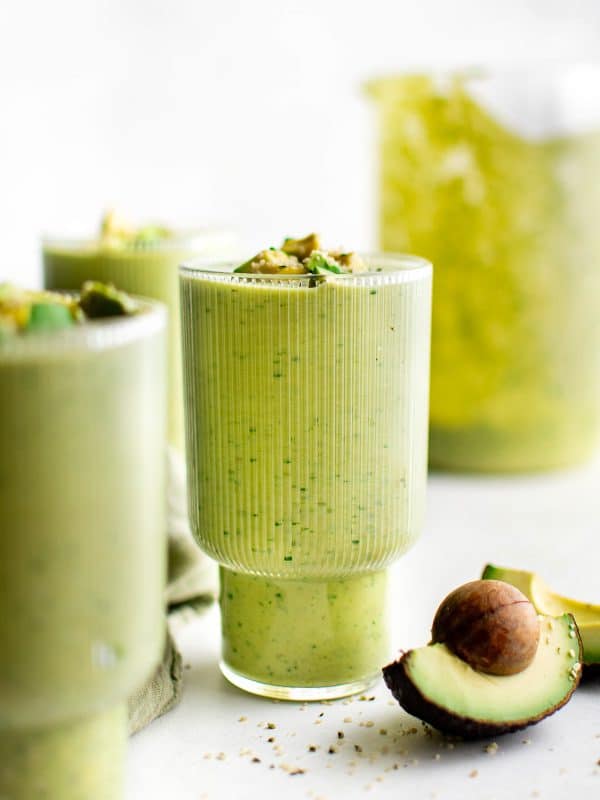
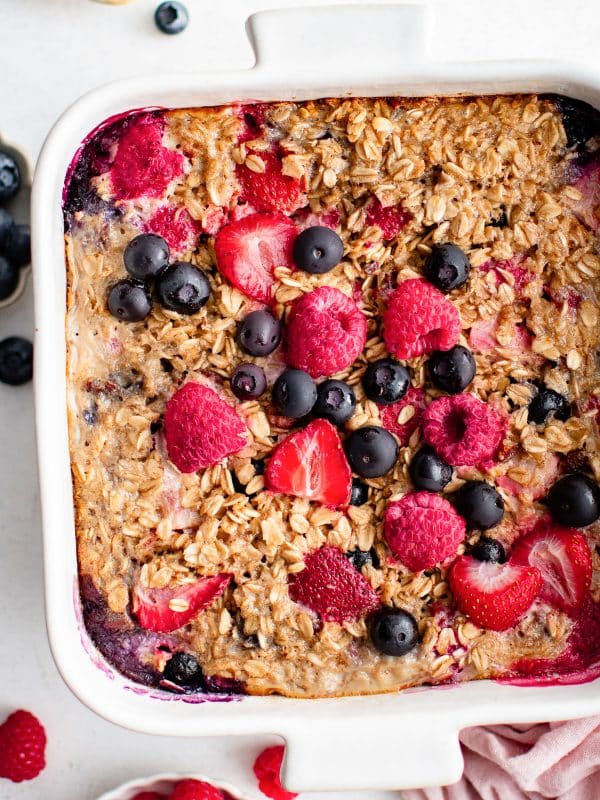
If you’re serving your frittata for breakfast, brunch, or lunch, I highly recommend pairing it with crispy air fryer breakfast potatoes, a side of oven baked bacon, and a fresh fruit smoothie like this green smoothie or strawberry banana smoothie recipe. It’s also delicious with baked favorites, like banana bread or cozy baked oatmeal.
For a simple weeknight dinner, I like to serve this frittata with an arugula salad topped with shaved parmesan and a side of fresh fruit salad. It keeps the meal light, balanced, and easy.
Leftovers are just as good the next day. Try serving a slice with avocado toast for an easy breakfast or lunch.
FAQs
Yes. You can make this frittata with egg whites only if you prefer. For this recipe, replace the 8 whole eggs with 16 egg whites. Keep in mind that the texture will be a little lighter and less rich than a frittata made with whole eggs.
Leftover frittata will keep well in the refrigerator for up to 4 days when stored covered in an airtight container. It can be reheated gently in the microwave or enjoyed cold or at room temperature.
A quiche and a frittata are both egg-based dishes, but they are prepared differently and have a different final texture. A quiche is baked in a pastry crust and usually has a richer, more custardy filling made with more dairy. A frittata is crustless, cooked in a skillet, and has a firmer texture with less dairy. Frittatas also typically start on the stovetop and finish in the oven, while quiche is baked entirely in the oven.
More Easy Egg Recipes


If you try making this easy egg frittata recipe, I’d love to hear what you think! Please leave a comment and a star rating below, your feedback helps other readers discover (and enjoy) this recipe too. Thank you so much! 💛
Recipe update: This recipe was retested and simplified with updated ingredients and new photos.
Frittata Recipe

Ingredients
- 1 tablespoon olive oil
- 1 tablespoon butter
- ½ yellow onion, thinly sliced
- ½ red bell pepper, seeded and diced
- 1 cup small broccoli florets
- 2 cups fresh baby spinach, packed
- 8 large eggs
- ⅓ cup half-and-half
- 1 teaspoon salt
- ½ teaspoon black pepper
- ½ teaspoon garlic powder
- ½ cup sharp cheddar cheese, shredded
- ½ cup mozzarella cheese, shredded
- 1 tablespoon fresh chives, chopped
- 1 tablespoon fresh parsley, chopped
Instructions
- Preheat the oven to 375 degrees F.
- Heat the olive oil and butter in a large oven-safe skillet set over medium heat. Add the sliced onion and cook, stirring often, until soft, golden, and lightly caramelized, about 12 to 15 minutes.
- Add the diced bell pepper and broccoli florets. Cook for 4 to 6 minutes, stirring occasionally, until the broccoli is bright green and just beginning to soften.
- Add the spinach and cook for 30 to 60 seconds, or just until wilted.
- In a large mixing bowl, whisk together the eggs, half-and-half, salt, black pepper, and garlic powder until smooth and well combined. Stir in ½ cup of sharp cheddar cheese, chives, and parsley.
- Spread the vegetables into an even layer in the skillet. Pour the egg mixture evenly over the vegetables.
- Let the frittata cook on the stovetop over medium-low heat for 2 to 3 minutes, or until the edges begin to set.
- Sprinkle the shredded mozzarella over the top. Transfer the skillet to the oven and bake for 12 to 15 minutes, or until the center is just set.
- Remove from the oven and let rest for 5 minutes before slicing and serving.
Notes
- Use a 10- to 12-inch oven-safe skillet. Cast iron is a great option because it goes easily from stovetop to oven and cooks evenly.
- Cook the vegetables first: Always cook the vegetables before adding the eggs. This helps remove excess moisture and keeps the frittata from turning watery.
- Add spinach last: Spinach wilts quickly, so stir it in at the end to keep it from overcooking.
- Vegetable substitutions: Broccoli can be replaced with mushrooms, asparagus, zucchini, or cooked potatoes. Spinach can be swapped for kale.
- To make with egg whites: Replace the 8 whole eggs with 16 egg whites. The texture will be a little lighter and less rich.
- For the best texture, stick with about 2 to 3 cups of cooked vegetables and/or meat total. Too much filling can make the frittata watery and prevent the eggs from setting properly.
- Storage: Store leftover frittata covered in the refrigerator for up to 4 days. Reheat gently in the microwave or enjoy cold or at room temperature.
- Freezing: You can freeze frittata, but the texture may soften slightly after thawing because of the vegetables and dairy. For best results, let it cool completely, slice into portions, and wrap each slice tightly before freezing for up to 2 months. Thaw in the refrigerator overnight and reheat gently before serving.
Nutrition
Nutrition information is automatically calculated, so should only be used as an approximation.






Hi, can I tell you something? This is not a frittata but a uova fritte (kind of) ”recipe”. In Italy, we generally use olive oil ”or” butter (choose the one you prefer and just use a tiny bit of it). No need to use the oven, we turn the frittata in the pan or put a lid on it; to make a frittata we first smash the eggs, we add a bit of salt, parsil, parmigiano or grana, some nutmeg in it. You don’t need any cream or milk since we mix the parmigiano (or grana) into the eggs. You can use the same ingredients and add some salmon with chives* (*which replace the parsil). Only use one herb at the time: less is more.
There is a frittata for each day of the week: Tropea onion, peppers, balsamic vinegar, salt, black pepper or nutmeg and here you are, with another quick and yummy recipe, ready in less than 15′ 😉
If you want it to be more appealing, put the frittata in two slices of bread, some red wine and head the countryside, the seaside or to your own garden! Enjoy