This post may contain affiliate links. See my disclosure policy.

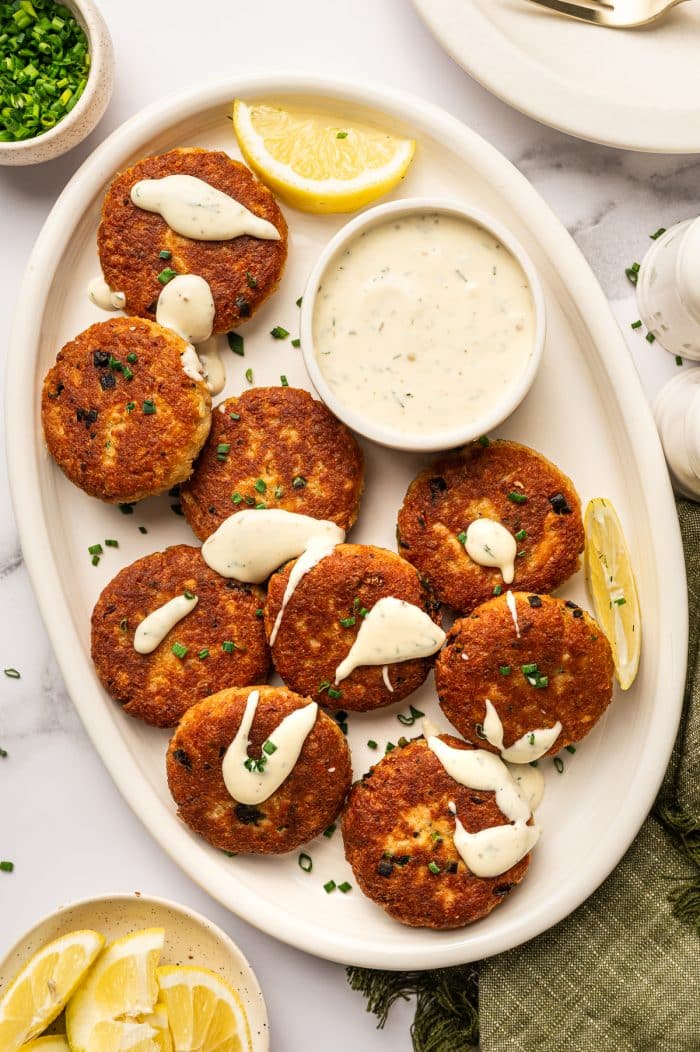
These crispy salmon cakes are made with canned salmon, mayonnaise, Dijon mustard, breadcrumbs, garlic, and green onions for an easy, budget-friendly dinner that comes together fast. They are golden and crisp on the outside, tender in the middle, and perfect with lemon wedges, tartar sauce, a simple salad, or roasted vegetables.
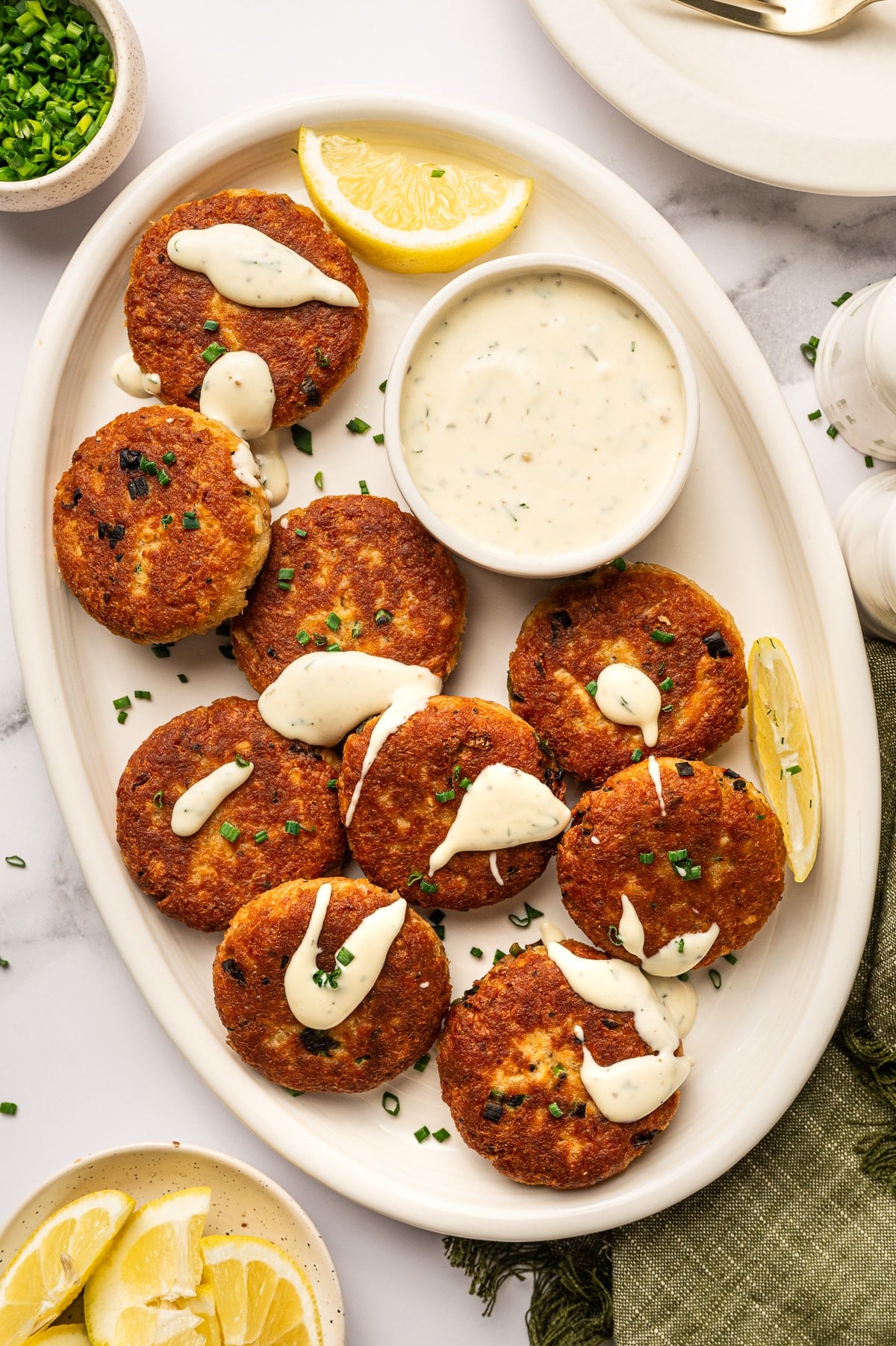
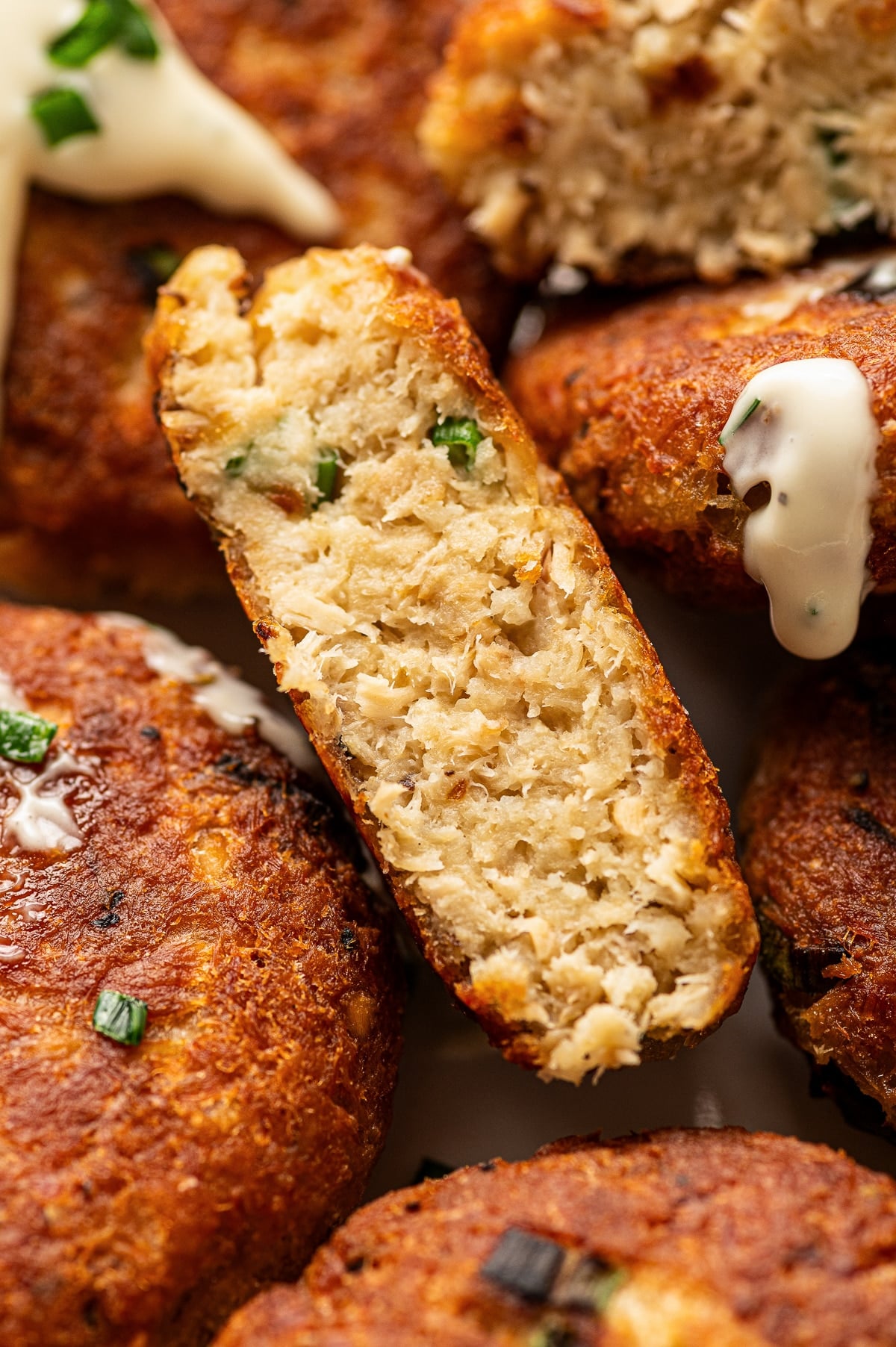
These salmon cakes are made by mixing flaked canned salmon with egg, breadcrumbs, mayonnaise, herbs, and seasonings. The mixture is shaped into small patties, then pan-fried until golden and crisp on the outside and tender in the middle. They are similar to crab cakes, but made with canned salmon instead of lump crab meat.
Unlike my salmon patties recipe, which starts with fresh salmon and has a crisp sesame panko coating, this recipe uses canned salmon and simple pantry staples. It is faster, more budget-friendly, and perfect for an easy lunch or weeknight dinner.
Why You’ll Love These Canned Salmon Cakes
Canned salmon is one of my must-have pantry essentials. It’s great for quick lunches, like canned salmon salad, and easy dinners, like these salmon cakes.
- Quick and easy: These salmon cakes are really easy to make. And since they’re made with simple ingredients like canned salmon, mayo, and breadcrumbs, prep is fast. The whole recipe comes together in about 30 minutes!
- Made with canned salmon: This recipe uses canned salmon, so there is no cooking, cooling, chopping, or extra prep required. Just drain the salmon, flake it with a fork, and mix.
- Budget-friendly: One can of salmon stretches into a full meal, especially when served with simple sides like rice, salad, roasted vegetables, or potatoes.
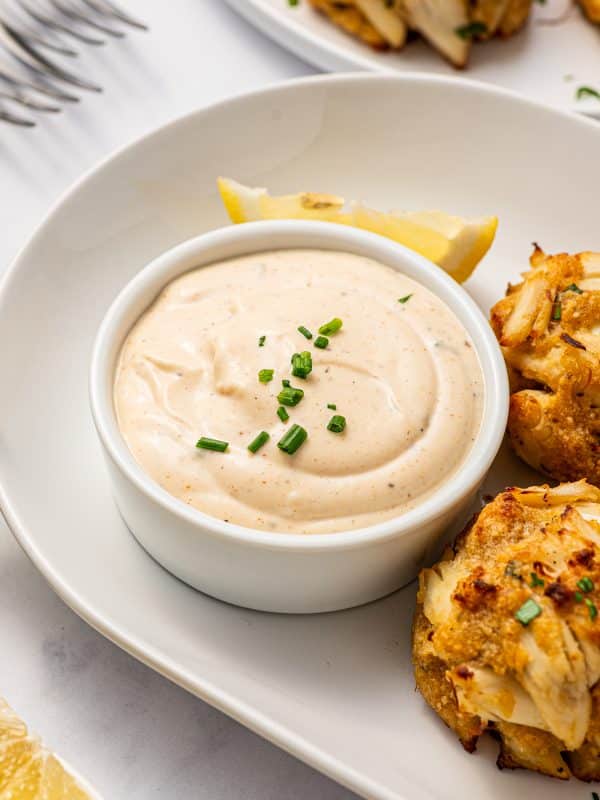
- Flexible: You can serve this recipe as a main dish, appetizer, sandwich filling, salad topper, or tucked into a rice bowl. They’re also delicious with tartar sauce, lemon wedges, Cajun remoulade sauce, or creamy crab cake sauce.
- Meal prep friendly: Leftovers are fantastic the next day for lunch or dinner. I like reheating them in a skillet or air fryer so the outside gets crispy again.
Table of Contents
- Why You’ll Love These Canned Salmon Cakes
- Key Ingredients
- How to Make Salmon Cakes
- Why Are My Salmon Cakes Falling Apart?
- Can You Bake Salmon Cakes?
- Can You Make Salmon Cakes in the Air Fryer?
- What to Serve with Salmon Cakes
- Can You Make Salmon Cakes Ahead of Time?
- Storage, Freezing, and Reheating
- More Easy Salmon Recipes
- Salmon Cakes with Canned Salmon Recipe
Key Ingredients
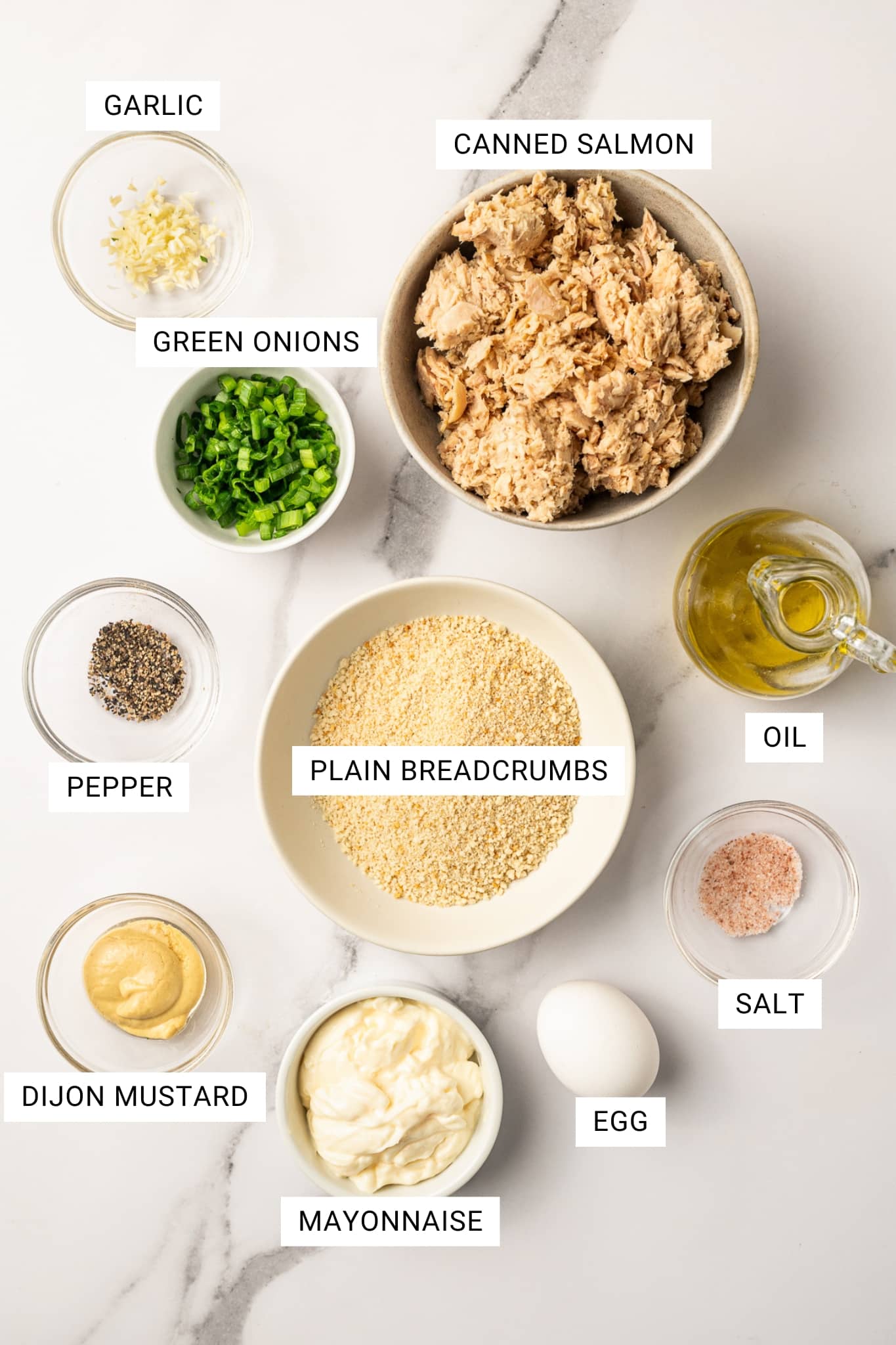
- Canned salmon: This recipe uses one 15-ounce can of salmon (or three 5-ounce cans of salmon), drained well. Pink salmon is great for salmon cakes, plus it’s mild and affordable. If your canned salmon has skin or bones, you can remove any large pieces, or mash the small soft bones into the salmon.
- Mayonnaise: Mayo adds moisture and helps keep the inside of the cakes tender. It also helps bind the mixture together without making the cakes dry. Feeling adventurous? Try making my homemade mayonnaise recipe.
- Egg: Just one egg helps hold the salmon mixture together so the patties keep their shape as they cook.
- Dijon mustard: A little Dijon mustard adds tang and flavor. It balances the richness of the salmon and mayonnaise without overpowering the recipe.
- Plain breadcrumbs: Breadcrumbs help absorb extra moisture and give the salmon cakes structure. If the mixture feels too wet, add a little more breadcrumbs until it holds together.
- Garlic and green onions: Fresh garlic and green onions add savory flavor and freshness.
- Salt and pepper: A little salt and black pepper are all you need to season the salmon cakes without hiding the flavor of the salmon.
- Oil: Use a neutral cooking oil with a high smoke point like vegetable oil, avocado oil, or canola oil.
- Chives: Fresh chives are optional, but they make a pretty garnish and add a mild onion flavor. Fresh parsley or dill would also work well.
Using Fresh Salmon Instead of Canned Salmon
This recipe is designed for one 15-ounce can of salmon, but you can use about 12 ounces of cooked, flaked fresh salmon instead. Start with about 1 pound of raw salmon, cook it, let it cool completely, then flake it into small pieces before mixing it with the other ingredients.
How to Make Salmon Cakes
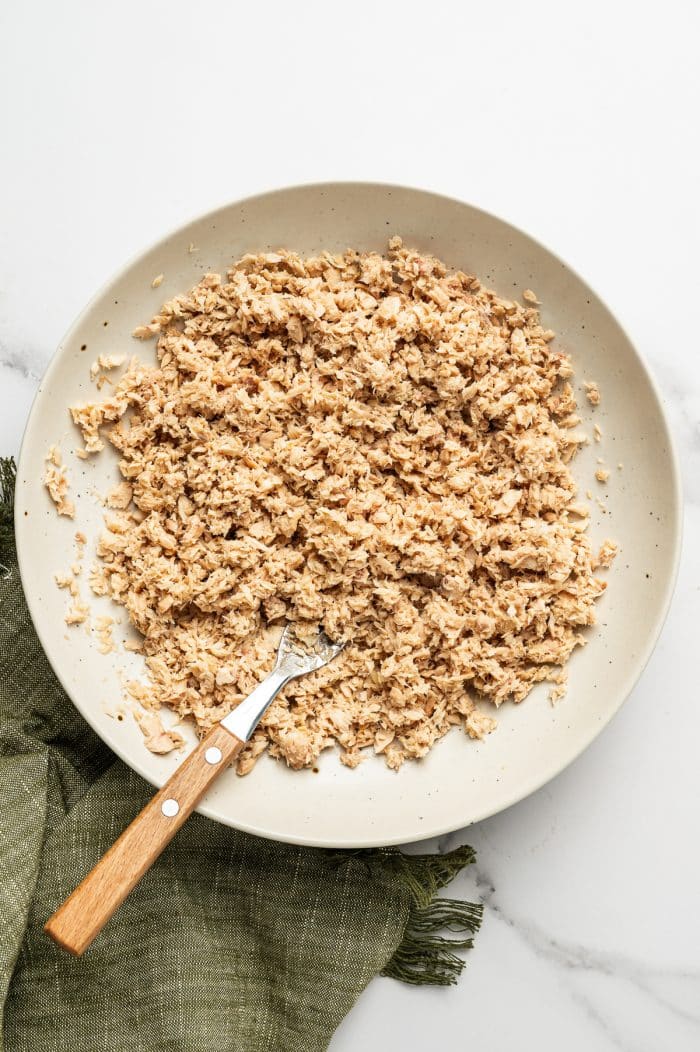
- Drain and flake the salmon: Drain the canned salmon, then transfer it to a large mixing bowl. Use a fork to gently flake the salmon into small pieces. Remove any large bones.
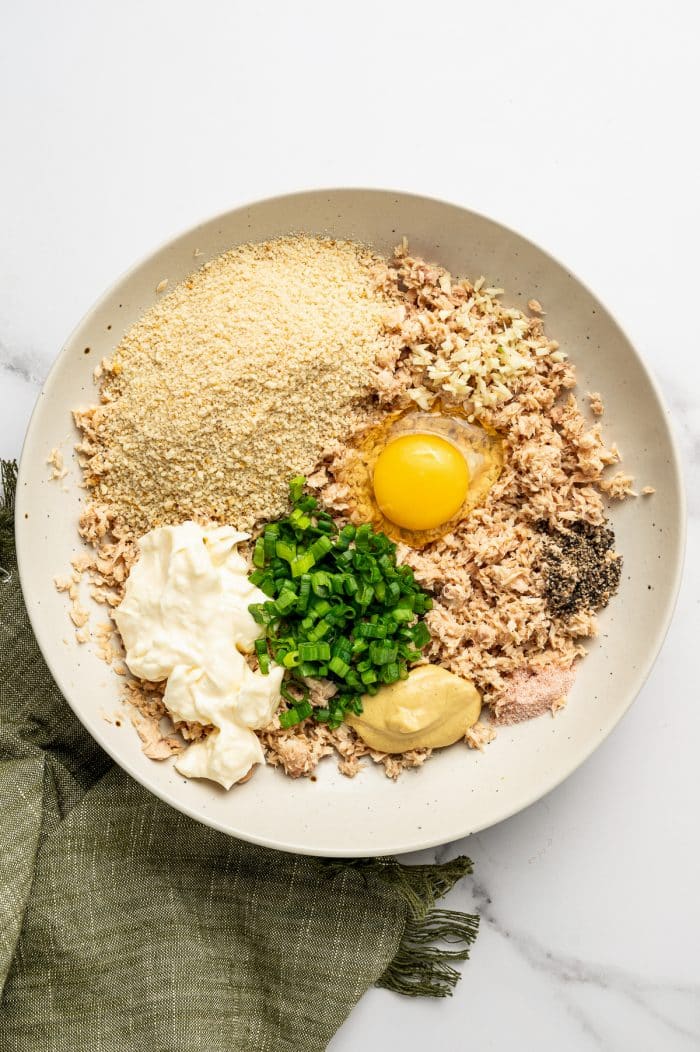
- Make the salmon cake mixture: Add the mayonnaise, egg, Dijon mustard, breadcrumbs, minced garlic, green onions, salt, and black pepper to the bowl with the salmon. Mix gently until everything is evenly combined. The mixture should be moist, but firm enough to hold together.
Tip: If the mixture feels too wet or loose, add a little more breadcrumbs, 1 tablespoon at a time, until it holds its shape. If it feels too dry, mix in a small spoonful of mayonnaise.
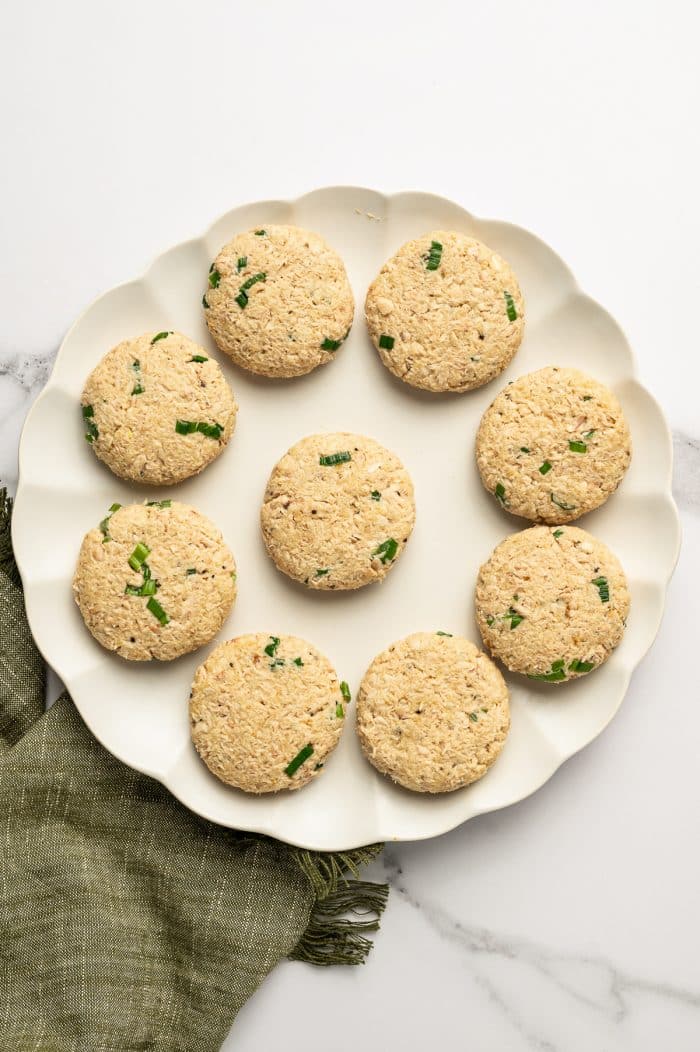
- Shape into patties: Divide the mixture into 8-10 small portions, then shape each portion into a patty. Press them together gently, but firmly enough so they do not fall apart while cooking.
Tip: If the patties feel soft or fragile, place them on a plate and chill in the refrigerator for 20-30 minutes. This helps them firm up and makes them easier to flip.
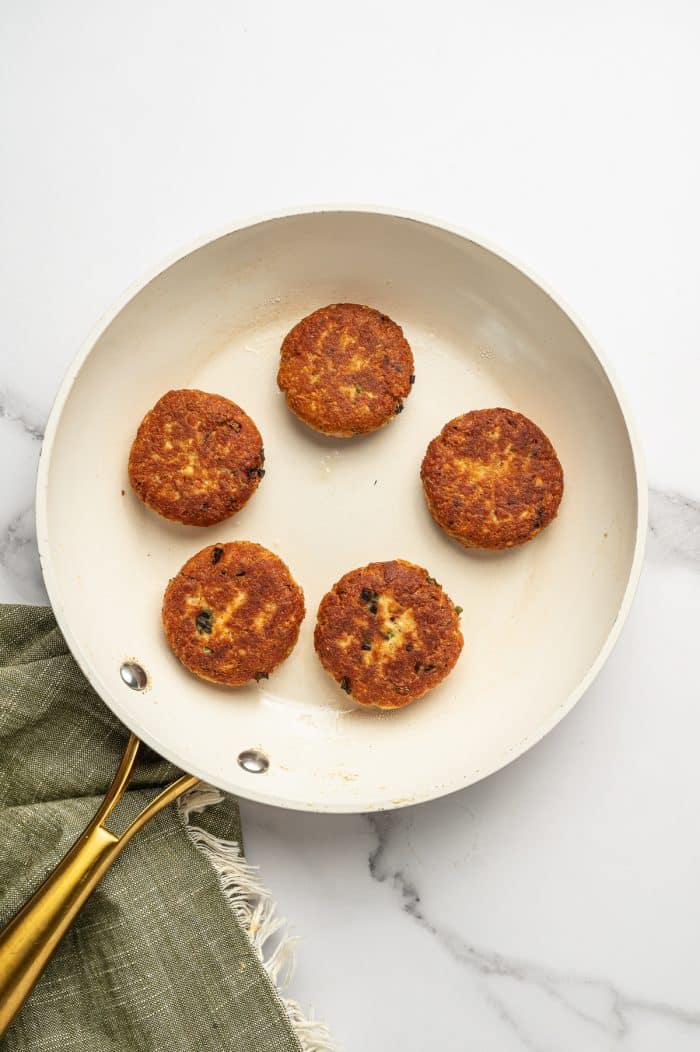
- Pan-fry until golden: Heat the oil in a large skillet and add the salmon cakes in a single layer, leaving a little space between each one. Cook for 3-4 minutes per side, or until golden brown and crispy on the outside.
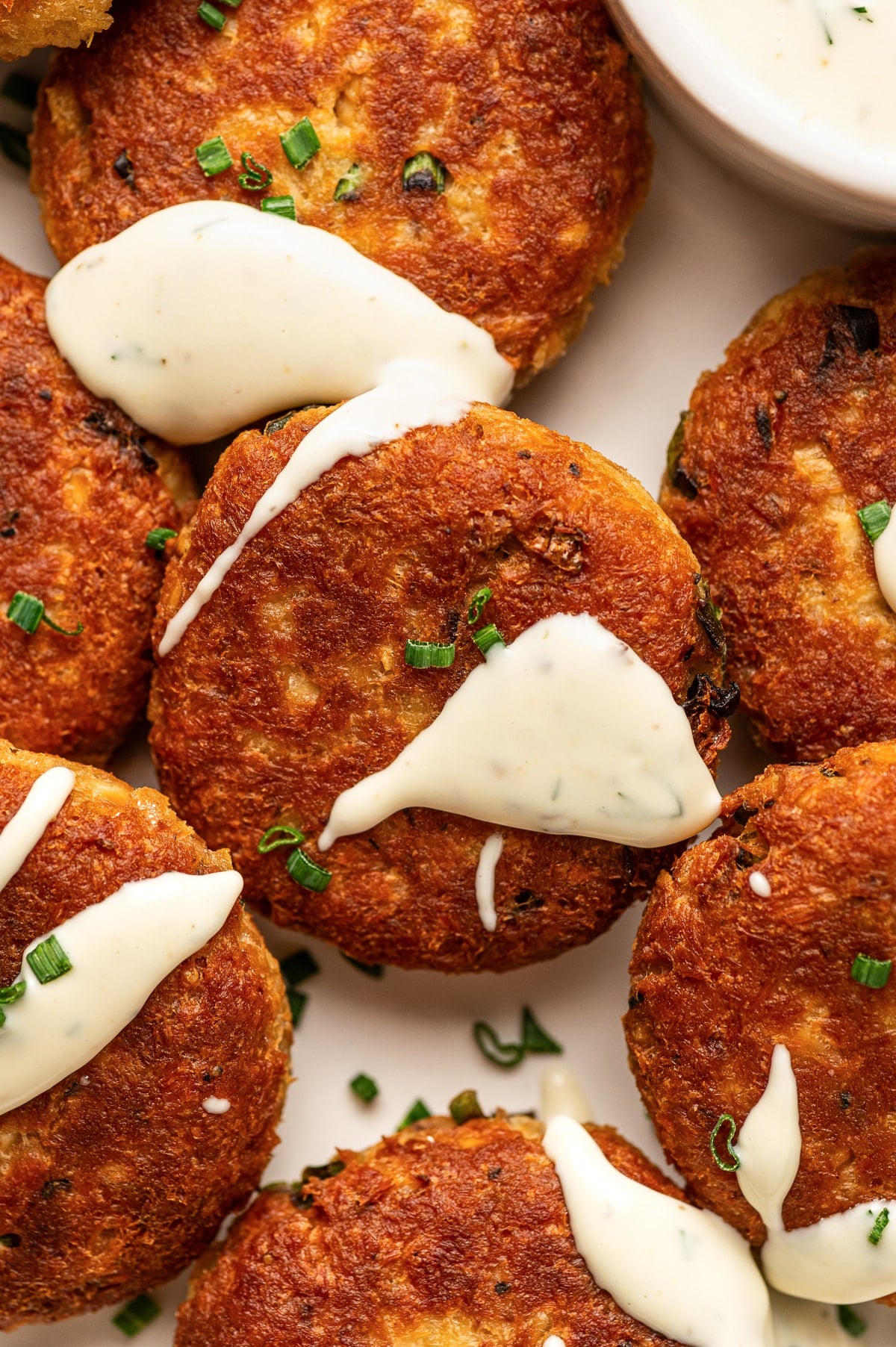
- Garnish and serve: Transfer the salmon cakes to a plate lined with paper towels, if needed. Garnish with fresh chives and serve warm.
Troubleshooting Tips
Why Are My Salmon Cakes Falling Apart?
Salmon cakes can fall apart if the mixture is too wet, too dry, or too warm, or if the patties are flipped before they have had the chance to form a golden crust. The good news is that most of these issues are easy to fix.
- The mixture is too wet: If the salmon mixture feels a little loose or sticky, add 1-2 tablespoons of breadcrumbs at a time until it holds together. Be careful not to add too much at once, or the salmon cakes may turn out dry.
- The salmon was not drained well enough: Canned salmon can hold quite a bit of liquid. I like to drain my salmon in a fine-mesh strainer, then gently press out any extra liquid with the back of a spoon. I’ll usually reserve the liquid and give it to my dogs as a treat.
- The patties need to chill: Chilling in the refrigerator for 20-30 minutes helps the mixture firm up, making the patties easier to handle and less likely to break apart in the skillet.
- The patties are too large: Smaller salmon cakes are easier to flip and less likely to fall apart. I like making 8-10 small patties rather than a few large ones for this reason.
- The pan is not hot enough: Make sure the oil is hot before adding the salmon cakes. If the pan is not hot enough, the patties may stick to the skillet before a crust forms. As they cook, you can reduce the heat if they start to brown too quickly.
- They were flipped too soon: Let the salmon cakes cook undisturbed for 3-4 minutes on the first side, or until the bottom is golden and crisp. Once that crust forms, they will be much easier to flip.
Can You Bake Salmon Cakes?
Yes, salmon cakes can be baked, though they will not get quite as crisp as pan-fried salmon cakes. That being said, I will usually bake larger salmon cakes that I plan to serve as burgers.
Place the patties on a parchment-lined baking sheet, then lightly brush or spray the tops with oil. Bake at 400°F for 12-15 minutes, flipping once halfway through, or until heated through and lightly golden. For a little extra color, you can broil them for 1-2 minutes at the end, watching closely so they do not burn.
Can You Make Salmon Cakes in the Air Fryer?
Yes, salmon cakes can also be made in the air fryer. Lightly spray both sides of the patties with oil, then air fry at 375°F for 8-10 minutes, flipping halfway through, or until crisp and heated through.
Tip: Check early the first time you make them, since air fryer models can vary. For the crispiest texture, avoid overcrowding the basket and cook them in batches if needed.
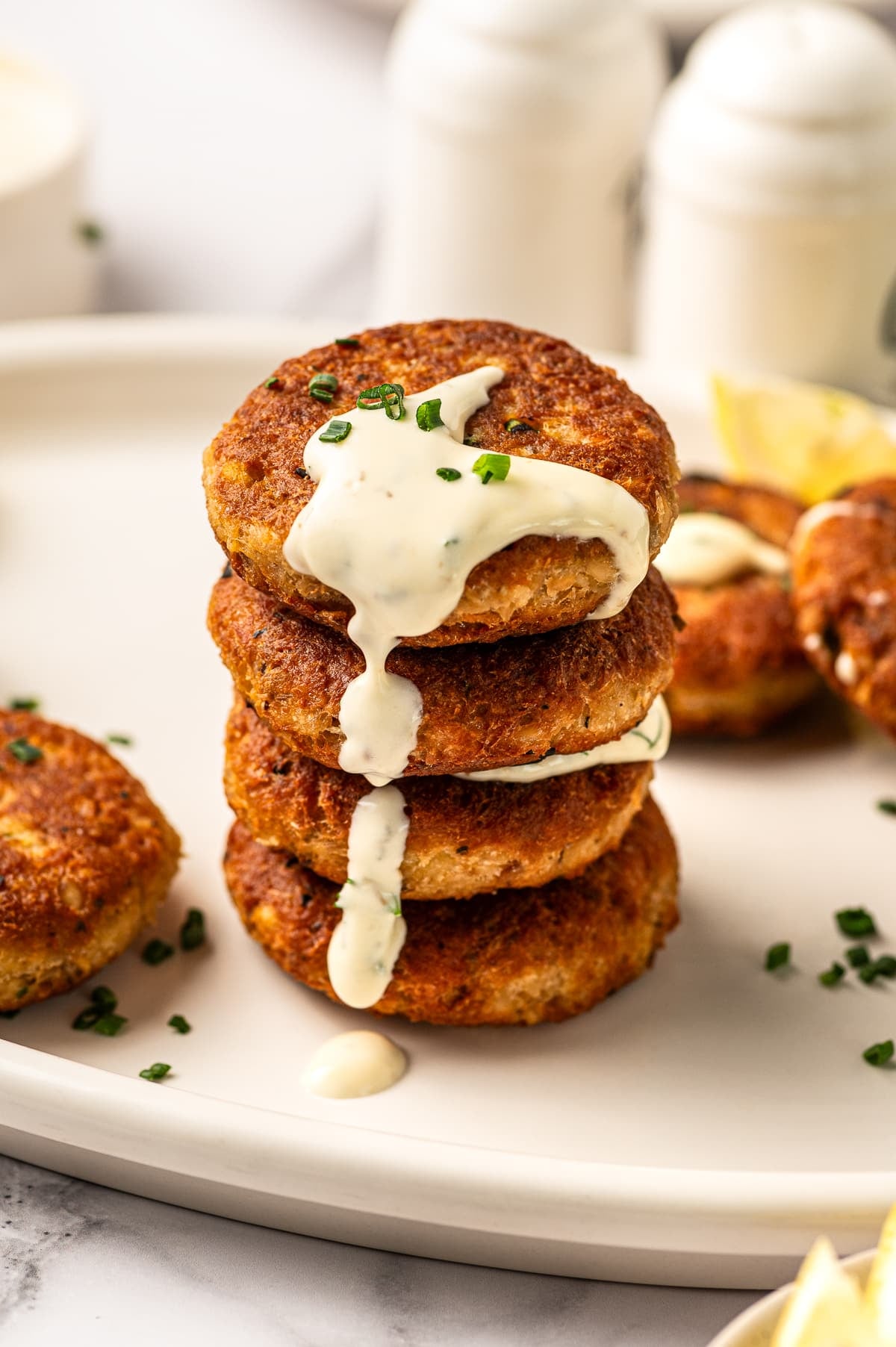
What to Serve with Salmon Cakes
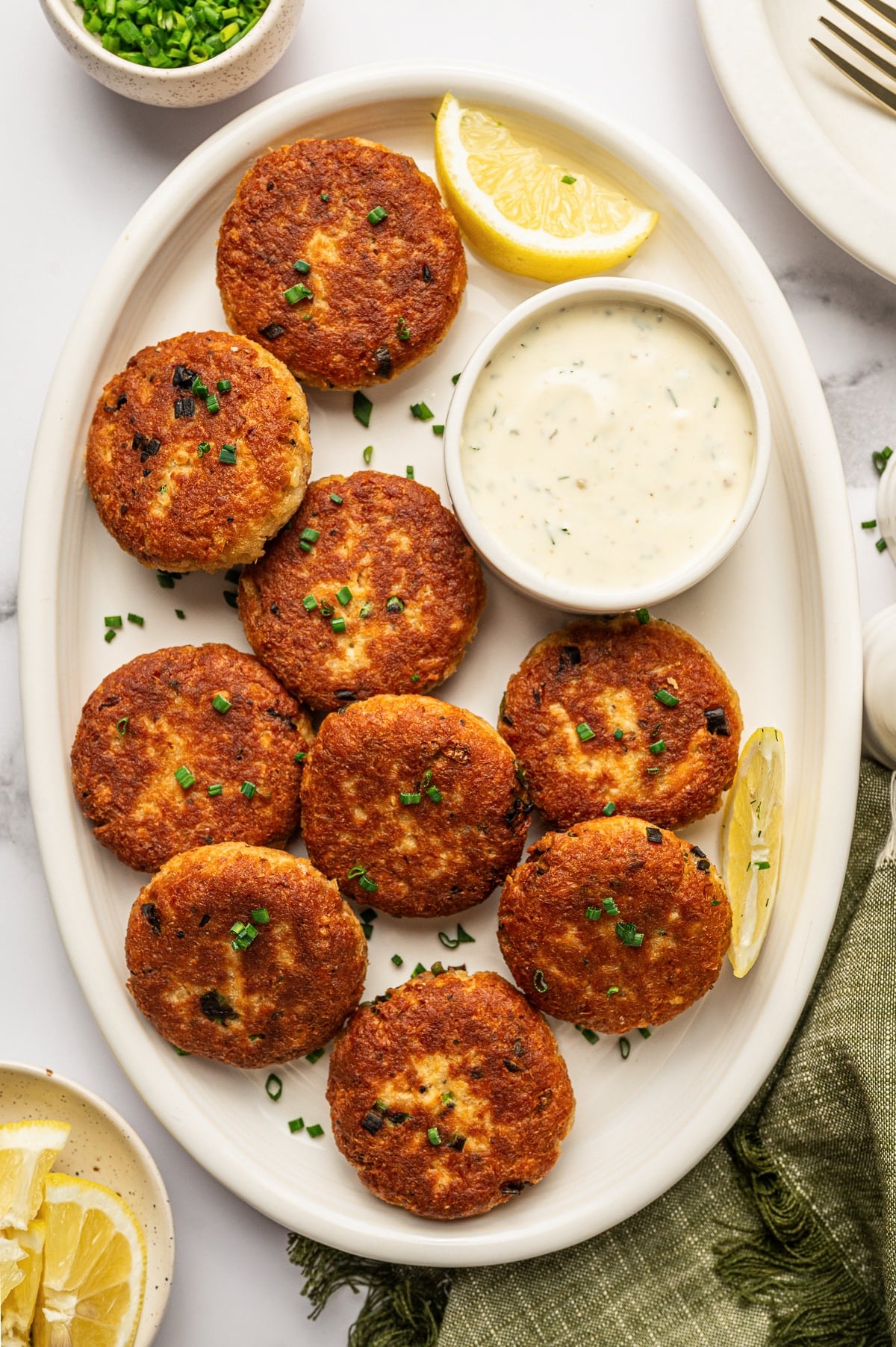
I usually serve salmon cakes with lemon wedges and homemade tartar sauce, then add a fresh salad, vegetable, or simple starch on the side. You can also make them smaller and serve them as an appetizer with your favorite dipping sauce, or pair them with poached eggs for an easy brunch (salmon cake eggs Benedict, anyone?)
- Fresh sides: Light, fresh sides are a great match for crispy salmon cakes. Try them with a simple green salad, cucumber onion salad, balsamic tomato basil salad, or grilled corn salad. They’re also great alongside this easy spinach salad with avocado and hard-boiled eggs, and easy fruit salad.
- Starchy sides: For a more filling meal, enjoy these salmon cakes with lemon rice, garlic roasted potatoes, French fries, or pasta salad.
- Vegetables: Salmon cakes also pair well with simple cooked vegetables like sautéed zucchini, roasted asparagus, and simple Air Fryer green beans.
For another appetizer-style seafood cake, try my salmon crab cakes, which are made with both canned salmon and crab.
Can You Make Salmon Cakes Ahead of Time?
Yes, salmon cakes can be made ahead of time. You’ll want to shape the patties, then place them in a single layer on a parchment-lined plate or baking sheet. Cover tightly and refrigerate for up to 24 hours before cooking.
If you need to stack them, place a piece of parchment paper between each layer to keep them from sticking together. For the best texture, I recommend cooking the salmon cakes just before serving.
Storage, Freezing, and Reheating
- To Store: Store leftover salmon cakes in an airtight container in the refrigerator for up to 3 days. Let them cool completely before storing so they do not become soggy.
- To Freeze: You can freeze these salmon cakes before or after cooking (I prefer freezing them cooked for easier reheating). To freeze cooked salmon cakes, arrange them in a single layer on a parchment-lined baking sheet and freeze until solid. Transfer them to a freezer-safe bag or container and freeze for up to 3 months. If freezing uncooked salmon cakes, place parchment paper between layers to keep them from sticking together. Thaw overnight in the refrigerator before cooking.
- To Reheat: For the best texture, reheat salmon cakes in a skillet over medium-low heat with a small amount of oil until warmed through and crisp again. You can also reheat them in the air fryer at 350°F for a few minutes. The microwave works, but the salmon cakes will be softer and will not stay as crispy.
More Easy Salmon Recipes
If you try making this salmon cakes recipe, I’d love to hear what you think! Please leave a comment and a star rating below. Your feedback helps other readers discover (and enjoy) this recipe too. Thank you so much! 💛
Salmon Cakes with Canned Salmon

Ingredients
- 1 (15-ounce) can salmon, drained well
- 3 tablespoons mayonnaise
- 1 large egg
- 1 tablespoon Dijon mustard
- ½ cup plain breadcrumbs, plus more if needed
- 2 cloves garlic, minced
- ¼ cup green onions, finely sliced
- ½ teaspoon salt
- ½ teaspoon black pepper
- 2-3 tablespoons oil, for pan-frying
- Fresh chopped chives, for garnish
Instructions
- Drain the salmon and add it to a large bowl, then break it apart with a fork until evenly crumbled. Discard any large pieces of skin or bone if preferred.
- Stir in the mayonnaise, egg, Dijon mustard, breadcrumbs, garlic, green onions, salt, and pepper. Fold everything together just until the mixture is evenly blended and holds together when squeezed.
- Scoop out portions of the mixture and shape them into 8-10 evenly sized patties.
- Heat the oil in a large skillet set over medium to medium-high heat until the oil shimmers. Arrange the salmon cakes in the skillet and cook for about 3-4 minutes on each side, or until deeply golden and crisp. Work in batches if needed to avoid crowding the pan.
- Remove the salmon cakes from the skillet and garnish with chopped chives. Serve immediately with lemon wedges and your favorite dipping sauce.
Notes
- Yield: 8-10 salmon cakes
- Drain the salmon really well so the mixture is not watery. The salmon should be moist, but not dripping wet.
- Some canned salmon includes skin and small soft bones. You can remove any large pieces if preferred, or mash the soft bones into the salmon mixture.
- Plain breadcrumbs help bind the salmon cakes and absorb extra moisture. Panko can also be used for a slightly lighter texture.
- Mayonnaise keeps the salmon cakes moist and tender. If needed, Greek yogurt or sour cream may be used, but the flavor and texture will be slightly different.
- For more flavor, try adding lemon zest, fresh dill, parsley, Old Bay seasoning, a pinch of cayenne pepper, or a squeeze of lemon juice.
- If the mixture is too wet: Add breadcrumbs 1 tablespoon at a time until the patties hold their shape.
- If the mixture is too dry: Add a small spoonful of mayonnaise until the mixture comes together.
- If the salmon cakes feel delicate, refrigerate them for 20-30 minutes before cooking.
- Storage: Store leftovers in an airtight container in the refrigerator for up to 3 days.
- Freezing: Freeze cooked salmon cakes in a single layer, then transfer them to a freezer-safe bag or container for up to 3 months.
- Reheating: Reheat in a skillet over medium-low heat or in the air fryer until warmed through and crispy again. The microwave works, but the salmon cakes will be softer.
Explore More with AI
Nutrition
Nutrition information is automatically calculated, so should only be used as an approximation.