
This post may contain affiliate links. See my disclosure policy.

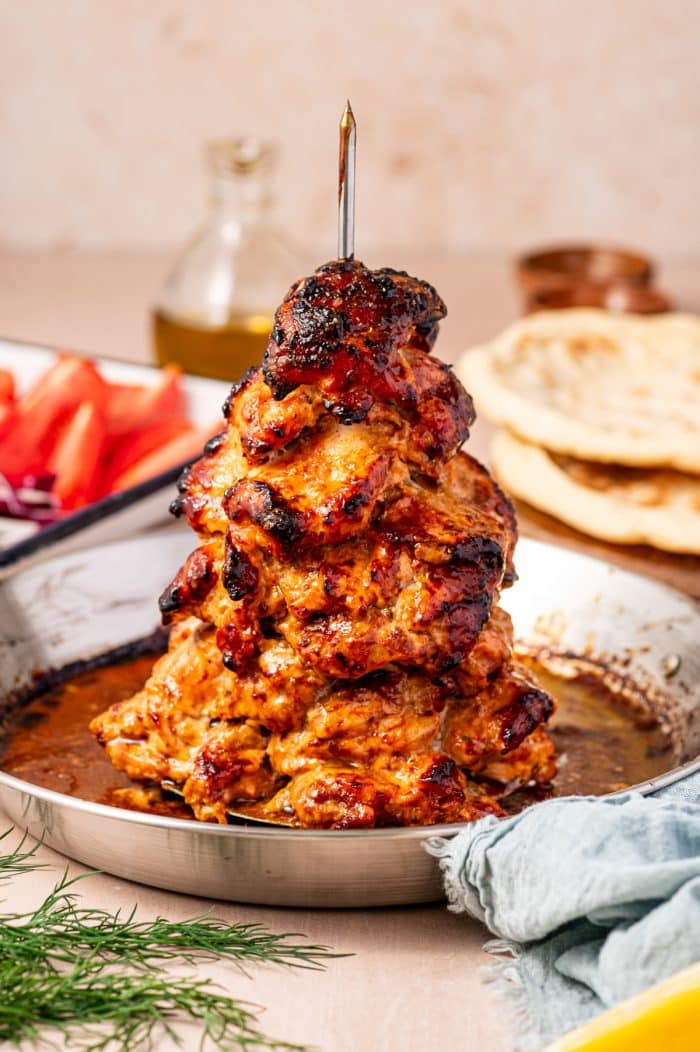
This Chicken Gyro Meat Recipe is made with juicy yogurt-marinated chicken thighs stacked on a vertical spit and roasted until tender, flavorful, and crisp around the edges. Shave the homemade gyro meat into thin slices and serve it in warm pita bread with tzatziki, tomatoes, cucumber, red onion, and feta for restaurant-style Greek chicken gyros at home.
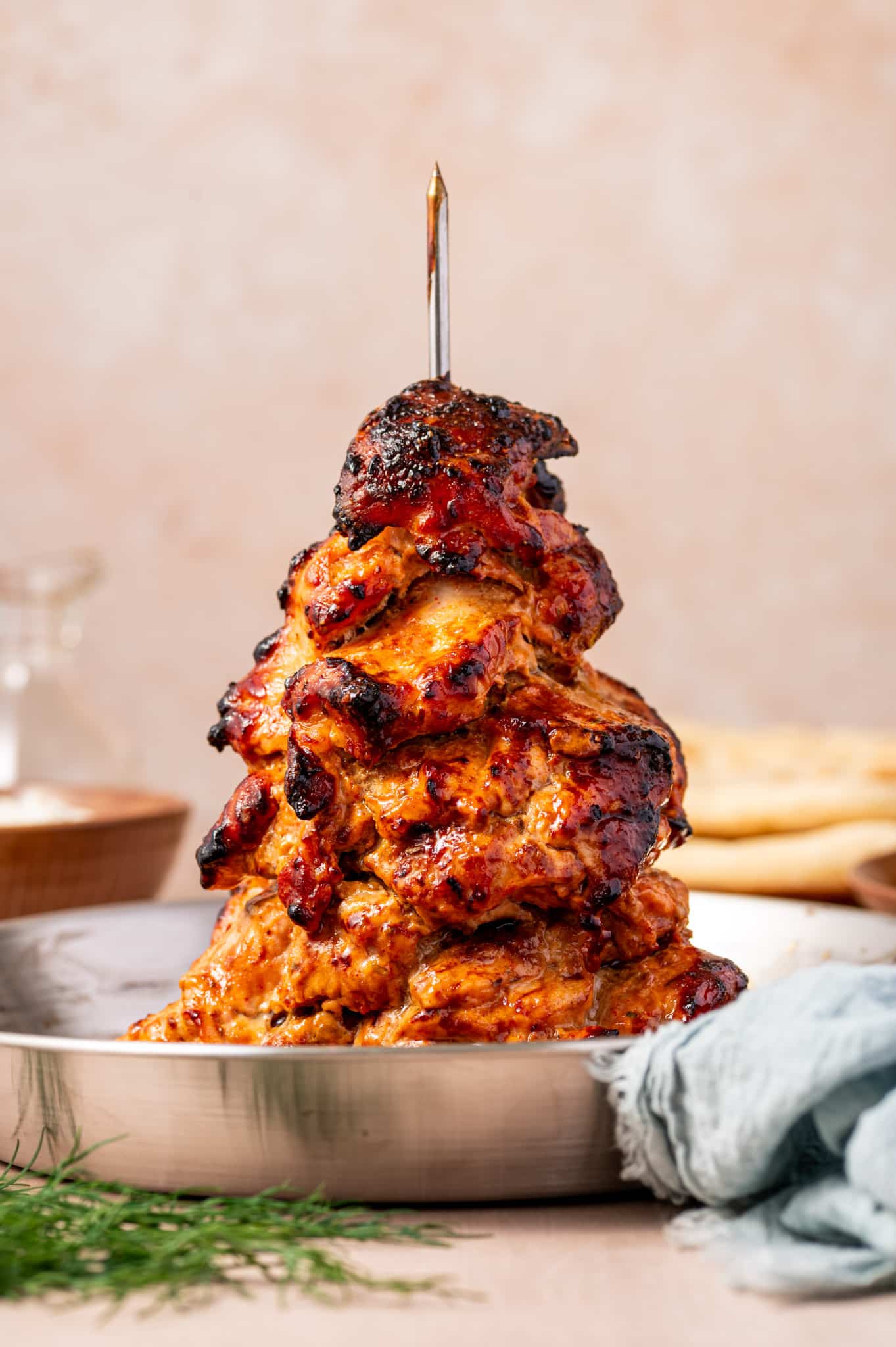
Making homemade chicken gyro meat is easier than you might think, especially with a countertop vertical spit. The chicken thighs are marinated in Greek yogurt, lemon juice, olive oil, garlic, oregano, paprika, and warm spices, then stacked tightly and roasted until the outside is golden and caramelized while the inside stays juicy. Once sliced thin, it’s perfect for chicken gyros, rice bowls, salads, and Mediterranean-style plates.
What is Chicken Gyro Meat?
The word gyro (pronounced yee-roh) comes from the Greek word gýros, meaning “turn” or “revolution,” referring to the way the meat slowly rotates on a vertical spit as it cooks. The meat is stacked, seasoned, roasted, and shaved into thin, juicy slices, like what you often see rotating on a vertical spit at Greek restaurants.
So, is a gyro the meat or the wrap? Technically, gyro refers to the meat. But outside of Greece, people often use “gyro” to describe the whole wrap, including the pita, meat, toppings, and sauce. In Greece, the full wrap is usually called a gyro pita.
Table of Contents
- What is Chicken Gyro Meat?
- Why You’ll Love This Homemade Gyro Meat
- Chicken Gyro Meat Ingredients
- How to Make Chicken Gyro Meat on a Vertical Spit
- Recipe Variations
- How to Serve Chicken Gyro Meat in Pita
- Serving Ideas
- Storage and Reheating Tips
- Frequently Asked Questions
- More Mediterranean-Inspired Recipes
- Chicken Gyro Meat Recipe
Why You’ll Love This Homemade Gyro Meat
- Restaurant-style flavor: The chicken is marinated with Greek yogurt, lemon juice, olive oil, garlic, oregano, paprika, and warm spices for bold, savory flavor.
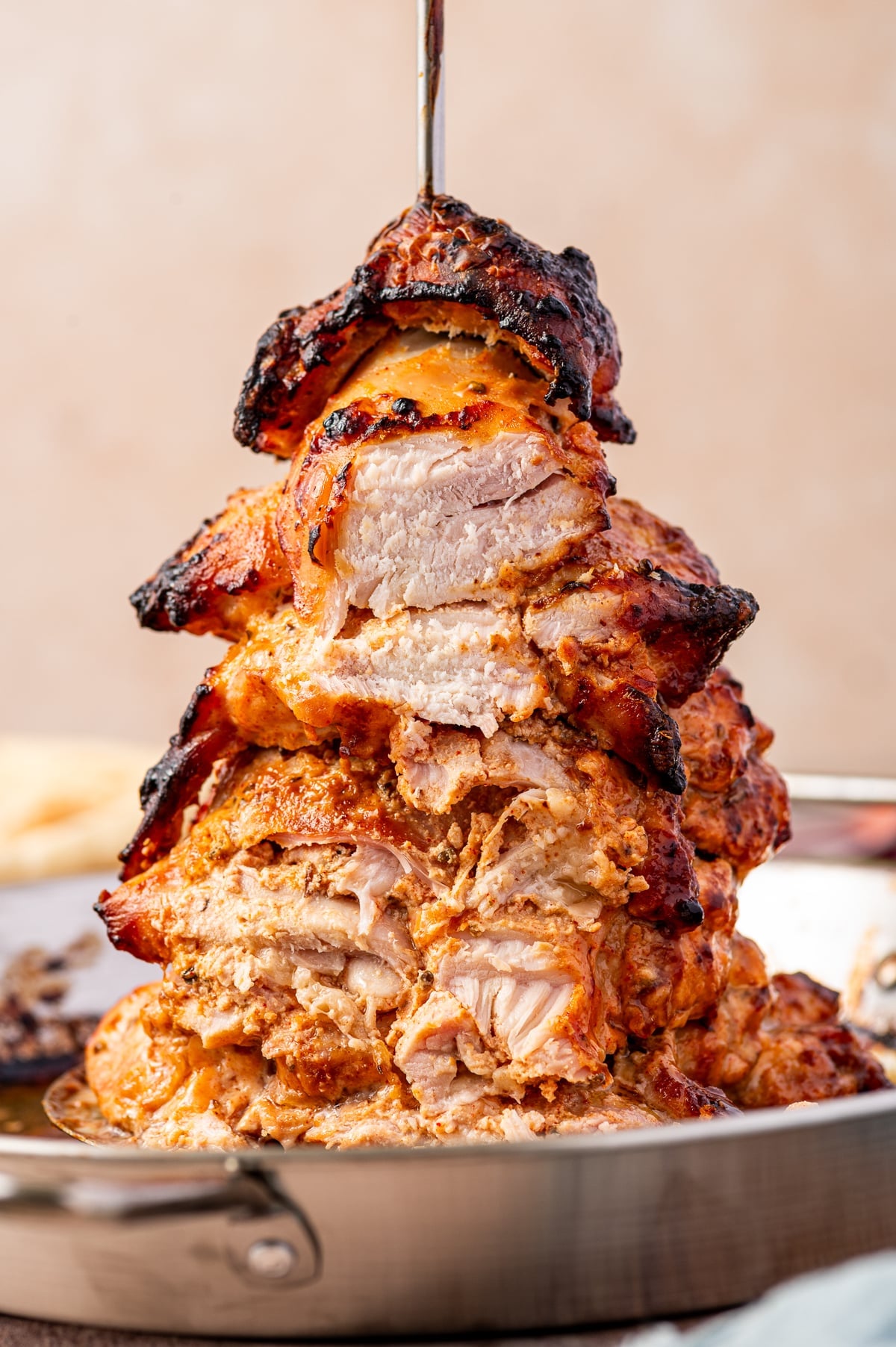
- Juicy with crispy edges: Stacking the chicken on a vertical spit helps the meat stay tender inside while the outside becomes golden, caramelized, and crisp around the edges.
- Perfect for homemade chicken gyros: Shave the chicken into thin slices and tuck it into warm pita bread with tzatziki, tomatoes, cucumber, red onion, and feta.
- Great for meal prep: Use leftovers in rice bowls, salads, wraps, or Mediterranean-style plates throughout the week.
Chicken Gyro Meat Ingredients
This homemade chicken gyro meat is made with boneless, skinless chicken thighs marinated in a flavorful mixture of Greek yogurt, lemon juice, olive oil, garlic, and warm Mediterranean spices.
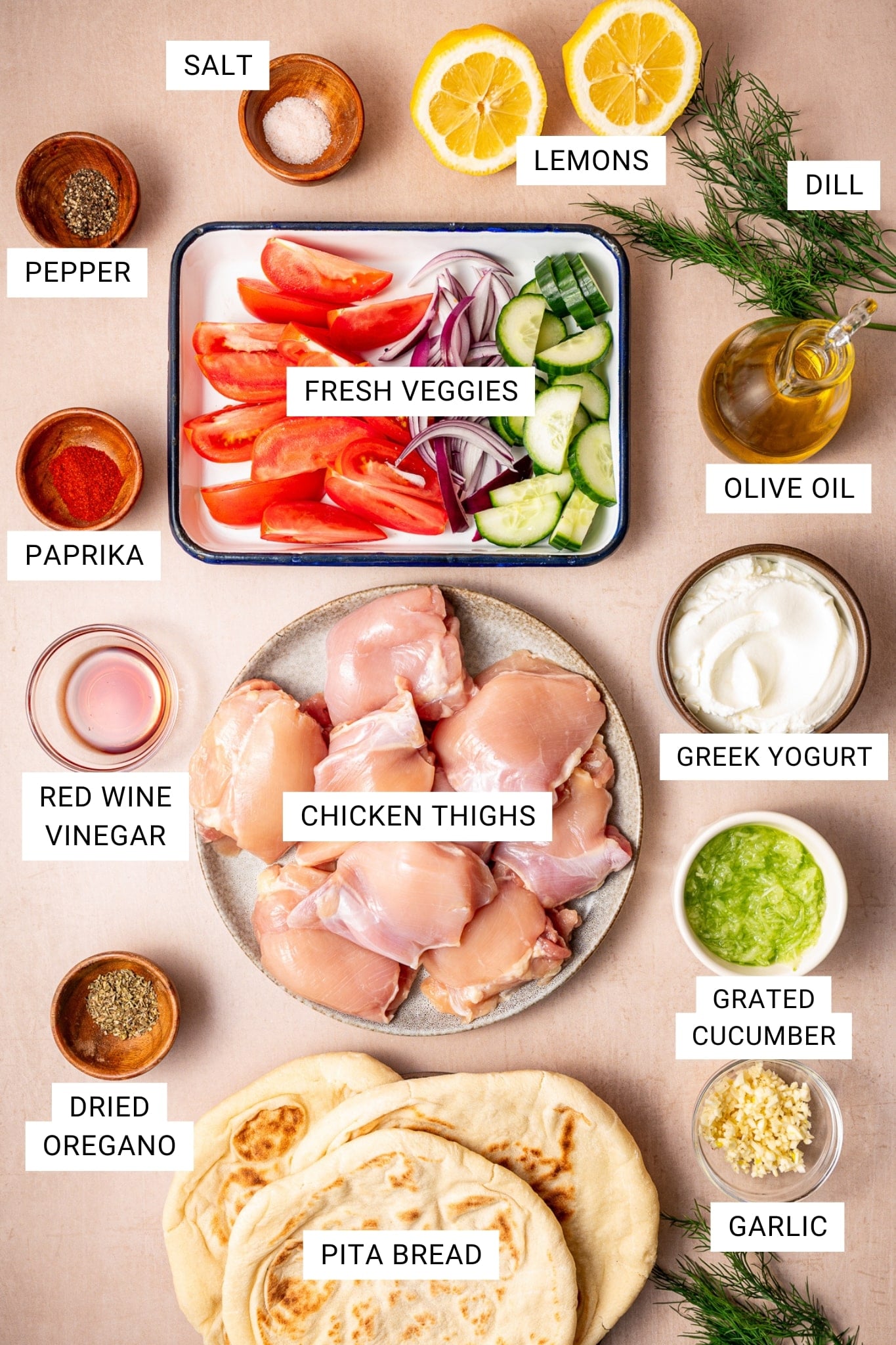
- Chicken thighs: Boneless, skinless chicken thighs work best because they stay juicy and tender as they roast. Chicken breasts may also be used, but they are leaner and can dry out more easily.
- Greek yogurt: Helps tenderize the chicken and gives the marinade a creamy, tangy base.
- Olive oil: Adds richness and helps the chicken brown as it cooks.
- Lemon juice: Brightens the marinade and helps balance the richness of the chicken.
- Garlic: Adds bold, savory flavor.
- Dried oregano: A classic Mediterranean herb that gives the chicken its signature Greek-inspired flavor.
- Paprika: Add warmth, color, and and subtle smoky flavor.
- Salt and black pepper: Essential for seasoning the chicken throughout.
How to Make Chicken Gyro Meat on a Vertical Spit
The key to making restaurant-style chicken gyro meat at home is to use a vertical spit in the oven. A spit is a long rod or metal skewer used to hold meat. It may sound complicated, but it is similar to stacking chicken on skewers for the grill. The main difference is that the chicken cooks upright, which helps create those classic gyro-style edges.
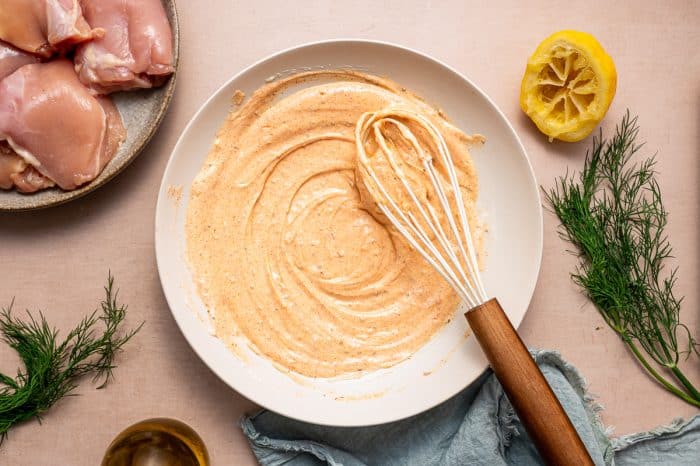

- Make the marinade: In a large bowl, whisk together the Greek yogurt, olive oil, lemon juice, garlic, oregano, paprika, cumin, coriander, salt, and black pepper until smooth and well combined.
- Marinate the chicken: Add the chicken thighs to the bowl and toss until each piece is fully coated in the marinade. Cover and refrigerate for at least 2 hours, or overnight for the best flavor.
- Stack the chicken: Remove the chicken from the marinade and stack the thighs tightly onto the vertical spit, pressing each piece down as you go. Try to keep the stack even so the chicken cooks evenly.
- Roast: Transfer the vertical spit to the oven and roast until the chicken is golden on the outside and cooked through in the center. Rotate the spit or pan as needed if one side is browning faster than the other.
- Rest and slice: Let the chicken rest for 5-10 minutes, then carefully shave or slice it into thin pieces using a sharp knife.
- Serve: Serve the homemade chicken gyro meat in warm pita bread with tzatziki, tomatoes, cucumber, red onion, lettuce, and feta, or use it in rice bowls, salads, and Mediterranean-style plates.

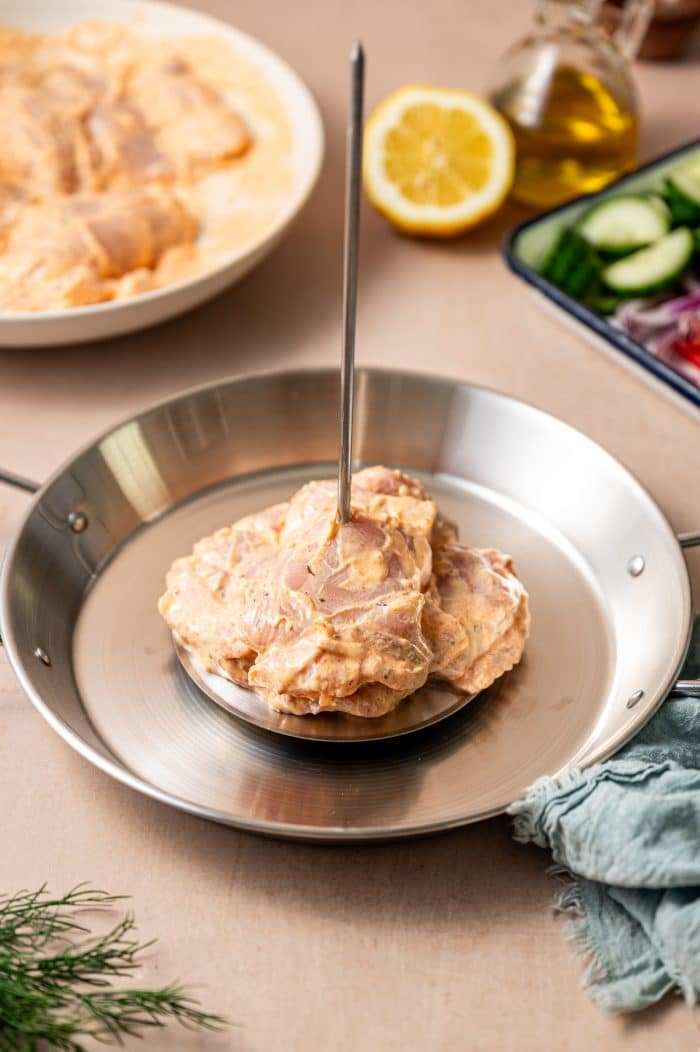
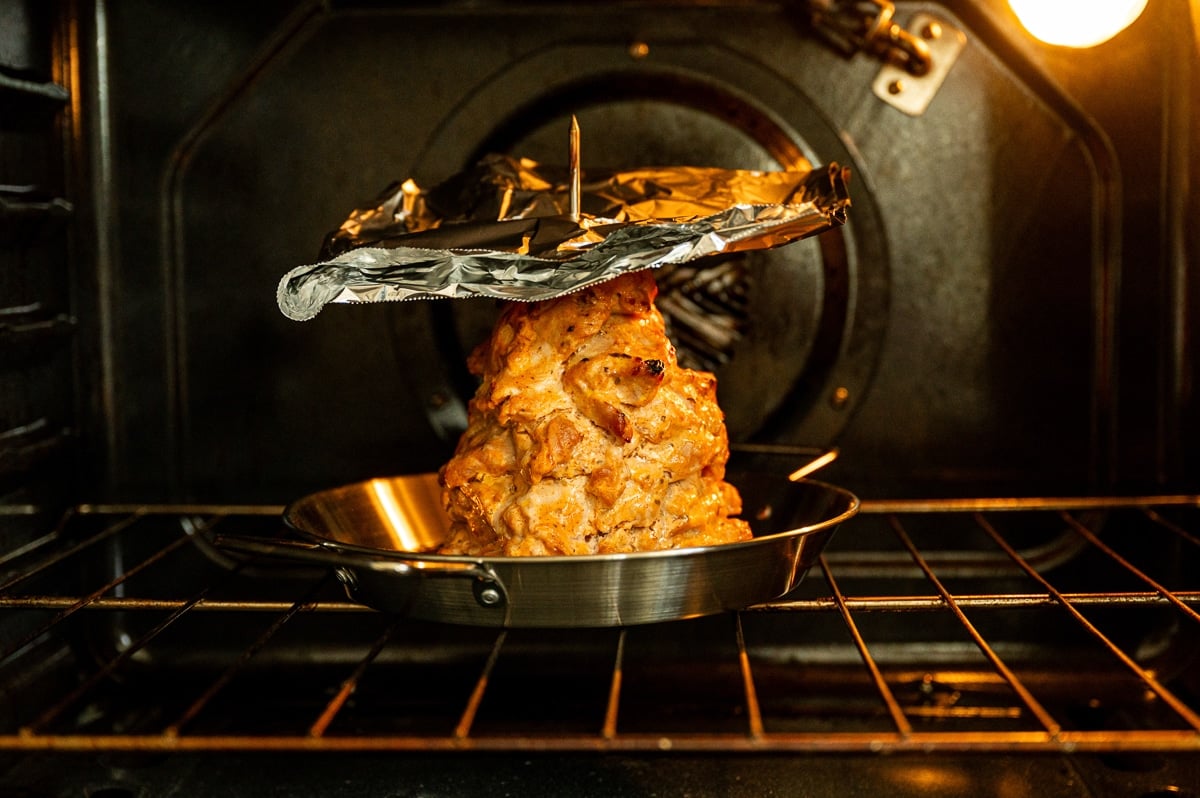
No Vertical Spit?
You can make a simple DIY version using long skewers. Stack the marinated chicken thighs tightly onto several long metal skewers or soaked wooden skewers. Stand the skewers upright by anchoring them securely in a small, heavy baking dish, loaf pan, or into a halved onion or potato at the base to help keep them stable.
Bake at 375°F, rotating the pan occasionally, until the chicken cooks evenly on all sides and reaches an internal temperature of 165°F. Let the chicken rest for 5-10 minutes, then slice or shave it into thin pieces.
Recipe Variations
There are several easy ways to customize this chicken gyro meat recipe depending on the cut of chicken you have and how you want to cook it.
- Use chicken breasts: Boneless, skinless chicken breasts may be used for a leaner version, but they dry out faster than thighs, so be careful not to overcook them.
- Grilled chicken gyro meat: Grill the marinated chicken thighs or breasts over medium-high heat for a smoky, lightly charred finish. Rest the chicken before slicing it thin.
- Pan-seared chicken gyro meat: Cook the marinated chicken in a hot skillet until golden on the outside and cooked through. This is a great option for quick weeknight chicken gyros.
How to Serve Chicken Gyro Meat in Pita
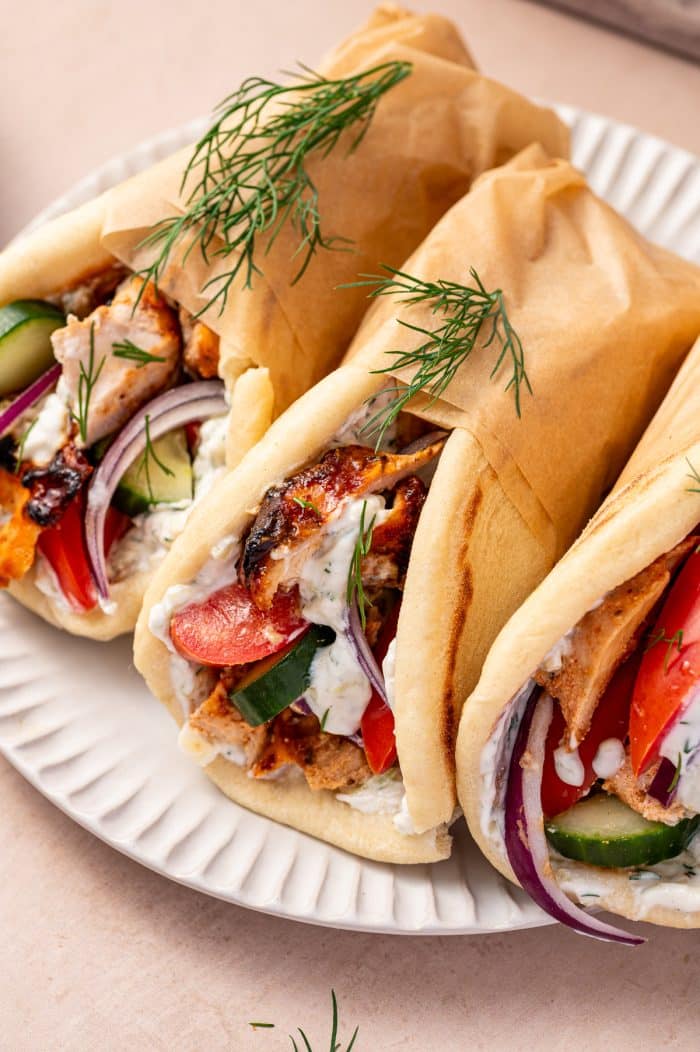
Chicken gyro meat is most often served in warm Greek-style pita bread with tzatziki, sliced tomatoes, thinly sliced red onion, and cucumber. Many versions also include crumbled feta cheese, fresh dill, and, in Greece, a few crispy French fries tucked right inside the pita. Greek-style pita bread is soft, thick, and pocketless – perfect for wrapping up all the delicious toppings. For the best flavor and texture, warm the pita before serving.
To warm pita bread, brush each piece lightly with olive oil and heat it in a dry skillet or griddle over medium heat for 30-45 seconds per side, until soft and lightly toasted. You can also wrap a stack of pitas in foil and warm them in a 350°F oven for 8-10 minutes, or microwave them with a damp paper towel for 20-30 seconds.
Want to take your gyros to the next level? Try making homemade pita bread. It makes a huge difference in taste and texture.
Serving Ideas
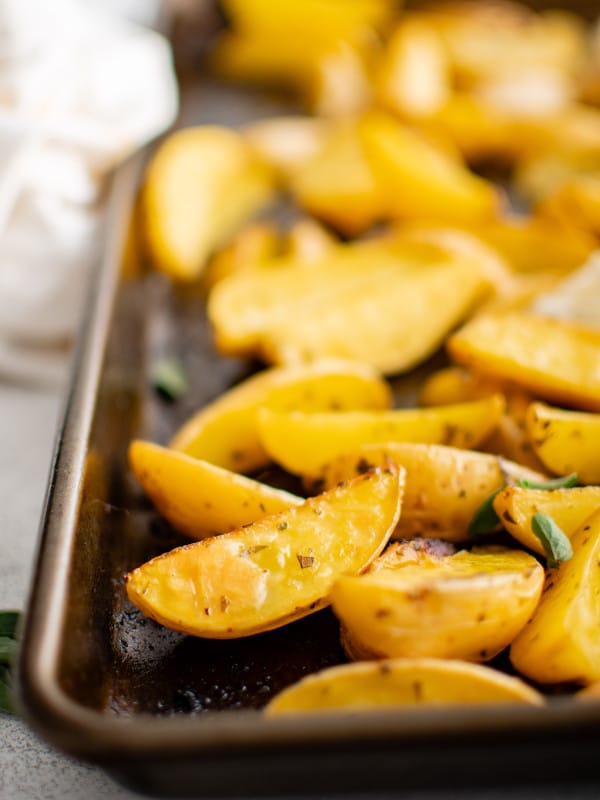
Chicken gyro meat is delicious in warm pita bread, rice bowls, salads, or Mediterranean-style plates. Classic sides and additions include tzatziki sauce, Greek salad, Greek lemon rice, or roasted Greek lemon potatoes.
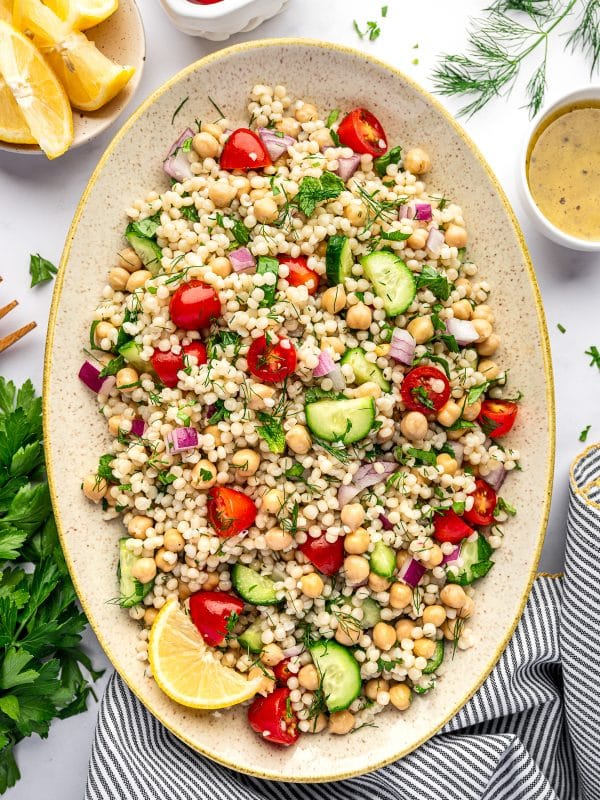
For dips and spreads, pair it with hummus, baba ganoush, creamy whipped feta dip, or tirokafteri, a Greek spicy feta dip. You can also add a fresh side like Israeli salad, Mediterranean orzo salad, or Mediterranean chickpea salad to balance the savory, spiced chicken.

Storage and Reheating Tips
- To store: Let the chicken gyro meat cool completely, then slice or shave it into thin pieces. Transfer it to an airtight container and refrigerate for up to 4 days.
- To freeze: Place cooled chicken gyro meat in a freezer-safe bag or container and freeze for up to 3 months. Thaw overnight in the refrigerator before reheating.
- To reheat: Warm the chicken in a skillet over medium heat with a splash of water or a spoonful of pan juices until heated through. For crispier edges, reheat it in a lightly oiled skillet, air fryer, or oven until warm and lightly browned.
- Meal prep tip: Store the chicken gyro meat separately from the pita, tzatziki, and fresh vegetables so everything stays fresh and the pita does not get soggy.
Frequently Asked Questions
Greek gyros and American-style gyros are similar because both are made with seasoned meat cooked on a vertical rotisserie and served in pita bread. In Greece, gyros are traditionally made with pork or chicken and served in soft, pocketless pita with tzatziki, tomato, onion, and sometimes fries. American-style gyros are often made with a ground lamb and beef blend that is formed into a cone, cooked, and shaved into thin slices.
Gyro meat is made with thinly sliced or shaved seasoned meat that is stacked on a vertical rotisserie, roasted, and sliced into crispy, juicy pieces. Chicken souvlaki is made with small cubes of marinated chicken threaded onto skewers and grilled.
Gyros and doner kebab are both made with meat cooked on a vertical rotisserie, but they differ in seasoning, origin, and toppings. Gyros are Greek and are usually seasoned with lemon, garlic, oregano, and other Mediterranean herbs. Doner kebab is Turkish and is often made with lamb, beef, or chicken seasoned with spices like cumin and sumac, then served with garlic sauce, tahini, or yogurt-based sauces.
Gyro meat and shawarma are both cooked on a vertical spit and sliced thin, but they have different seasonings and origins. Gyro meat is Greek and usually flavored with garlic, oregano, lemon, and Mediterranean herbs. Shawarma is Middle Eastern and often uses warmer spices like cinnamon, allspice, turmeric, cumin, and cloves. Gyros are usually served with tzatziki, tomato, and onion, while shawarma is often served with pickled vegetables, tahini, or garlic sauce.
More Mediterranean-Inspired Recipes


If you try making this homemade chicken gyro meat recipe, I’d love to hear what you think! Please leave a comment and a star rating below, your feedback helps other readers discover (and enjoy) this recipe too. Thank you so much! 💛
Chicken Gyro Meat Recipe

Ingredients
For the Chicken Gyro Meat
- 1 cup plain Greek yogurt
- 2 tablespoons olive oil
- 2 tablespoons fresh lemon juice
- 2 cloves garlic, minced
- 1½ teaspoons dried oregano
- 1½ teaspoons paprika
- 1 teaspoon salt
- 2½ pounds boneless, skinless chicken thighs
For Serving
- 4 homemade pita breads, or flatbreads, slightly warmed
- 2 ripe tomatoes, sliced or quartered
- ½ English cucumber, thinly sliced
- ¼ red onion, thinly sliced
- crumbled feta cheese, optional
- homemade tzatziki sauce
Instructions
- Make the chicken gyro marinade: In a large bowl, stir together 1 cup Greek yogurt, 2 tablespoons olive oil, 2 tablespoons lemon juice, 2 minced garlic cloves, 1½ teaspoons dried oregano, 1½ teaspoons paprika, and 1 teaspoon salt until smooth and well combined.
- Prepare the chicken: Pat 2½ pounds of boneless, skinless chicken thighs dry with paper towels. Trim any large pieces of excess fat. If some pieces are much thicker than others, lightly pound them so they are more even in thickness.
- Marinate the chicken: Add the chicken thighs to the marinade, turning to coat each piece thoroughly. Cover the bowl tightly with plastic wrap or transfer the chicken and marinade to a large zip-top bag. Refrigerate for at least 4 hours, or overnight for the best flavor and tenderness.
- Preheat the oven. Preheat the oven to 375°F. Set the vertical spit inside a roasting pan or on a sturdy baking sheet to catch the juices as the chicken cooks.
- Stack the chicken. Thread the marinated chicken thighs onto the vertical spit one at a time, pressing each piece down firmly to create a tight, even stack. Rotate the direction of the chicken pieces as you stack them to help build a stable column.
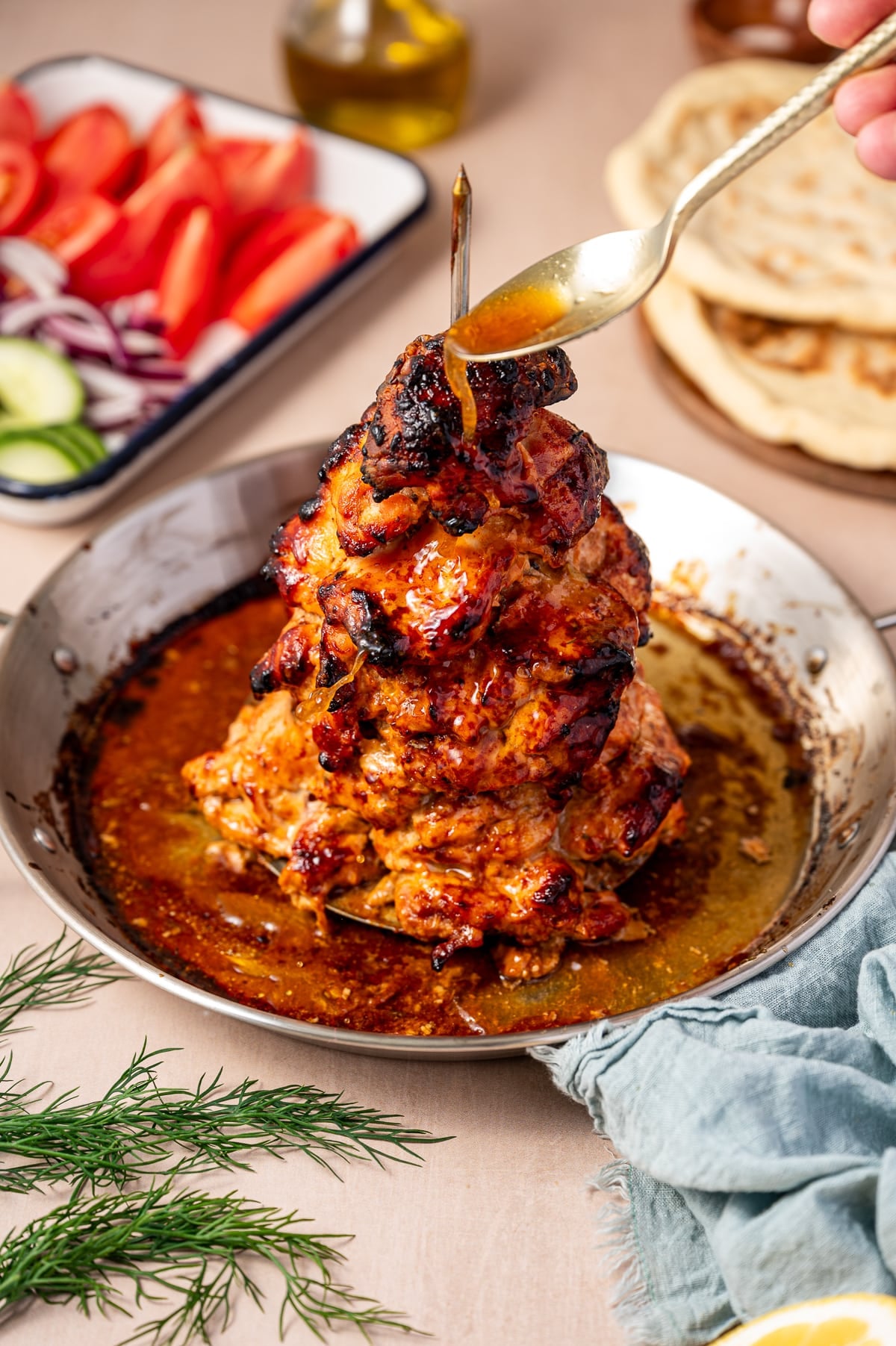
- Roast the chicken gyro meat. Place the vertical spit on the lower rack of the oven. Roast for 1 to 1½ hours, or until the chicken is golden, lightly charred around the edges, and reaches an internal temperature of 165°F at the thickest part as measured by a digital meat thermometer. Tent the top loosely with foil if it browns too quickly. Baste once or twice with pan juices as it cooks.
- Rest and slice. Remove the chicken from the oven and let it rest for 5-10 minutes. Use a sharp knife to shave or slice the chicken into thin pieces, starting with the crisp outer edges.
- Warm the pita bread (optional). Brush the pita bread lightly with olive oil, then warm it in a dry skillet or griddle over medium heat for 30-45 seconds per side, until soft and lightly toasted.
- Assemble and serve. Fill each warm pita with sliced chicken gyro meat, tzatziki sauce, tomatoes, cucumber, red onion, and feta cheese, if using. Serve immediately.
Notes
- Chicken thighs work best: Boneless, skinless chicken thighs stay juicier than chicken breasts and are more forgiving during the longer roasting time.
- Chicken breast option: Boneless, skinless chicken breasts may be used, but they are leaner and can dry out faster. Pound them to an even thickness and avoid overcooking.
- Marinate long enough: For the best flavor and texture, marinate the chicken for at least 4 hours. Overnight is even better.
- Use a thermometer: The chicken is fully cooked when it reaches 165°F at the thickest part. A digital meat thermometer is the easiest way to check.
- No vertical spit? Stack the marinated chicken thighs tightly onto several long metal skewers or soaked wooden skewers. Anchor them upright in a small, heavy baking dish, loaf pan, or into a halved onion or potato at the base. Bake at 375°F, rotating the pan occasionally, until fully cooked.
- Pita tip: Greek-style pita is soft, thick, and pocketless, making it ideal for wrapping around juicy chicken, tzatziki, and fresh toppings.
- To store: Refrigerate leftover chicken gyro meat in an airtight container for up to 4 days.
- To freeze: Freeze cooled chicken gyro meat in a freezer-safe bag or container for up to 3 months. Thaw overnight in the refrigerator before reheating.
- To reheat: Warm the chicken in a skillet over medium heat with a splash of water or pan juices. For crispier edges, reheat in a lightly oiled skillet, air fryer, or oven until warmed through.
- Nutrition note: Nutrition is calculated for the chicken gyro meat only and does not include pita bread, tzatziki, feta, or toppings.
Explore More with AI
Nutrition
Nutrition information is automatically calculated, so should only be used as an approximation.
















I did not like this at all. The chicken was mushy and had no “gyro” flavor whatsoever. Key spices for gyros are marjoram and rosemary, if not thyme and cumin as well. Also, the discussion says “gyros are typically made with pork. This is untrue. They are typically made with lamb or a combination of lamb and beef.
Clark, thank you for taking the time to share this feedback. I am sorry this one was not a hit for you.
For the “what meat is a gyro” question, you are right that American-style gyro meat is often a lamb and beef blend, and I actually mention that in the post when I compare Greek vs. American-style gyros. In Greece, which I have been too, gyros are traditionally pork (with chicken also very common), which is why that note is included as well.
As for the flavor and texture, the marinade here is a classic yogurt + lemon + garlic + oregano base, and it is meant to tenderize without making the chicken mushy, but if the chicken sat too long or was overcooked, it can definitely soften more than intended. For best results, I recommend marinating at least 4 hours and up to 24 hours, then roasting just until it hits temp.
And thank you for the spice notes too. Marjoram, rosemary, or thyme can be delicious additions if that is the gyro flavor profile you prefer.